
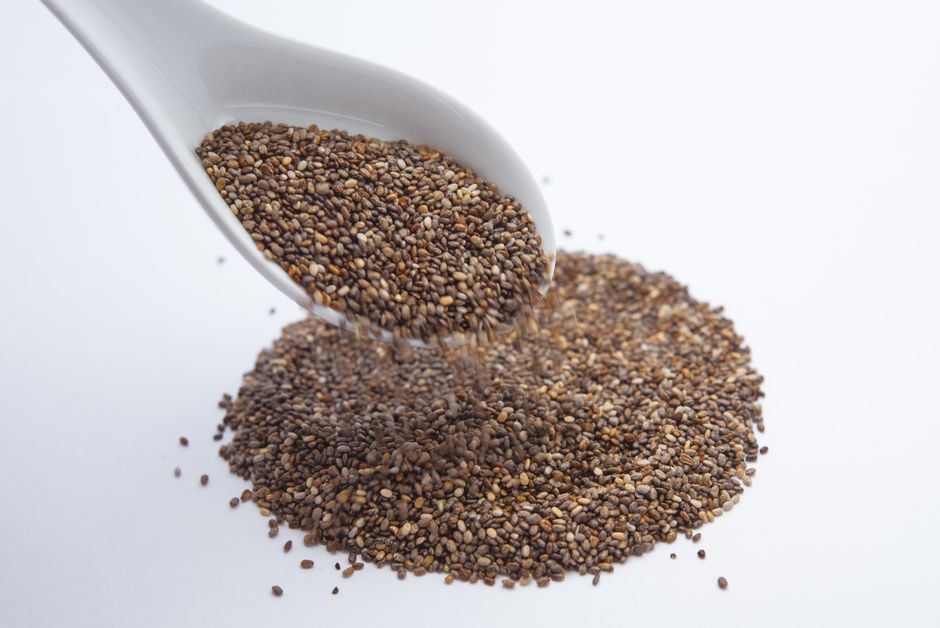
Chia seeds can support weight loss, but they do not cause it. They add fiber, protein, and healthy fat to your diet, which can help you feel full and eat less at your next meal. That effect is real but modest. No food burns fat, and chia seeds are no exception.
The bigger picture matters more than any single ingredient. If you add chia seeds on top of your current diet without changing anything else, you will likely gain weight, not lose it. The calories still count. The value of chia comes from what it replaces and how it changes your appetite, not from any special fat-melting property.
What Happens in Your Body When You Eat Chia Seeds
Chia seeds absorb water and form a gel. This is not a marketing story — it is basic chemistry. The soluble fiber in chia, mostly mucilage, can soak up many times its weight in liquid. That gel takes up space in your stomach and slows the pace at which food empties into your small intestine.
A fuller stomach and slower digestion both tend to reduce appetite. This is one of the more reliable ways any food can help with weight management. It is also why chia works better when eaten with plenty of water. Dry chia swallowed without liquid can clump and is a genuine choking risk, especially for people with swallowing problems.
The fiber also feeds gut bacteria in the colon. Some research suggests this can influence appetite signaling and blood sugar, though the human evidence for weight loss specifically is not strong. Most of what we know about chia and appetite comes from small, short studies. The effects are consistent in direction but small in size.
How Many Calories and Nutrients Are in Chia Seeds?
Chia is calorie-dense. That surprises people who think of it as a light food. A single ounce — about two tablespoons — delivers roughly 138 calories. It also brings about 5 grams of protein, 10 grams of fiber, and 9 grams of fat, most of it the polyunsaturated kind.
| Nutrient (per 1 oz / 28 g) | Amount |
|---|---|
| Calories | ~138 |
| Protein | ~5 g |
| Total fat | ~9 g |
| Carbohydrate | ~12 g |
| Fiber | ~10 g |
| Calcium | ~179 mg |
| Iron | ~2.2 mg |
| Magnesium | ~95 mg |
Those fiber and protein numbers are the reason chia can help with appetite. Ten grams of fiber from one small serving is a lot. Most Americans fall well short of the recommended daily fiber intake, so adding chia can close a real gap.
But notice the calorie figure. Two tablespoons is not a trivial addition. If you stir them into a smoothie that already has fruit, yogurt, and honey, you have built a high-calorie drink. That is fine as a meal. It is a problem as a snack on top of three normal meals.
Does Chia Seeds Help You Lose Weight on Their Own?
No. There is no credible evidence that chia seeds cause weight loss by themselves. The idea that they do comes from their fiber and omega-3 content being stretched into a claim the research does not support.
Some small trials have looked at chia and body weight. Results have been mixed. A few found slight reductions in appetite or waist circumference. Others found no meaningful difference compared with a control. None of these studies were large or long enough to settle the question.
The honest summary: chia may help a little, mostly by making you feel full, and only within a diet that already controls calories. Anyone promising that chia “melts belly fat” or “boosts metabolism” is selling something the evidence does not back.


Why Fiber and Protein Matter More Than the Seed Itself
The weight-loss benefit of chia, to the extent it exists, comes from two things almost any high-fiber, high-protein food would also provide. That is worth understanding, because it means you do not need chia specifically.
Fiber slows digestion and adds bulk without adding many calories relative to its volume. Protein takes longer to digest and has a stronger effect on satiety than fat or carbohydrate. Both help you eat less without consciously restricting.
- Beans and lentils: high in both fiber and protein, far cheaper than chia
- Oats: soluble fiber that forms a similar gel
- Ground flaxseed: comparable fiber and omega-3 content
- Greek yogurt and eggs: protein-forward options for fullness
- Vegetables and fruit: fiber with more water and fewer calories per bite
Chia is convenient and shelf-stable. Those are real advantages. They are not the same as being uniquely effective. If you like chia and it fits your routine, use it. If you do not, you are not missing a secret.
How to Use Chia Without Adding Too Many Calories
The way you use chia decides whether it helps or hurts. The seed itself is neutral. The context around it is everything.
Add one to two tablespoons to a meal you were already going to eat, not on top of it. Stir it into plain yogurt, overnight oats made with water or unsweetened milk, or a salad dressing. Let it sit for at least ten to fifteen minutes so it hydrates fully before you eat it.
Watch the add-ons. Chia pudding recipes often call for honey, maple syrup, coconut milk, and fruit. Those can push a single bowl past 400 calories. That is fine as a full meal. It is not fine as a between-meals snack if your goal is a calorie deficit.
Drink water with it. The fiber needs fluid to do its job, and eating a lot of dry fiber without enough liquid can cause bloating or constipation. If you are not used to high-fiber foods, start with a small amount and increase over a week or two.
Who Should Be Careful With Chia Seeds
Chia is generally well tolerated, but a few groups should take care. People with swallowing disorders should avoid dry chia, because it can expand in the throat. Anyone with a history of digestive narrowing should talk to a clinician first.
Chia is high in fiber, which can cause gas, bloating, and cramping if you add too much too fast. It also contains omega-3 fats that can, in very large amounts, interact with blood-thinning medications. The amounts in normal food use are unlikely to matter, but if you are on warfarin or a similar drug, mention chia to your doctor.
If you have a seed or mustard allergy, note that chia is in a different plant family, but reactions have been reported. Stop and seek advice if you notice any reaction.
Chia is not appropriate as a sole food or a meal replacement. It does not provide complete nutrition on its own, and no clinical guidelines support using it that way.
The Bottom Line on Chia and Weight
Chia seeds are a nutritious, fiber-rich food that can modestly help with appetite control when they replace something less filling. They do not burn fat, boost metabolism, or cause weight loss on their own. Any benefit depends on your total diet and whether you are in a calorie deficit.
If you enjoy them, use one to two tablespoons as part of a balanced meal. If you are looking for a single food to solve weight loss, chia is not it — and neither is anything else. Weight loss comes from sustained eating patterns, not from one ingredient.
Frequently Asked Questions
Do chia seeds actually help you lose weight?
They can help a little by increasing fullness, but they do not cause weight loss on their own. Any benefit depends on your overall calorie intake and diet quality.
How much chia should I eat a day for weight loss?
There is no established clinical dose for weight loss. A common food serving is about one to two tablespoons per day, and it should be eaten hydrated with plenty of water.
Can chia seeds make you gain weight?
Yes, if you add them on top of your normal diet without cutting calories elsewhere. One ounce provides about 138 calories, so portions matter.
Are chia seeds better than flaxseed for weight loss?
Neither has strong evidence for weight loss specifically. Both are high in fiber and omega-3 fats, and either can support fullness as part of a balanced diet.
