
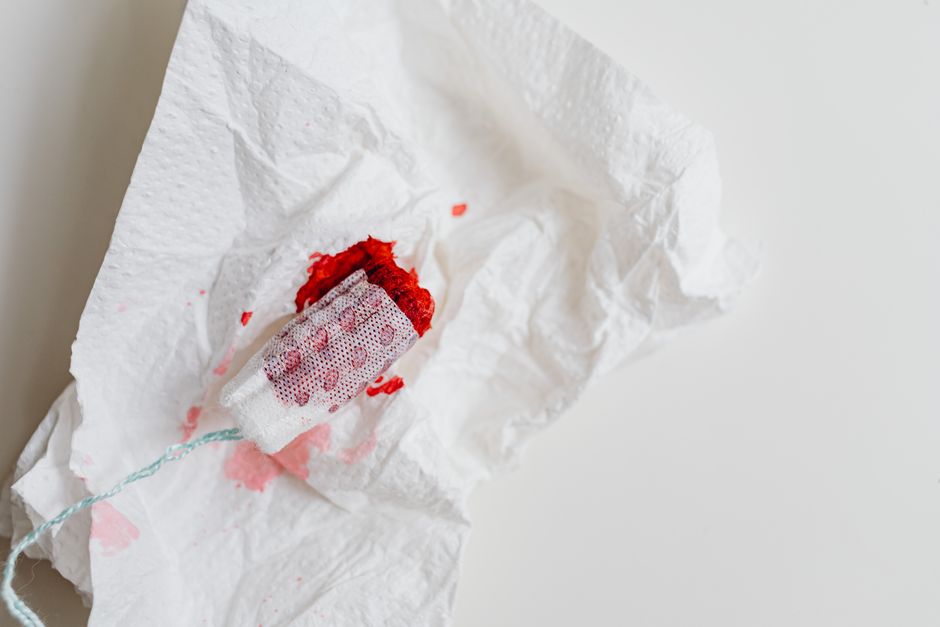
Bacterial vaginosis (BV) does not usually cause bleeding. BV is a change in the normal balance of vaginal bacteria, and its hallmark symptom is a thin, gray or white discharge with a fishy odor — not blood. That said, some people with BV do notice light spotting or blood-tinged discharge, and there are real reasons this can happen. The bleeding is almost always explained by something else going on at the same time, not by BV itself.
Understanding why is more useful than memorizing a yes or no. It helps you know when spotting is minor and when it needs a clinician’s eyes.
What Does BV Normally Look Like?
BV is the most common vaginal infection in women of reproductive age in the United States, according to the Centers for Disease Control and Prevention. It happens when the usual mix of vaginal bacteria shifts. The protective bacteria that keep the environment acidic — mainly Lactobacillus species — thin out, and other bacteria grow in larger numbers.
The classic symptoms are:
- Thin, gray, white, or greenish discharge
- A fishy odor, often stronger after sex
- A watery consistency to the discharge
- Sometimes burning with urination
Notice what is missing from that list: bleeding and itching. Itching is more typical of a yeast infection. Blood is not a standard feature of BV. Many people with BV have no symptoms at all.
One point that surprises people: BV is not considered a sexually transmitted infection in the classic sense, but sexual activity is strongly linked to it. The CDC notes it is more common in people who are sexually active, and it can occur in people who are not. This distinction matters because it affects how BV is talked about and treated.
Does BV Cause Bleeding?
BV on its own does not typically cause bleeding. The infection lives in the vaginal lining and does not usually break blood vessels or injure tissue in a way that produces blood.
But “usually” is doing real work in that sentence. Some people do report spotting or pink-tinged discharge with BV. When that happens, the more likely explanation is one of the following:
- Irritated tissue. The inflammation from BV can make the vaginal lining more fragile, so minor friction — from sex, a speculum exam, or a tampon — can cause light spotting.
- A co-occurring infection. BV often appears alongside other infections that do cause bleeding, such as trichomoniasis or certain sexually transmitted infections.
- Cervical changes. Conditions like cervicitis (inflammation of the cervix) can cause spotting and can occur at the same time as BV.
- Hormonal shifts or other causes. Spotting between periods has many unrelated triggers, from ovulation to hormonal birth control to stress.
The key idea: BV may be present when bleeding happens, but that does not mean BV caused the bleeding. Two things occurring together is not the same as one causing the other. This is a common source of confusion, and it is why a clinician will often look for more than one issue at once.
When Is Bleeding After Sex a Sign of Something Else?
Bleeding after sex — called postcoital bleeding — is one of the most common reasons people search “does BV cause bleeding.” It deserves a clear answer: BV can make the tissue more sensitive, but bleeding after sex should not be dismissed as “just BV.”
Postcoital bleeding has several possible causes, and some are important to rule out:
- Cervical polyps or other benign growths
- Cervicitis from an infection
- Vaginal dryness or atrophy, especially around and after menopause
- Cervical changes that need evaluation
Any bleeding after sex that is new, repeated, or unexplained warrants a medical visit. This is not about alarming you. Most causes are not serious. But postcoital bleeding is one of the situations where clinicians recommend an exam rather than watchful waiting, because a small number of causes need prompt attention.
The same applies to bleeding between periods that is new for you, bleeding after menopause, or bleeding heavy enough to soak through protection quickly. These are not typical BV symptoms and should be checked.




Can BV Treatment Itself Cause Bleeding?
BV is treated with antibiotics, usually metronidazole or clindamycin, given by mouth or as a vaginal gel or cream. These medications do not typically cause vaginal bleeding as a side effect. Some people notice discharge changes or irritation during treatment, but blood is not a standard expected effect.
One practical note: metronidazole is well known to interact with alcohol. Clinicians generally advise avoiding alcohol during treatment and for a period afterward, and the exact duration should come from your prescriber or the medication label, since guidance can vary by formulation and country. This is a real interaction, not a myth.
If bleeding starts during or shortly after BV treatment, do not assume the medication caused it. Report it to your clinician. It may point to a separate issue that was there all along.
Why BV Still Matters Even Without Bleeding
BV is often mild, and many people treat it as a minor nuisance. That undersells it. The CDC and other clinical bodies note that BV is associated with real health risks, particularly in certain situations.
BV has been linked to:
- Increased susceptibility to some sexually transmitted infections, including HIV
- Pelvic inflammatory disease in some cases
- Complications in pregnancy, including preterm birth
- Increased risk of BV returning after treatment
Recurrence is the part people find most frustrating. BV commonly comes back after treatment, sometimes within months. This is not a sign that treatment failed or that you did something wrong. It reflects how the vaginal bacterial community behaves, and it is an area of active research.
Because BV can raise the risk of other infections, persistent symptoms are worth evaluating rather than self-treating. Over-the-counter products marketed for vaginal odor or “pH balance” have not been shown in large human trials to treat BV, and some can irritate tissue further.
What If You Have BV Symptoms and Bleeding Together?
See a clinician. This is the practical bottom line. BV symptoms plus bleeding is a combination that benefits from an exam and testing, because it usually means there is more than one thing going on.
Testing for BV is straightforward. Clinicians use a few approaches, including a vaginal pH check, a whiff test, and microscopic examination of discharge — often grouped as the Amsel criteria. A pH above 4.5 is one of the signs clinicians look for, alongside the characteristic discharge and odor. None of these tests involve guessing, and a diagnosis can usually be made in a single visit.
Bring up the bleeding specifically. Describe when it happens — after sex, between periods, after menopause — and how much. That detail helps your clinician decide what to check next.
Do not douche or use scented products before an appointment. They can mask symptoms and make diagnosis harder.
Frequently Asked Questions
Can BV cause bleeding between periods?
BV itself does not typically cause bleeding between periods. If you have spotting with BV symptoms, a second cause such as irritation, another infection, or a cervical issue is more likely and should be checked.
Does BV cause bleeding after sex?
BV can make vaginal tissue more sensitive, so light spotting after sex is possible, but bleeding after sex has several other causes that warrant an exam. New or repeated postcoital bleeding should always be evaluated by a clinician.
Can BV make you bleed like a period?
No. Heavy bleeding resembling a period is not a typical BV symptom and points to a different cause. Bleeding that heavy, or any bleeding after menopause, needs prompt medical attention.
How can you tell BV from a yeast infection?
BV usually causes thin, gray discharge with a fishy odor and no itching, while yeast infections typically cause thick white discharge and intense itching. Testing is the reliable way to tell them apart, since symptoms can overlap.
