
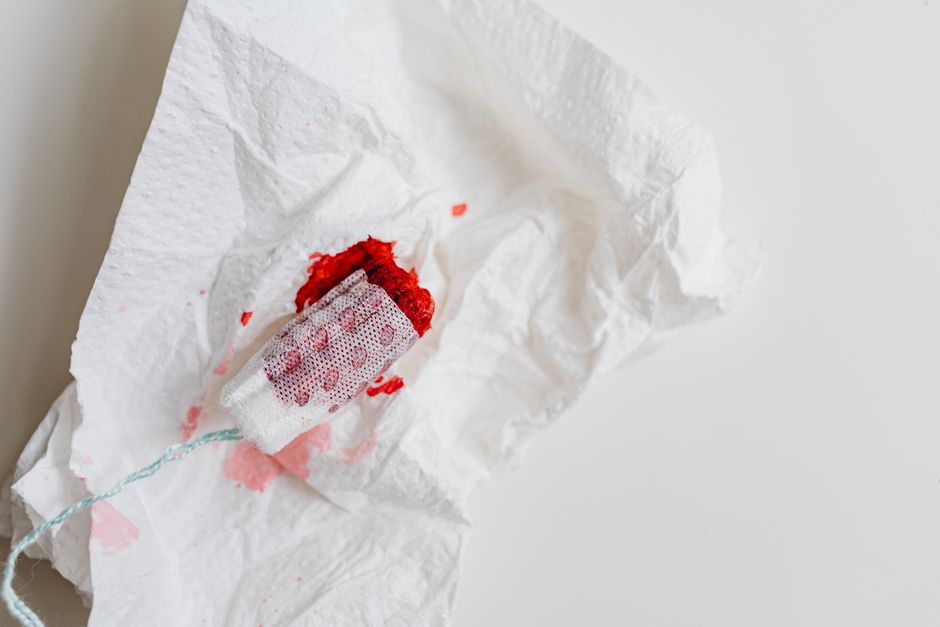
Bleeding from a hemorrhoid is common, and most cases settle with simple home care. The step-by-step approach is: keep stools soft with fiber and fluids, avoid straining and long sitting on the toilet, use warm sitz baths, and treat pain and swelling with over-the-counter options your doctor or pharmacist confirms are right for you. See a doctor promptly if bleeding is heavy, ongoing, or new for you, because rectal bleeding always needs a proper look.
Hemorrhoids are swollen veins in the lower rectum and anus. When they bleed, it usually means the thin tissue covering them has been irritated or a small vessel has opened. That sounds alarming, but it is a mechanical problem more often than a dangerous one. The steps below focus on reducing the pressure that caused it and letting the tissue heal.
What Actually Causes a Hemorrhoid to Bleed?
Bleeding happens when hard stool, straining, or friction damages the surface of the hemorrhoid. The veins inside are close to the surface, so a small tear or irritation can produce bright red blood.
The most common triggers are well established:
- Chronic constipation and hard stools
- Straining or holding your breath during a bowel movement
- Sitting on the toilet for long periods
- Pregnancy and the pressure of childbirth
- Long stretches of sitting, including desk work and driving
- Low fiber intake and not enough fluids
The blood is typically bright red and appears on the toilet paper, on the stool surface, or as a few drops in the bowl. That color matters. Bright red usually points to a source near the anus. Dark or black stool suggests bleeding higher up in the digestive tract and needs medical attention quickly.
One thing people often get wrong: a bleeding hemorrhoid does not mean you have cancer, but it also does not rule it out. The two can look identical from the outside. That is why new rectal bleeding deserves a professional look rather than an assumption.
How To Heal Bleeding Hemorrhoids Step by Step
The core of healing is lowering pressure on the veins and keeping stool soft enough to pass without trauma. These steps work together, not in isolation.
Step 1: Soften Your Stool
Fiber is the foundation. Most adults do not get enough. Aim to increase gradually so your body adjusts without bloating. Good sources include beans, lentils, oats, whole grains, fruits, and vegetables. Drink enough water alongside the fiber, because fiber without fluid can make stool harder, not softer.
If diet alone is not enough, a fiber supplement can help. Your doctor or pharmacist can advise on type and amount. Do not start a large dose suddenly.
Step 2: Stop Straining
Straining is the single most direct way to make a bleeding hemorrhoid worse. Let the bowel movement happen without forcing it. Do not hold your breath and push. If nothing is happening after a few minutes, get up and try later.
Step 3: Change Toilet Habits
Do not sit on the toilet scrolling on your phone. Long sitting increases pressure on the veins. Keep bathroom visits short and focused. Some people find a small footstool helps position the body so stool passes more easily.
Step 4: Use Warm Sitz Baths
Soaking the area in warm water for short periods can ease pain and irritation. A shallow bath or a sitz bath basin works. Keep the water comfortably warm, not hot, and pat the area dry gently afterward. This is a widely used comfort measure.
Step 5: Reduce Pressure on the Area
Avoid prolonged sitting when you can. If your job requires it, take short standing breaks. Loose, breathable clothing and soft, unscented toilet paper reduce irritation. Avoid rubbing the area aggressively.
Step 6: Consider Over-the-Counter Options
Some creams and suppositories provide temporary relief from itching and discomfort. They do not heal the underlying hemorrhoid, and overuse of some products can irritate the skin. Ask a pharmacist which option fits your situation, especially if you have other health conditions or take medications.
Step 7: Know When Home Care Is Not Enough
If bleeding continues despite weeks of consistent home care, or if it is heavy or painful, medical treatment may be needed. Options range from in-office procedures to minor surgery. A doctor can determine which fits.
When Should You See a Doctor About Rectal Bleeding?
New rectal bleeding should always be evaluated by a clinician. That is the safe position, and it holds even when you suspect a hemorrhoid is the cause.
Seek care promptly if you notice:
- Bleeding that is heavy or does not stop
- Dark red or black stool
- Bleeding that continues for more than a few days despite home care
- Significant pain, especially with a hard lump near the anus
- Dizziness, weakness, or fainting
- Unintended weight loss or a change in bowel habits
- A personal or family history of colorectal cancer
Age matters here. Colorectal cancer screening recommendations have evolved, and guidance has shifted in recent years toward starting screening earlier for average-risk adults. Because these recommendations change, check current guidance with your doctor rather than relying on what you remember.
The key point: do not assume bleeding is “just hemorrhoids” without a proper assessment, particularly if it is new, persistent, or you are over 45.



What Home Treatments Actually Help — and What Doesn’t
Some popular remedies have reasonable support for comfort. Others are marketing with little behind them. Here is the honest split.
| Approach | What the evidence shows |
|---|---|
| Increased fiber and fluids | Well supported for softening stool and reducing straining |
| Warm sitz baths | Widely used for comfort; helps ease pain and irritation |
| Over-the-counter creams | Temporary symptom relief; does not heal the hemorrhoid |
| Stool softeners | Can help short term; ask a pharmacist about appropriate use |
| “Miracle” herbal cures sold online | No reliable clinical evidence supports these |
Be cautious with anything marketed as a guaranteed cure. Hemorrhoids are a mechanical and vascular problem, and no topical product reverses them. Products that promise rapid permanent healing without addressing stool and straining habits are not supported by evidence.
One clarification worth knowing: not all itching or discomfort near the anus is a hemorrhoid. Skin conditions, fissures, and infections can produce similar symptoms. If symptoms do not fit the typical pattern, get it checked rather than self-treating indefinitely.
How Long Does It Take to Heal?
Most mild bleeding episodes improve within days to a couple of weeks with consistent home care. Larger or more persistent hemorrhoids can take longer, and some do not fully resolve without medical treatment.
Timelines vary by person and by how much the underlying triggers change. If you keep straining and eating low fiber, symptoms are likely to return. Healing is less about a single remedy and more about sustained habit change.
If you have made real changes for several weeks and bleeding persists, that is your signal to see a doctor. Waiting longer rarely helps and can delay treatment of something else.
How Can You Prevent Bleeding Hemorrhoids From Coming Back?
Prevention comes down to the same forces that caused the problem: stool consistency and pressure on the veins. Get those right and recurrence drops.
- Keep fiber and fluids consistent, not just during a flare
- Avoid straining and long toilet sitting as a habit
- Stay physically active, which supports regular bowel function
- Take standing breaks if you sit for long periods
- Do not ignore the urge to go, since delaying hardens stool
Exercise and movement help bowel regularity, but avoid heavy lifting with breath-holding if you are prone to hemorrhoids, since that raises pressure in the same way straining does.
For people who are pregnant, hemorrhoids are common and often improve after delivery. Any treatment during pregnancy should be confirmed with a clinician, because some over-the-counter products are not recommended during pregnancy. No general dosing guidance applies across pregnancy without individual medical advice.
Frequently Asked Questions
Do bleeding hemorrhoids heal on their own?
Most mild cases improve within days to a couple of weeks with fiber, fluids, and less straining. Larger or persistent ones may need medical treatment.
How much blood from a hemorrhoid is too much?
Any heavy bleeding, bleeding that does not stop, or dark or black stool needs prompt medical care. Light spotting on toilet paper is more typical of a hemorrhoid, but new bleeding should still be checked.
Can I treat a bleeding hemorrhoid at home without seeing a doctor?
Mild, familiar symptoms often respond to home care, but new or persistent rectal bleeding should be evaluated. Do not assume it is a hemorrhoid without a proper assessment.
What is the fastest way to stop a hemorrhoid from bleeding?
There is no instant fix; reducing straining and softening stool are the most direct steps. Warm sitz baths and avoiding long toilet sitting support comfort while the tissue settles.
