
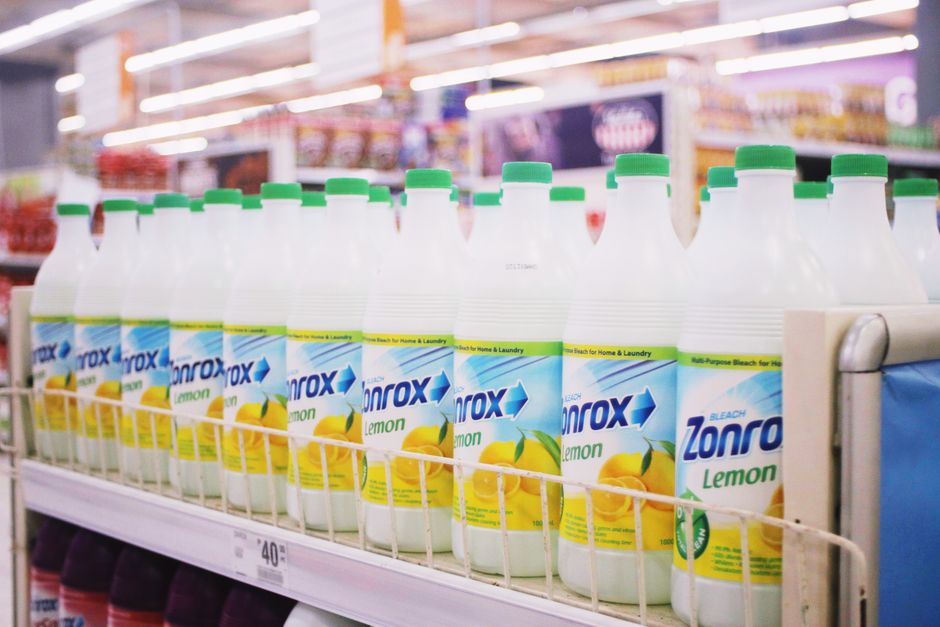
Pouring bleach on a poison ivy rash does not cure it, does not dry it out faster, and does not stop the itch. It is a dangerous myth that can cause chemical burns, permanent scarring, and serious skin damage. The rash comes from an oil called urushiol, and bleach does nothing to remove that oil from your skin once it has bound to it.
If you have a poison ivy rash, the right response is simple: wash the area with plain soap and water, treat the itch with over-the-counter options, and see a doctor if the rash is severe or covers a large area. Bleach belongs nowhere in that plan.
Does Bleach Help Poison Ivy Why Its A Dangerous Myth?
Bleach cannot help a poison ivy rash because the rash is an immune reaction, not an infection. There is nothing on your skin for bleach to kill.
Poison ivy, poison oak, and poison sumac contain urushiol, an oily compound that binds to proteins in your skin. Your immune system recognizes the urushiol-protein combination as foreign and launches an attack. That attack is what you see as redness, swelling, and blisters. It usually appears 12 to 72 hours after contact, though it can take up to a week or more in people who have never been exposed before.
Bleach is a strong alkaline chemical. Its main active ingredient, sodium hypochlorite, is corrosive at the concentrations sold for household use. It kills bacteria and viruses on surfaces. It does not neutralize urushiol. It does not calm the immune response. It does not make blisters heal faster. What it does do is damage your skin on top of the rash you already have.
The myth likely persists because bleach is a disinfectant, and people assume a rash must involve germs. It does not. Poison ivy dermatitis is a contact allergy. No amount of disinfecting will change an allergic reaction.
What Happens If You Put Bleach on a Poison Ivy Rash?
Applying bleach to skin can cause a chemical burn that is often worse than the rash itself. The damage depends on the concentration and how long the bleach stays on your skin.
Household bleach is typically sold at around 5 to 6 percent sodium hypochlorite. At that strength, direct skin contact can cause:
- Redness, pain, and a burning sensation that starts quickly
- Chemical burns that blister and peel
- Skin discoloration that may last weeks or months
- Permanent scarring in severe cases
- Increased risk of infection once the skin barrier is broken
If bleach gets into a cut, scrape, or open blister, the damage can be deeper. If it splashes into your eyes, it can cause serious eye injury. Inhaling bleach fumes in a confined space can irritate your airways.
There is no safe dilution of bleach that has been shown to help a poison ivy rash. Some people online suggest mixing bleach with water to make a weaker solution. No clinical evidence supports this for poison ivy, and even diluted bleach can irritate skin that is already inflamed.
If you or someone else has put bleach on their skin, rinse the area with cool running water for several minutes. If the skin is blistered, painful, or changing color, seek medical care. If bleach got in the eyes, flush with water and get emergency help.
How Do You Actually Get Rid of Poison Ivy Oil?
The single most effective step is to wash the skin with soap and water as soon as possible after contact, ideally within 30 minutes. Urushiol binds to skin proteins quickly, and once it has bound, washing cannot undo the exposure.
Here is what works and when:
- Within minutes: Rinse with cool water and mild soap. Plain soap and water is the standard first step. Some outdoor and dermatology sources also mention specially formulated urushiol-removing washes, but plain soap and water remains the widely recommended approach.
- On clothing and tools: Urushiol can stay active on surfaces for a long time. Wash contaminated clothing, gloves, and tools with soap and water. Handle them with gloves to avoid re-exposure.
- On pets: Urushiol can cling to pet fur. Bathing your pet with pet-safe soap and water can reduce the chance of transferring the oil to your skin.
Once the rash has appeared, the oil is already bound to your skin. Washing at that point will not stop the rash from developing or spreading. The rash does not spread from blister fluid either, a common misconception. New patches appear because different areas of skin were exposed at different times or received different amounts of oil.



What Actually Treats the Itch and Rash?
Most mild poison ivy rashes get better on their own in one to three weeks. Treatment focuses on controlling itch and inflammation while your skin heals.
Options that are widely used and supported by general clinical practice include:
- Calamine lotion: A traditional remedy that can soothe mild itching. Evidence for how well it works is limited, but it is generally considered low risk.
- Oral antihistamines: These may help with itching, particularly at night. Note that antihistamines do not treat the immune reaction itself, only the symptom of itch.
- Cool compresses and oatmeal baths: These can temporarily relieve discomfort. They do not speed healing.
- Topical corticosteroids: Over-the-counter hydrocortisone creams may help mild rashes. For moderate to severe rashes, a doctor may prescribe a stronger topical steroid or a course of oral corticosteroids.
Prescription oral corticosteroids are often used for severe or widespread poison ivy dermatitis. They are generally effective, but the course must be taken exactly as prescribed. Stopping too early can cause the rash to flare back up.
See a doctor if the rash covers a large area, is on your face or genitals, involves swelling that makes it hard to breathe or swallow, or shows signs of infection like pus, warmth, or fever. These situations need medical evaluation, not home remedies.
Why Do People Believe Bleach Works?
The belief likely comes from a few places. Bleach is a well-known disinfectant, and people reasonably assume it can handle anything on the skin. Some people also confuse poison ivy with a fungal infection or bacterial rash, both of which might prompt thoughts of harsh cleaning agents.
Another factor is that many home remedies circulate online without evidence. Anecdotes about bleach “drying out” a rash often describe a rash that was already healing on its own. Poison ivy rashes do dry up and crust over as part of normal healing, whether or not anything was applied.
There is also a long history of using bleach for skin conditions, including diluted bleach baths for eczema. That practice is specific to eczema and is done under medical guidance with very specific concentrations. It is not a general-purpose skin treatment and does not apply to poison ivy.
Can Bleach Make Poison Ivy Worse?
Yes. Bleach can turn a manageable rash into a medical problem.
The chemical burn from bleach can be more painful and slower to heal than the poison ivy rash itself. It can also break the skin barrier, which raises the risk of a bacterial infection. A bacterial infection on top of poison ivy dermatitis may need antibiotics, and in rare cases can become serious.
Scarring is another real risk. Poison ivy rashes usually heal without scars. Chemical burns from bleach can leave permanent marks, especially on darker skin tones where pigment changes are more likely.
There is no scenario where bleach improves the outcome of a poison ivy rash. The risks are real and the benefits are nonexistent.
What Should You Do Instead?
Prevention is the best approach. Learn to recognize poison ivy, oak, and sumac, and avoid them. If you might be exposed, wear long sleeves, long pants, gloves, and closed shoes. Barrier creams are sold for this purpose, though evidence on how well they work is mixed.
If you do come into contact, wash immediately with soap and water. Wash your clothes, tools, and pets. Then treat the itch with gentle, evidence-based options and give your skin time to heal.
If the rash is severe, widespread, or not improving, call your doctor. There is no shortage of safe, effective treatments for poison ivy. Bleach is not one of them.
Frequently Asked Questions
Does bleach kill poison ivy rash?
No. Bleach does not kill or cure a poison ivy rash because the rash is an allergic immune reaction, not an infection. Applying bleach can cause chemical burns and make the situation worse.
Can I use diluted bleach on poison ivy?
No clinical evidence supports using diluted bleach on poison ivy, and even diluted bleach can irritate inflamed skin. Plain soap and water is the recommended way to remove urushiol before the rash develops.
How long does poison ivy rash last?
Most mild poison ivy rashes heal on their own within one to three weeks. Severe cases may take longer and often need prescription treatment from a doctor.
What gets rid of poison ivy fast?
Washing with soap and water within about 30 minutes of contact is the most effective way to reduce exposure. Once the rash appears, treatment focuses on managing itch and inflammation while the skin heals.
