
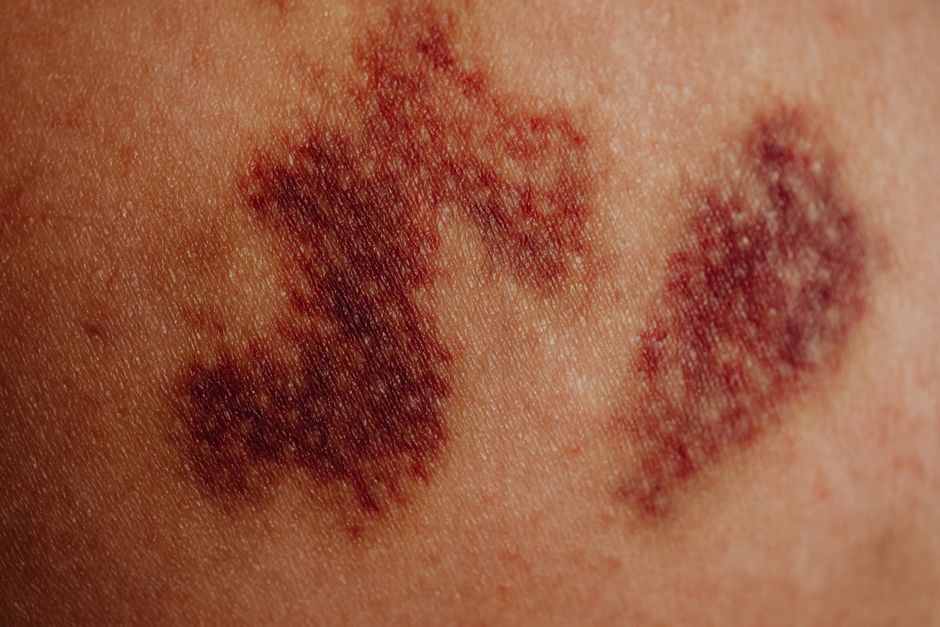
Basal cell carcinoma rarely hurts, especially in its early stages. Most people notice a new bump, sore, or scaly patch that bleeds easily, crusts over, and then returns. Pain is not a common early warning sign, but it can develop as the tumor grows deeper into the skin and affects nerves. The most important thing to watch for is any skin change that does not heal within a few weeks.
Does Basal Cell Carcinoma Hurt?
In most cases, basal cell carcinoma does not cause pain. This is one reason people delay seeing a doctor. The lesion may bleed when bumped or scratched, but that bleeding is often painless.
Pain can appear later. As the tumor grows downward, it can press on or invade small nerves in the skin. Some people report a burning or stinging sensation. Others describe a persistent tenderness that was not there before. If you have a skin lesion that becomes painful, that is a reason to have it checked promptly.
Itching is another symptom some people notice. It is not specific to basal cell carcinoma — many benign skin conditions itch — but a spot that itches and bleeds should not be ignored.
What Does Basal Cell Carcinoma Look Like?
Basal cell carcinoma has several appearances. The most common is a pearly or waxy bump. It often looks pink, red, or flesh-colored. You may see tiny blood vessels on the surface, which give it a shiny look.
Another common form looks like a flat, scaly, reddish patch. This type is easy to mistake for eczema or dry skin. The difference is that it does not improve with moisturizer and gradually expands.
A less common type appears as a white, waxy scar with no clear border. This can be tricky to spot because it does not look like a typical skin cancer.
Some basal cell carcinomas develop a depressed center. The edges remain raised and pearly while the middle breaks down. This is called a rodent ulcer, and it can bleed and crust repeatedly.
Signs To Watch For
Doctors use a simple checklist for basal cell carcinoma. Look for these features:
- A pearly or waxy bump that is pink, red, or flesh-colored
- A flat lesion that is scaly and does not heal
- A sore that bleeds, crusts, and then reopens
- A scar-like area that appears without injury
- A growth with visible blood vessels on the surface
- A lesion that slowly enlarges over months
Bleeding with minimal trauma is a common early sign. You might notice blood on your towel after washing your face or on your pillowcase in the morning. This is not normal for healthy skin.
Basal cell carcinoma grows slowly. It can take months or even years to double in size. This slow growth is why some people wait before seeking care. Waiting is a mistake. While this cancer rarely spreads to distant organs, it can destroy local tissue if left untreated.





Where Does Basal Cell Carcinoma Appear?
Basal cell carcinoma develops on skin that has had sun exposure. The face is the most common location. The nose, ears, eyelids, and cheeks are frequent sites. The scalp, especially in balding men, and the neck are also common.
It can appear on the trunk and legs, though less often. People with lighter skin who burn easily are at higher risk. People with darker skin can develop basal cell carcinoma too, but it is less common and often diagnosed later.
Chronic sun exposure over years is the main cause. Intermittent intense sun exposure — like beach vacations — also raises risk. Tanning bed use increases risk as well. The damage accumulates over time, which is why most basal cell carcinomas appear after age 50.
When To See A Doctor
See a dermatologist if you have a skin lesion that has not healed within four weeks. This is the single most useful guideline. A sore that heals and then returns in the same spot is also a warning sign.
Any new growth that is changing, bleeding, or growing should be examined. If a spot is painful or itchy and does not resolve, that is another reason to seek evaluation.
Do not try to diagnose it yourself. Many skin conditions mimic basal cell carcinoma. Psoriasis, eczema, seborrheic keratosis, and even other skin cancers can look similar. A dermatologist can examine the lesion and decide whether a biopsy is needed.
Diagnosis And Treatment
Diagnosis requires a biopsy. The dermatologist numbs the area and removes a small sample of tissue. A pathologist examines it under a microscope to confirm whether cancer cells are present.
Treatment depends on the size, location, and type of basal cell carcinoma. Most are treated surgically. Excision removes the tumor along with a margin of healthy skin. Mohs surgery removes the cancer layer by layer, checking each layer under a microscope until no cancer remains. Mohs is often used on the face because it preserves healthy tissue.
Other options include curettage and electrodesiccation, where the tumor is scraped and the base is treated with an electric current. Radiation therapy is an option for people who cannot undergo surgery. Topical creams and photodynamic therapy are used for superficial basal cell carcinomas.
Cure rates are high. When caught early, most basal cell carcinomas are cured with a single procedure. The main concern after treatment is the development of new skin cancers. People who have had one basal cell carcinoma have a higher risk of developing another within a few years.
Prevention And Follow-Up
Sun protection is the most effective prevention. Use a broad-spectrum sunscreen with SPF 30 or higher on exposed skin. Reapply every two hours and after swimming or sweating. Wear a wide-brimmed hat and sunglasses. Seek shade during peak sun hours, typically between 10 a.m. and 4 p.m.
Avoid tanning beds entirely. The UV radiation from tanning beds is classified as a human carcinogen.
After a basal cell carcinoma diagnosis, regular skin checks are important. Most dermatologists recommend a full-body skin exam every six to twelve months. Between visits, check your own skin monthly. Use a mirror for hard-to-see areas like the back and scalp.
There is no reliable home test for skin cancer. No app, no cream, and no supplement can diagnose or treat it. Biopsy is the only way to know for certain.
Frequently Asked Questions
Can basal cell carcinoma be painful from the start?
It is uncommon for basal cell carcinoma to hurt in the early stages. Pain usually develops later as the tumor grows deeper and affects nerves.
What does a basal cell carcinoma feel like to the touch?
It often feels like a firm, pearly bump or a flat, rough patch. Many people describe it as feeling different from the surrounding skin.
How fast does basal cell carcinoma grow?
It grows slowly, often over months to years. A lesion that changes noticeably within weeks is more likely to be a different type of skin cancer.
Is basal cell carcinoma dangerous if left untreated?
It rarely spreads to other organs, but it can invade and destroy nearby tissue, including bone and cartilage. Early treatment prevents this damage.
