
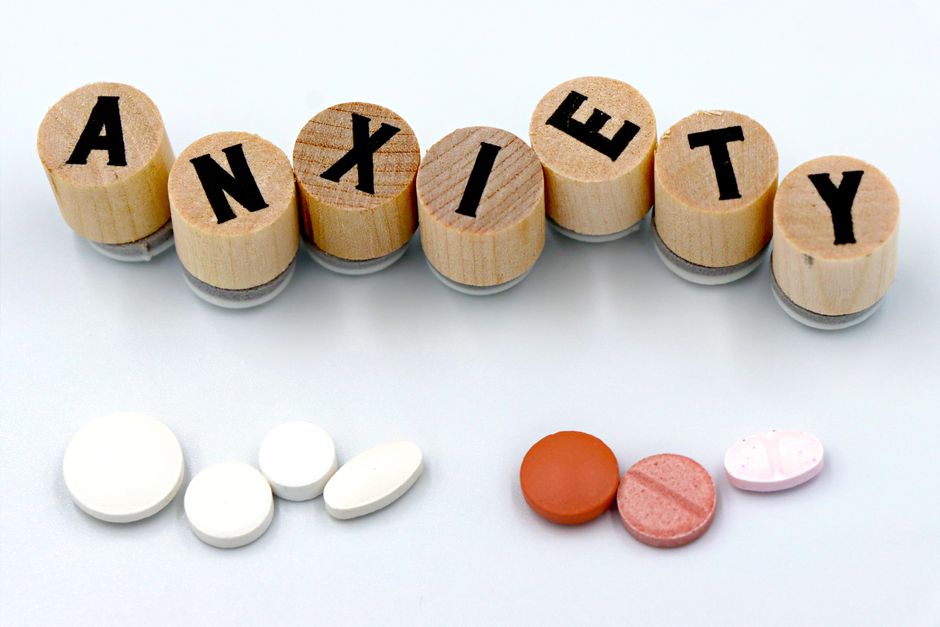
Ashwagandha is an herb that has been used for centuries in traditional medicine, and some research suggests it may help reduce symptoms of anxiety. However, the evidence is not conclusive, and it is not a guaranteed cure or a replacement for proven treatments. It is a supplement with real effects, both positive and potentially negative, so understanding the facts is essential before trying it.
What Is Ashwagandha and How Does It Work?
Ashwagandha is a small shrub native to India and North Africa. Its root and leaves are used to make supplements. In traditional Ayurvedic medicine, it is classified as an adaptogen, a substance believed to help the body manage stress.
The proposed mechanism for anxiety relief is tied to cortisol. Cortisol is a hormone your body releases in response to stress. Some studies have found that ashwagandha can lower cortisol levels in the blood. Since high cortisol is linked to stress, lowering it may help some people feel calmer.
It is important to note that this mechanism is biologically plausible, but it is not fully proven. Lowering cortisol does not automatically mean anxiety will disappear. Anxiety is a complex condition involving brain chemistry, genetics, and environment, not just a single hormone.
Does Ashwagandha Help With Anxiety? What the Research Shows
Several clinical trials have examined ashwagandha for anxiety and stress. Many of these studies are small and short-term, usually lasting 8 to 12 weeks. The results are generally positive but not overwhelming.
A number of randomized, placebo-controlled trials have found that people taking ashwagandha extract report lower scores on standardized anxiety scales compared to those taking a placebo. These are the same types of scales used to measure anxiety in clinical settings. The improvements are often modest, not dramatic.
Some research suggests it may be most useful for people with mild to moderate stress rather than severe anxiety disorders. If you have been diagnosed with generalized anxiety disorder, panic disorder, or another clinical condition, ashwagandha is not a substitute for therapy or medication.
There is also a problem with the quality of some studies. Many are funded by supplement companies that sell ashwagandha. This creates a conflict of interest that can bias results. Larger, independent studies are needed before the scientific community can declare ashwagandha a reliable anxiety treatment.
How Long Does It Take To Work?
Ashwagandha does not work instantly. Unlike anti-anxiety medications that can take effect within hours, herbal supplements generally take longer to build up in your system.
In clinical trials, noticeable improvements in stress and anxiety scores typically appear after 4 to 8 weeks of daily use. Some people report feeling calmer sooner, but this may be a placebo effect. The placebo effect is real and can be powerful, but it is not the same as a proven biological effect.
If you decide to try ashwagandha, give it at least a month before judging whether it helps. If you see no change after 8 to 10 weeks, it is unlikely to work for you.





What Dose Is Used in Studies?
Most clinical trials use a standardized extract of the root, not the raw powder. The dose typically ranges from 300 mg to 600 mg per day. This is usually taken once or twice daily with food.
The extracts used in studies are standardized to contain a specific percentage of active compounds called withanolides, usually around 5%. This standardization ensures each dose contains a consistent amount of active ingredients. Many commercial products do not disclose their withanolide content, which makes it hard to compare products or know what you are actually getting.
You should not exceed the dose listed on a product label without speaking to a healthcare provider. More is not better with herbal supplements. Higher doses increase the risk of side effects without a proven increase in benefit.
What Are the Side Effects and Risks?
Ashwagandha is generally well tolerated in the short term, but it is not free of side effects. The most commonly reported issues are gastrointestinal, including stomach upset, diarrhea, and nausea.
There are more serious concerns. Ashwagandha can affect thyroid hormone levels, potentially increasing them. If you have a thyroid condition, this could be problematic. It may also lower blood sugar and blood pressure. If you take medication for diabetes or hypertension, combining it with ashwagandha could cause levels to drop too low.
There have been rare reports of liver injury associated with ashwagandha use. This is not common, but it is serious. If you notice yellowing of your skin or eyes, dark urine, or severe fatigue, stop taking it and contact a doctor immediately.
Ashwagandha may also interact with sedatives, immunosuppressants, and medications processed by the liver. If you take any prescription medication, check with a pharmacist or doctor before starting this supplement.
Who Should Avoid Ashwagandha?
Pregnant women should not take ashwagandha. Some evidence suggests it may stimulate the uterus and increase the risk of miscarriage. There is no established safe dose for pregnancy, so the conservative position is to avoid it entirely.
People who are breastfeeding should also avoid it. No clinical guidelines exist for this population, and the effects on a nursing infant are unknown. When evidence is absent, the safe choice is to not use it.
People with autoimmune diseases such as rheumatoid arthritis, lupus, or Hashimoto’s thyroiditis should be cautious. Ashwagandha may stimulate the immune system, which could worsen these conditions. This is based on preliminary research, but the risk is not worth taking without medical supervision.
Children should not take ashwagandha. There are no studies confirming its safety or effectiveness in this age group.
How Does Ashwagandha Compare to Standard Anxiety Treatments?
It is important to be clear about this comparison. Cognitive behavioral therapy (CBT) and selective serotonin reuptake inhibitors (SSRIs) are the standard treatments for anxiety disorders. They have decades of research behind them.
Ashwagandha has a fraction of that evidence. It is not comparable in strength or reliability. For mild stress, it might be a reasonable option to discuss with a doctor. For a diagnosed anxiety disorder, it is not a first-line treatment.
Some people use ashwagandha alongside standard treatments. There is no strong evidence that this combination is harmful, but there is also no strong evidence that it adds benefit. If you are already taking an SSRI, do not add ashwagandha without telling your doctor.
Is the Marketing Hype Justified?
Supplement companies often describe ashwagandha as a natural cure for anxiety. This is marketing, not science. No study has confirmed that ashwagandha cures anxiety or any other condition.
The word “natural” does not mean safe or effective. Many natural substances have powerful effects on the body. Ashwagandha is a biologically active herb, which means it can cause changes, some of which may be unwanted.
The honest position is that ashwagandha shows promise for mild stress reduction in some people, but the evidence is limited and mixed. It is not a miracle supplement. Anyone who tells you otherwise is selling something.
Frequently Asked Questions
Can ashwagandha make anxiety worse?
In some people, it can. Side effects like stomach discomfort or jitteriness may increase feelings of distress. If you feel worse after taking it, stop and talk to a healthcare provider.
Is it safe to take ashwagandha every day?
Short-term daily use for up to 12 weeks appears safe for most healthy adults. Long-term safety beyond a few months has not been well studied, so periodic breaks are reasonable.
Does ashwagandha interact with antidepressants?
It may. Ashwagandha can affect liver enzymes that process many medications, including some antidepressants. Always tell your doctor or pharmacist before combining them.
How fast does ashwagandha work for anxiety?
Most studies show benefits appearing after 4 to 8 weeks of daily use. It does not work immediately like some prescription medications.
