
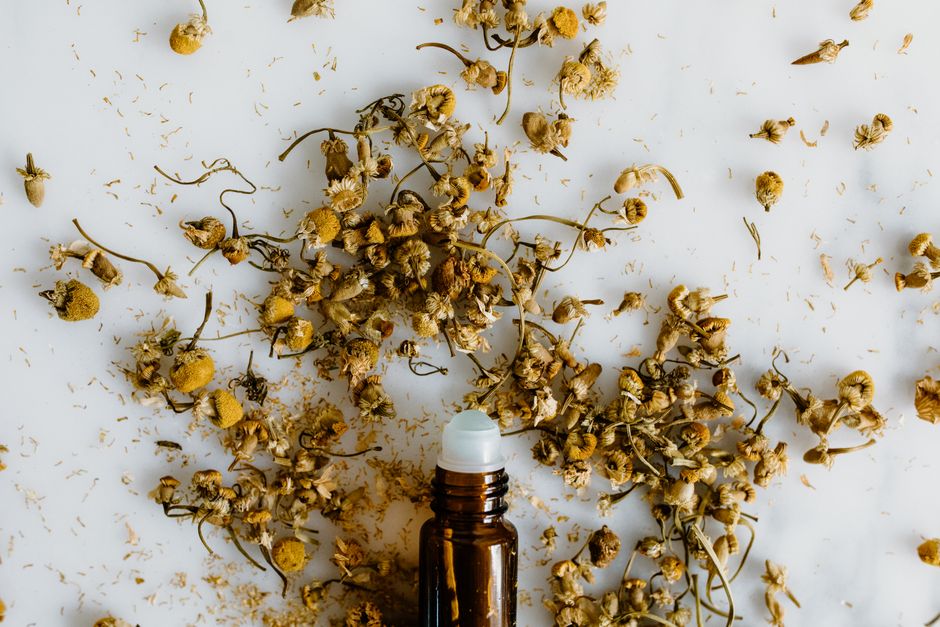
If you feel anxious and reach for a cup of chamomile tea, you are following a tradition that is thousands of years old. The simple answer is yes, chamomile tea can help with mild anxiety, but it is not a treatment for severe anxiety disorders. Research supports its calming effect, though the evidence is stronger for everyday stress and sleep than for clinical anxiety.
What Does the Research Say About Chamomile and Anxiety?
Clinical studies have tested chamomile extract against placebos for generalized anxiety disorder. Some of these trials found that people taking chamomile reported a greater reduction in anxiety symptoms than those taking a placebo. This is real evidence, not just tradition.
However, most of the strongest research uses concentrated chamomile extract in capsule form, not tea. A cup of tea delivers a lower dose of the active compounds. This does not mean the tea is useless. It means the effect is likely milder and better suited for situational stress rather than a diagnosed anxiety disorder.
The evidence for chamomile tea specifically is thinner. Some small studies suggest it can reduce anxiety before medical procedures, and many people report feeling calmer after drinking it. But large, high-quality trials on the tea itself are lacking. The honest position is that chamomile tea shows promise for mild anxiety, with the strongest data coming from supplement studies.
How Does Chamomile Affect the Brain and Body?
Chamomile contains a flavonoid called apigenin. This compound binds to certain receptors in the brain that are the same ones targeted by anti-anxiety medications like benzodiazepines. That binding produces a mild sedative effect without the strong side effects of prescription drugs.
Apigenin does not work as fast or as powerfully as a medication. It is better understood as a gentle nudge toward calm rather than a switch that turns off anxiety. The effect builds gradually, which is why chamomile is often recommended as a nightly ritual rather than an emergency intervention.
Chamomile also contains other compounds with mild anti-inflammatory and antioxidant properties. These may contribute to overall nervous system health, but the calming effect is primarily attributed to apigenin’s action in the brain.
One important point: the way you drink the tea matters. The calming effect comes from the plant compounds, not from the warmth of the cup. That said, the ritual of pausing to brew and drink a warm beverage can itself be a mindfulness practice that lowers stress.
How Much Chamomile Tea Should You Drink for Anxiety?
No official clinical guidelines specify an exact dose of chamomile tea for anxiety. This is a gap in the research that should be acknowledged directly. Unlike medications with tested doses, chamomile tea has no established therapeutic quantity.
Most studies that used chamomile tea or extract for anxiety used amounts equivalent to several cups per day. A reasonable approach is to drink one to three cups daily, spread throughout the day. Some people find that one cup in the evening is enough to promote calm before sleep.
Start with a single cup and pay attention to how your body responds. If you feel calmer, that is useful information. If you notice no change, drinking more tea is unlikely to produce a dramatic effect and may just increase your fluid intake.
Consistency may matter more than quantity. Regular use over several weeks appears more effective than occasional use. The compounds may accumulate in the body, producing a steadier calming effect over time.





Is Chamomile Tea Safe for Everyone?
Chamomile is generally recognized as safe for most adults when consumed as a tea. Side effects are uncommon and usually mild. Some people experience allergic reactions, particularly those with allergies to plants in the daisy family, such as ragweed, marigolds, or chrysanthemums.
If you have never tried chamomile before, start with a small amount. Watch for signs of an allergic reaction, including skin rash, throat tightness, or difficulty breathing. These reactions are rare but possible.
Chamomile may interact with certain medications. It can increase the effects of blood thinners like warfarin and sedatives. If you take any prescription medication, especially for anxiety, sleep, or blood clotting, talk to your doctor before adding chamomile to your routine.
Pregnant women should be cautious. Some healthcare providers advise against medicinal amounts of chamomile during pregnancy due to limited safety data. Drinking the occasional cup of tea is generally considered low risk, but this is a topic where you should consult your obstetrician rather than rely on general information.
Chamomile Tea vs. Other Natural Approaches to Anxiety
Chamomile is one of several herbal remedies studied for anxiety. Others include lemon balm, passionflower, lavender, and valerian root. Each works through slightly different mechanisms, and the evidence for each varies.
Lemon balm has shown some promise for reducing stress and improving mood. Passionflower has been studied for generalized anxiety disorder with mixed results. Lavender, particularly in capsule form, has stronger evidence for anxiety reduction. Valerian root is used more for sleep than for daytime anxiety.
Herbal remedies are not interchangeable with each other or with professional treatment. If you are considering an herbal approach, it is reasonable to try one at a time so you can assess its effects. Combining multiple herbs increases the risk of side effects and interactions without clear added benefit.
Lifestyle factors often matter more than any single supplement. Regular physical activity, adequate sleep, and limited caffeine intake have stronger evidence for reducing anxiety than any herbal tea. Chamomile can be a helpful addition to these habits but should not replace them.
When Should You Seek Professional Help for Anxiety?
Anxiety becomes a concern when it interferes with daily life. If anxiety keeps you from working, socializing, or sleeping regularly, or if it causes significant distress, professional help is warranted. Chamomile tea is not a substitute for evidence-based treatment.
Effective treatments for anxiety disorders include cognitive behavioral therapy and certain medications. These approaches have strong research support and are the standard of care. Therapy teaches skills that address the root causes of anxiety rather than just soothing symptoms.
Warning signs that warrant prompt professional attention include panic attacks, persistent worry that you cannot control, avoiding situations due to fear, and anxiety that lasts for months. If you have thoughts of harming yourself, seek help immediately by contacting a crisis line or going to an emergency room.
You can use chamomile tea alongside professional treatment. Many people find it helps with the physical sensations of anxiety, like a racing heart or tense muscles. Just be transparent with your healthcare provider about everything you are using, including herbal remedies.
Practical Tips for Getting the Most from Chamomile Tea
How you brew chamomile tea affects what you get from it. Use hot water, not boiling, and steep for at least five minutes to extract the active compounds. Cover the cup while steeping to keep the volatile oils from escaping into the air.
Choose quality tea. Loose-leaf chamomile or tea bags from reputable brands generally provide more consistent quality than generic store brands. Organic options reduce exposure to pesticides, though this is a preference rather than a medical necessity.
Be mindful of what you add to the tea. Honey and sugar do not affect the calming properties, but they add calories. Some commercial chamomile blends contain additional herbs like valerian or passionflower, which may alter the effect. Read labels if you want pure chamomile.
Timing matters. Drinking chamomile right before bed can support sleep, which indirectly helps anxiety. Drinking it during a stressful workday may provide a brief pause. Some people find that a cup in the late afternoon helps ease the transition from work to home.
Keep expectations realistic. Chamomile tea is a gentle tool, not a cure. If you expect it to eliminate anxiety completely, you will likely be disappointed. If you use it as one part of a broader approach to stress management, it can be genuinely helpful.
Frequently Asked Questions
How quickly does chamomile tea work for anxiety?
The calming effect typically begins within 30 to 60 minutes after drinking. The full benefit may build over several days of consistent use.
Can chamomile tea replace my anxiety medication?
No. Chamomile is much milder than prescription anti-anxiety medications and is not a substitute for them. Never stop prescribed medication without talking to your doctor.
Is it safe to drink chamomile tea every day?
For most people, daily consumption is safe and well tolerated. If you have allergies to daisy-family plants or take blood thinners, check with your doctor first.
Does chamomile tea help with panic attacks?
Evidence is limited for panic attacks specifically. Chamomile may help with general anxiety, but a panic attack usually requires other strategies like breathing techniques or professional treatment.
