
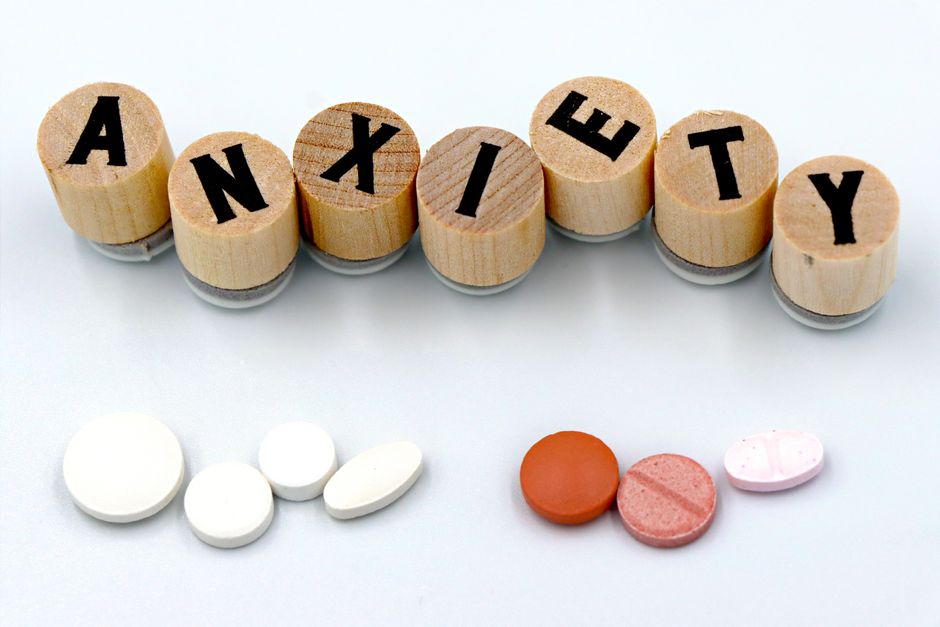
Yes, anxiety can cause you to pee a lot. The link runs through the body’s stress response. When you feel anxious, your body releases hormones that prepare you to react to danger. That same response affects your bladder and makes you feel the urge to go, sometimes often and urgently.
This is a real physical effect, not something you are imagining. It happens to plenty of people before a big meeting, a flight, or an exam. Understanding why it happens can help you tell ordinary stress-related urination apart from a bladder or health problem that needs medical attention.
How Does Anxiety Cause You to Pee a Lot?
Anxiety triggers the sympathetic nervous system, the branch of your nervous system that manages the “fight or flight” response. This system evolved to help you survive threats. When it switches on, your body shifts resources away from functions it considers non-essential in an emergency and toward the ones that help you act.
The bladder is one of the organs affected. The stress response can increase muscle tension in the pelvic area and change how the bladder signals fullness to the brain. Many people notice a sudden, strong urge to urinate when they are nervous, even if their bladder is nearly empty.
There is also a hormonal piece. Anxiety raises levels of hormones like adrenaline and cortisol. These hormones affect fluid balance and muscle activity throughout the body, including the muscles that control urination. The result is that anxiety can make you feel the need to go more often, or feel like you cannot hold it as long as usual.
One point worth clearing up: this is not usually about your kidneys making more urine. It is mostly about how your bladder senses and responds to signals under stress. That is why the urge can appear out of nowhere and then fade once the stressful moment passes.
Why Do I Feel Like I Need to Pee When I Am Nervous?
The feeling of needing to pee when nervous comes from the way your brain and bladder communicate. Your bladder is a muscle, and it is controlled by both voluntary and automatic signals. When you are calm, these signals work quietly in the background. When you are anxious, the system becomes more sensitive.
Anxiety can lower the threshold at which your bladder tells you it is full. In other words, a smaller amount of urine can feel like a strong urge. This is sometimes called an overactive or irritable bladder response to stress. It does not mean your bladder is damaged. It means the signaling has become more reactive.
Anticipatory anxiety plays a role too. If you have peed a lot before an important event in the past, you may start to worry about it happening again. That worry itself can trigger the urge. Some people get caught in a loop: they worry about needing the bathroom, which makes them feel they need the bathroom, which increases the worry.
Breaking that loop is part of managing the problem. The next sections cover what helps and when to see a doctor.
Is Peeing a Lot From Anxiety Different From a Bladder Problem?
Anxiety-related urination has some patterns that help tell it apart from a bladder condition. The key difference is timing. Anxiety-driven urges tend to line up with stressful situations and ease when you relax. Bladder conditions often cause symptoms that are more constant or tied to specific physical triggers.
Here is a general comparison. It is not a diagnostic tool, just a way to think about what you are noticing.
| Pattern | More Typical of Anxiety | More Typical of a Bladder Condition |
|---|---|---|
| Timing | Tied to stress, events, or worry | Frequent or constant, regardless of mood |
| Urge strength | Strong then fades when calm | Persistent, sometimes with leakage |
| Pain | Usually none | Burning, pressure, or pelvic pain possible |
| Nighttime | Less common | Often wakes people from sleep |
| Urine changes | Usually normal | Blood, cloudiness, or strong odor possible |
This table is a rough guide only. Many people have both anxiety and a bladder issue at the same time. If you notice blood in your urine, pain when you urinate, fever, or a sudden change in your usual pattern, see a doctor. Those signs point to something that needs medical evaluation, not stress alone.





What Other Causes Can Make You Pee a Lot?
Frequent urination has many possible causes, and anxiety is only one of them. Ruling out other reasons matters, especially if the problem is new or getting worse. A doctor can help sort this out with a simple history, a urine test, and sometimes blood work.
Common contributors include:
- Drinking a lot of fluids, especially caffeine or alcohol, which can irritate the bladder and increase urine output.
- Urinary tract infections, which often bring burning, urgency, and sometimes cloudy urine.
- Diabetes, which can cause increased thirst and urination when blood sugar is high.
- An overactive bladder, a condition where the bladder muscle contracts too often.
- Medications, including some diuretics and blood pressure drugs.
- Pelvic floor changes, which can affect bladder control, particularly after childbirth or with age.
- Prostate enlargement in men, which can cause frequent urination and a weak stream.
If you are peeing a lot and also feel very thirsty, tired, or are losing weight, get checked for diabetes. Those symptoms together are a reason to see a doctor promptly.
What Helps Reduce Anxiety-Related Urination?
Managing the anxiety usually reduces the urination. The two are connected, so calming the stress response tends to calm the bladder. This is not a quick fix, but many people notice improvement with consistent effort.
Approaches that may help include:
- Slow breathing. Slow, steady breathing can activate the parasympathetic nervous system, the branch that helps your body relax. Practicing this before stressful events may reduce the urge.
- Bladder training. Some clinicians recommend gradually increasing the time between bathroom trips to retrain the bladder. This is best done with guidance from a doctor or pelvic health specialist.
- Limiting bladder irritants. Cutting back on caffeine, alcohol, and very spicy foods may reduce urgency for some people.
- Pelvic floor exercises. Strengthening the pelvic floor muscles can improve bladder control. A physical therapist who specializes in pelvic health can teach correct technique.
- Talking therapy. Cognitive behavioral therapy is well studied for anxiety and can help break the worry-urge loop.
No single approach works for everyone. The evidence is strongest for treating the anxiety itself, since that addresses the root trigger for many people. If symptoms do not improve, a doctor can help you find the right combination.
When Should You See a Doctor About Frequent Urination?
See a doctor if frequent urination is disrupting your sleep, your work, or your daily life. Also seek care if you have symptoms that suggest something beyond anxiety. These include pain or burning when you urinate, blood in your urine, fever, or a sudden change in how often you go.
Other reasons to get checked include needing to urinate many times at night, a weak urine stream, or trouble starting to urinate. These can point to prostate or bladder issues that benefit from early evaluation.
It is also reasonable to see a doctor if you have tried to manage stress-related urination on your own and it is not improving. Frequent urination is common and treatable. There is no need to simply live with it.
If anxiety is affecting your daily life in other ways too, such as persistent worry, trouble sleeping, or avoiding situations, talk to a mental health professional. Anxiety is a treatable condition, and getting support is a sign of strength, not weakness.
Frequently Asked Questions
Does anxiety cause you to pee a lot?
Yes, anxiety can cause frequent urination by activating the body’s stress response, which affects bladder signals and muscle tension. The urge often eases once the stressful situation passes.
Why do I feel like I need to pee when I am anxious?
Anxiety can make your bladder more sensitive, so a small amount of urine feels like a strong urge. The brain and bladder communicate more reactively under stress.
Can stress make you pee more at night?
Stress can contribute to nighttime urination, but waking often to pee is also common with bladder and prostate conditions. If it happens regularly, see a doctor.
How do I stop peeing so much when I am nervous?
Calming your stress response with slow breathing, limiting caffeine, and treating the underlying anxiety may help. If symptoms persist, a doctor can check for other causes.
