
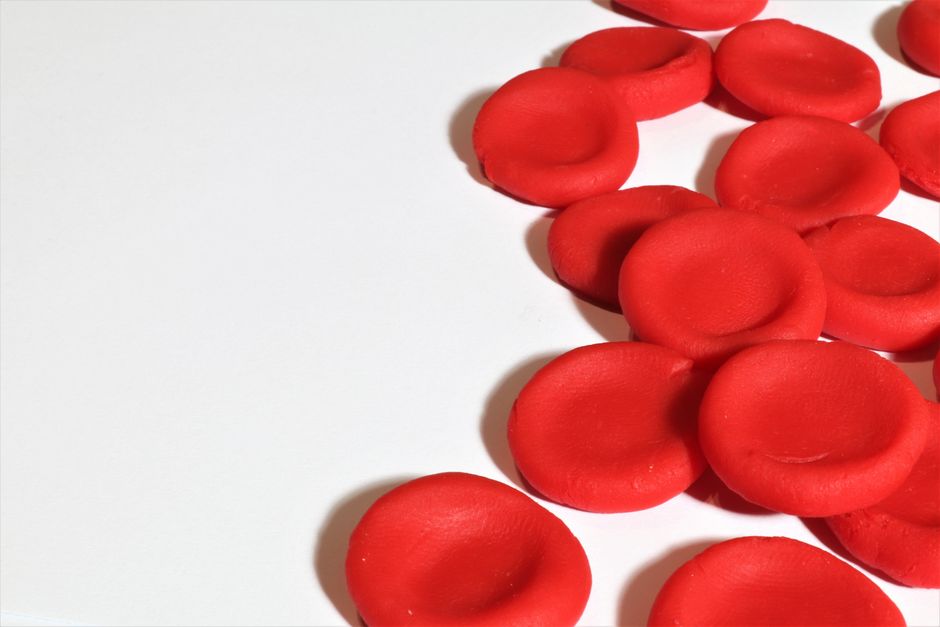
The short answer is no, anemia does not cause blood clots. In fact, most types of anemia actually make it harder for your blood to clot, which means you are more likely to bleed or bruise easily. This is a common point of confusion because both conditions involve the blood, but they work in opposite ways. Anemia means you have too few healthy red blood cells to carry oxygen. Blood clots happen when your blood thickens and forms a solid mass. They are not the same problem, and one does not cause the other.
That said, the relationship between anemia and clotting is not completely simple. Some rare forms of anemia, or treatments for anemia, can raise your risk of clots. And some people have a condition that causes both anemia and clotting issues at the same time. This article explains what the evidence actually shows, so you can separate real risks from common myths.
Does Anemia Cause Blood Clots?
No. Standard iron-deficiency anemia, which is the most common type, does not cause blood clots. Research consistently shows that people with iron-deficiency anemia have a lower risk of developing clots in their veins or arteries. The reason is straightforward: your body needs iron to make healthy red blood cells. When you are low on iron, your bone marrow produces fewer red blood cells, and the ones it makes are smaller and less functional. This makes your blood less sticky and less likely to form a clot.
The confusion often comes from the word “anemia” itself. There are many types of anemia, and a few rare ones do involve clotting. But for the vast majority of people with anemia, the real concern is the opposite: a higher risk of bleeding. If you have iron-deficiency anemia, you are more likely to experience easy bruising, nosebleeds, or heavy menstrual periods. You are not more likely to have a stroke, a pulmonary embolism, or a deep vein thrombosis (DVT) because of the anemia itself.
What Types of Anemia Might Raise Clot Risk?
While standard anemia does not cause clots, there are specific situations where anemia and clotting are linked. These are exceptions, not the rule. The most well-documented example is hemolytic anemia. This is a condition where your body destroys red blood cells faster than it can make them. As the cells break down, they release their contents into your bloodstream. Some of those contents can trigger the clotting system, raising the risk of dangerous clots in small blood vessels.
Another example is sickle cell disease. This is not exactly anemia in the classic sense, but it does cause chronic anemia because the sickle-shaped red blood cells break down quickly. Sickle cell disease is well known to increase the risk of blood clots. The deformed cells can stick to blood vessel walls and block blood flow. According to the Centers for Disease Control and Prevention, people with sickle cell disease have a significantly higher risk of pulmonary embolism and stroke compared to the general population.
There is also the case of anemia of chronic disease. This happens when a long-term illness, such as cancer or an autoimmune disorder, affects red blood cell production. In these situations, the underlying disease itself may raise clotting risk. The anemia is a symptom, not the cause of the clotting problem. If you have anemia related to cancer or lupus, your doctor will monitor you for both anemia and clotting risks separately.
Can Anemia Treatment Cause Blood Clots?
Yes, in some cases. The treatment for certain types of anemia can increase your risk of blood clots. This is important to understand because people sometimes confuse the treatment with the condition itself. The most common example is erythropoiesis-stimulating agents, or ESAs. These are medications like epoetin alfa and darbepoetin alfa, often used to treat anemia in people with kidney disease or cancer. ESAs tell your bone marrow to make more red blood cells. If the dose is too high, your blood can become too thick, raising the risk of clots.
The U.S. Food and Drug Administration has placed a black box warning on these drugs because of the increased risk of serious clotting events, including heart attack, stroke, and venous thromboembolism. This does not mean you should avoid them. It means doctors must carefully monitor your hemoglobin levels while you are on them. The goal is to raise your red blood cell count just enough to relieve anemia symptoms, not to bring it to normal levels.
Iron supplements, which are the standard treatment for iron-deficiency anemia, do not cause blood clots. Some people worry about this because iron is involved in platelet function, but the evidence is clear: oral or intravenous iron does not increase clotting risk when used appropriately. The one exception is if you have a genetic condition called hemochromatosis, where your body stores too much iron. In that case, excess iron can damage blood vessels and potentially raise clotting risk. But this is a separate condition from standard anemia.





How Do Anemia and Blood Clots Differ in the Body?
| Factor | Anemia | Blood Clot (Thrombosis) |
|---|---|---|
| What happens in the blood | Too few red blood cells | Blood forms a solid mass |
| Primary effect on circulation | Reduced oxygen delivery | Blocked blood flow |
| Common symptoms | Fatigue, weakness, pale skin, shortness of breath | Swelling, pain, warmth, redness in a limb; or chest pain and trouble breathing |
| Risk from standard iron-deficiency anemia | Higher bleeding risk | No increased clotting risk |
| Risk from hemolytic anemia | Higher bleeding risk | May increase clotting risk in certain cases |
| Risk from sickle cell disease | Chronic anemia | Significantly higher clotting risk |
What Are the Real Symptoms of Anemia?
Recognizing anemia symptoms is important because people often mistake them for signs of a blood clot. The most common symptoms include fatigue, weakness, dizziness, cold hands and feet, and pale or yellowish skin. You might also experience shortness of breath during normal activities, chest pain, or an irregular heartbeat. These happen because your body is not getting enough oxygen.
Blood clots cause different symptoms. A clot in your leg, called deep vein thrombosis, typically causes swelling, pain, and a warm sensation in one leg. A clot that travels to your lungs, called a pulmonary embolism, causes sudden shortness of breath, sharp chest pain that gets worse when you breathe deeply, and coughing up blood. If you have these symptoms, you need emergency care. They are not signs of anemia.
One non-obvious point worth clarifying: some people with anemia develop a fast heart rate or feel like their heart is pounding. This is your body trying to compensate for low oxygen levels. It is not a sign of a clot. But if you have anemia and suddenly develop one-sided leg swelling or chest pain, do not assume it is just your anemia. Get checked.
What Should You Do If You Have Both Anemia and Clot Symptoms?
If you have been diagnosed with anemia and you develop symptoms that could indicate a blood clot, do not ignore them. The fact that anemia does not cause clots does not mean you are immune to them. Clots can happen for many other reasons, including surgery, long periods of immobility, pregnancy, smoking, or genetic conditions like Factor V Leiden. You can have both anemia and a blood clot at the same time, but the anemia did not cause the clot.
Your doctor can run simple blood tests to check for clotting disorders. These include a D-dimer test, which looks for fragments of broken-down clots, and imaging tests like an ultrasound or CT scan. If you have a family history of blood clots, or if you have had a clot before, mention this to your doctor even if you are currently being treated for anemia.
One practical step: stay hydrated. Dehydration can make your blood thicker, which increases clotting risk regardless of your anemia status. This is especially important if you are taking iron supplements, which can sometimes cause constipation and reduce your fluid intake. Drink water consistently throughout the day.
Common Misconceptions About Anemia and Clots
There are several myths that keep circulating online. One is that anemia makes your blood “thick” and therefore more likely to clot. This is backwards. Anemia makes your blood thinner in the sense that you have fewer cells per volume of blood. The blood is less viscous, not more. The term “thick blood” is sometimes used to describe polycythemia, a condition where you have too many red blood cells. That condition does raise clotting risk. But it is the opposite of anemia.
Another myth is that taking iron supplements can cause clots because iron makes platelets more active. Research published in the journal Blood has found no evidence that iron supplementation increases clotting risk in people with normal iron metabolism. The confusion likely comes from the fact that severe iron deficiency can cause a condition called thrombocytosis, where your platelet count goes up. But those platelets do not work as well, so the overall effect is still a higher bleeding risk, not a higher clotting risk.
A third myth is that if you have anemia, you should avoid blood thinners. This is dangerous. If your doctor prescribes an anticoagulant for a legitimate reason, such as atrial fibrillation or a previous clot, having anemia does not mean you should stop taking it. Your doctor can adjust the dose and monitor your blood counts. Stopping a blood thinner without medical advice can lead to a life-threatening clot.
Frequently Asked Questions
Can iron deficiency anemia cause blood clots?
No. Iron deficiency anemia makes your blood less sticky and lowers your risk of clots. It does not cause them.
What type of anemia causes blood clots?
Hemolytic anemia and sickle cell disease can increase clotting risk. Standard iron-deficiency anemia does not.
Should I be worried about blood clots if I have anemia?
Not because of the anemia itself. But you can still develop clots from other causes, so watch for symptoms like leg swelling or chest pain.
Can anemia treatment cause blood clots?
Yes, some treatments like erythropoiesis-stimulating agents can raise clotting risk if not dosed carefully. Iron supplements do not.
