
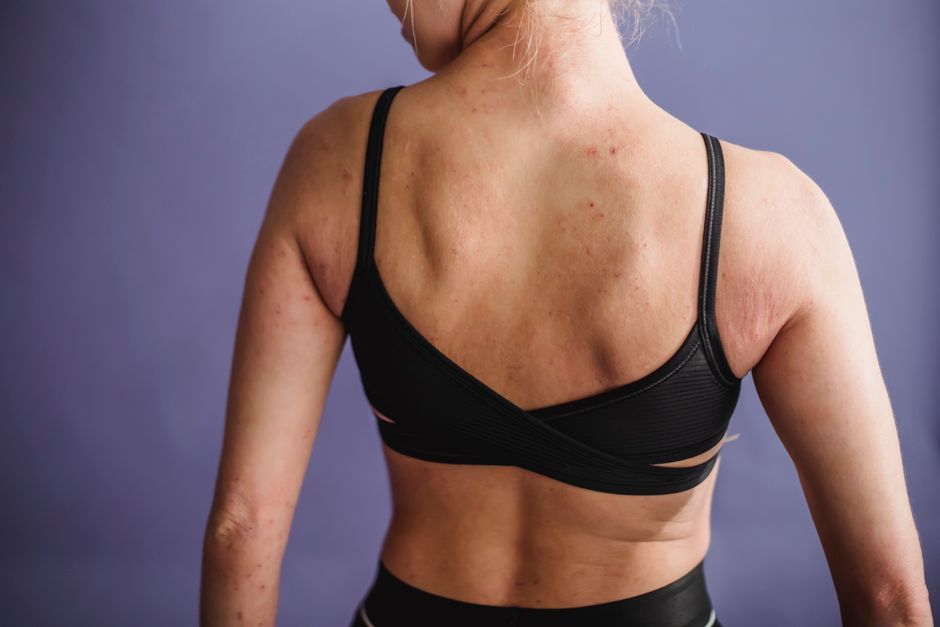
Most zits will go away on their own, but it takes time — typically a few days to a couple of weeks. Your body has natural processes to clear up pimples without any help from creams or treatments. However, how long it takes depends on the type of zit, your skin type, and your overall health. Some zits clear up in three to seven days. Others, especially deep cystic acne, can linger for weeks or even months. The real question is not whether they go away, but what happens while you wait and whether you can speed things up without making them worse.
Do Zits Go Away On Their Own Without Scarring?
Many zits heal without leaving a mark. Research published in the Journal of the American Academy of Dermatology found that most superficial pimples — whiteheads and blackheads — resolve without permanent scarring. The skin repairs itself as the inflammation fades.
The problem starts when you pick, squeeze, or pop a zit. That physical damage pushes bacteria deeper into the skin and tears the tissue. The body then has to repair more than just the original pimple. Scarring is not caused by the zit itself in most cases. It is caused by what you do to it. Studies show that people who avoid touching their pimples have significantly lower rates of acne scarring.
Some zits are more likely to scar even if left alone. Deep, inflamed nodules and cysts sit below the skin surface. These types of acne can damage collagen as they heal, leaving depressed scars or raised bumps. If you get these often, waiting for them to go away on their own may not be the best approach.
How Long Does It Take for a Zit to Go Away Naturally?
A single pimple goes through a life cycle. It starts as a clogged pore, becomes inflamed, then the body clears the debris and repairs the skin. The entire process takes about one to two weeks for most people.
Whiteheads and blackheads are the fastest to clear. These are non-inflamed lesions. The skin pushes the clogged material out slowly. This can take three to seven days. Inflamed pimples — the red, tender bumps — take longer. The immune system has to send white blood cells to fight bacteria and clean up the area. That adds several days to the process.
Cystic acne is different. These deep, painful bumps can last two to six weeks or more. The inflammation is trapped below the skin with no easy way out. The body slowly absorbs the material, and that takes time. Some people report cysts lasting months before finally flattening out.
A 2016 study in Dermatology and Therapy tracked the natural resolution of mild to moderate acne. Researchers found that without treatment, about 40 percent of pimples cleared within one week. By two weeks, about 70 percent had resolved. The remaining 30 percent took longer or became more inflamed before healing.
What Makes Zits Take Longer to Heal?
Several factors slow down the natural healing of a pimple. The first is repeated touching or picking. Every time you touch your face, you transfer oils and bacteria. You also irritate the skin, which increases inflammation. More inflammation means a longer healing time.
Stress plays a real role here. When you are stressed, your body releases cortisol. Cortisol increases oil production in the skin. More oil means more clogged pores. A 2017 study in Clinical and Experimental Dermatology found that students had significantly worse acne during exam periods compared to low-stress times. The pimples that appeared during high stress also took longer to heal.
Diet may also matter, though the evidence is mixed. Some studies suggest that high-glycemic foods — things like white bread, sugary drinks, and processed snacks — can worsen acne. The theory is that these foods spike insulin, which triggers more oil production. Dairy is another suspect. A 2018 review in Nutrients found that people who drank milk regularly had a higher risk of acne, though the link was not strong enough to say dairy causes breakouts for everyone.
Your skin type matters too. People with naturally oily skin tend to have slower-healing pimples because excess oil keeps pores clogged. Dry skin can also slow healing because the outer layer cracks, letting bacteria in.




What Can You Do to Help Zits Go Away Faster?
You do not need a cabinet full of products. Simple steps can speed up healing without risking irritation or scarring.
- Keep the area clean. Wash your face twice daily with a gentle cleanser. Harsh scrubs strip the skin and make inflammation worse.
- Use ice for swelling. Wrap an ice cube in a clean cloth and hold it on the pimple for two to three minutes. This reduces blood flow to the area and calms redness.
- Apply a spot treatment with benzoyl peroxide or salicylic acid. Benzoyl peroxide kills bacteria. Salicylic acid helps unclog pores. Both are backed by decades of research. The American Academy of Dermatology recommends these as first-line treatments for mild acne.
- Leave it alone. This is the hardest step for many people. The less you touch a pimple, the faster it heals. Every squeeze resets the clock.
- Use a non-comedogenic moisturizer. Dry skin triggers more oil production. Keeping the skin hydrated helps balance things out.
One non-obvious point: do not apply toothpaste, garlic, or lemon juice to a pimple. These are popular home remedies with no evidence behind them. Toothpaste dries out the skin and can cause chemical burns. Garlic and lemon juice are acidic and irritate the skin. You will end up with more redness, not less.
When Should You Stop Waiting and See a Doctor?
Waiting for a zit to go away on its own is fine for most people. But there are clear signs that professional help is needed.
If you have deep, painful cysts that last longer than two weeks, see a dermatologist. These are not regular pimples. They are inflammatory lesions that can cause permanent scarring. A doctor can inject a corticosteroid directly into the cyst. This reduces swelling within 24 to 48 hours. It is one of the fastest ways to resolve a stubborn cyst.
If you get breakouts regularly — meaning more than a few pimples per month — you may have acne vulgaris. This is a medical condition, not a hygiene issue. The National Institutes of Health reports that about 50 million Americans have acne each year. Many of them do not need prescription treatments, but some do. Over-the-counter products work for mild cases. Moderate to severe acne often requires prescription medications like topical retinoids, antibiotics, or isotretinoin.
If a pimple is accompanied by fever, spreading redness, or intense pain, it could be infected. This is rare but serious. An infected pimple can turn into cellulitis, a skin infection that requires antibiotics. Do not wait for this to go away on its own.
If you have noticed scarring from past pimples, it is worth seeing a dermatologist even if your current breakouts are mild. Treatments like chemical peels, microneedling, and laser therapy can reduce the appearance of scars. The earlier you treat them, the better the results.
Common Misconceptions About Zits Going Away on Their Own
There is a lot of bad advice online about acne. Here are a few myths that need to be put to rest.
Myth: Popping a zit makes it heal faster. This is false. Popping pushes bacteria deeper into the skin. The body then has to fight a bigger infection. The pimple will take longer to heal and is more likely to scar. A 2014 study in the Journal of Clinical and Aesthetic Dermatology found that people who popped pimples had healing times that were two to three times longer than those who left them alone.
Myth: Sun exposure dries out zits and helps them heal. Sun exposure can temporarily reduce redness, but it damages the skin. UV rays increase inflammation and can darken acne scars. The Skin Cancer Foundation warns that sun exposure is not a treatment for acne. It is a risk factor for skin cancer and premature aging.
Myth: You need to wash your face more often if you have acne. Overwashing strips the skin of natural oils. The skin then produces more oil to compensate. This can make acne worse. Twice daily washing with a gentle cleanser is enough.
Myth: Acne is caused by poor hygiene. Acne is caused by clogged pores, bacteria, inflammation, and hormones. Dirt on the skin does not cause pimples. Washing more will not prevent breakouts. This myth has been debunked by dermatologists for decades, but it persists online.
One more clarification: not all bumps on your face are zits. Closed comedones (whiteheads) and open comedones (blackheads) are non-inflamed. Pustules and papules are inflamed. Cysts and nodules are deep and inflamed. Each type heals differently. If you are not sure what kind of bump you have, it is worth looking at a dermatology reference site or asking a professional.
Frequently Asked Questions
How long does a typical zit last without treatment?
Most zits last between three and seven days for superficial pimples, and up to two weeks for inflamed ones. Deep cysts can last several weeks or longer.
Can a zit go away overnight?
No, a zit cannot go away overnight. The body needs time to clear inflammation and repair the skin, which takes at least a few days.
Is it safe to let cystic acne heal on its own?
It is safe for most people, but cystic acne is more likely to scar. If you have deep cysts that last more than two weeks, see a dermatologist.
Does picking a zit make it heal slower?
Yes, picking a zit makes it heal slower and increases the risk of scarring. Studies show healing times can double or triple after picking.
