
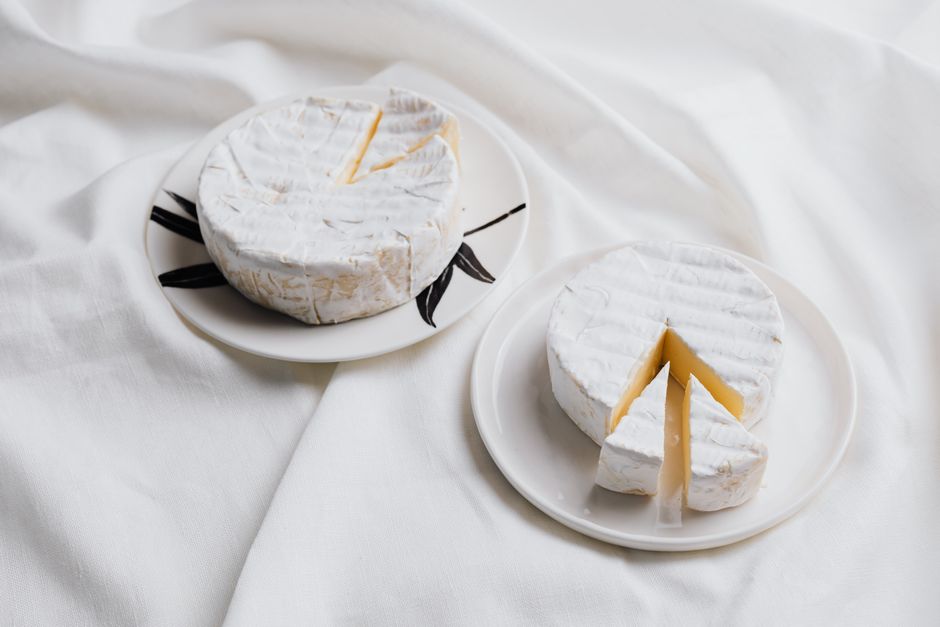
The short answer is yes, the rind on Brie cheese is safe to eat, and most people do eat it. The white, bloomy rind is a natural part of the cheese and is made of the same mold that gives Brie its creamy texture and distinctive flavor. While it is completely edible, whether you enjoy it often comes down to personal taste and texture preferences.
What Is The White Rind On Brie Made Of?
The rind on Brie is not a wax coating or an artificial shell. It is a living layer of mold called Penicillium camemberti, which is the same mold used to make Camembert cheese.
During the cheesemaking process, this specific mold is sprayed onto the surface of the cheese. Over several weeks, it grows into a soft, white, velvety coating. This mold is the reason Brie ripens from the outside in. The mold produces enzymes that break down fats and proteins in the cheese, which creates the runny, creamy texture near the rind.
This type of mold is entirely different from the molds that grow on old food in your refrigerator. Penicillium camemberti is a domesticated, food-safe mold that has been used for centuries in cheese production.
Is The Rind Safe To Eat?
Yes. The rind is safe for healthy adults to consume. It is a standard part of the cheese and is eaten routinely by people in France and around the world.
Food safety agencies, including the FDA, recognize cheeses made with Penicillium camemberti as safe for consumption. The mold itself is not harmful. The main concern for some people is not toxicity but the texture and flavor.
There are a few groups of people who may want to avoid the rind. Pregnant women, people with weakened immune systems, and older adults with chronic illnesses are often advised to avoid soft-ripened cheeses entirely. This advice exists because soft cheeses carry a small risk of Listeria, a bacteria that can grow in moist, refrigerated foods. The risk is not from the mold itself but from the cheese’s moisture and aging process. If you fall into any of these categories, talk to your doctor about whether soft cheeses are safe for you.
What Does The Rind Taste Like?
The rind has a distinct flavor that differs from the creamy interior. It tastes earthy, slightly mushroom-like, and can have a mild ammonia note.
That ammonia flavor is worth understanding. As Brie ages, the mold on the rind continues to break down proteins. This process naturally releases ammonia gas. A very ripe Brie will have a stronger ammonia smell and taste, especially in the rind. This is not a sign of spoilage. It is a sign that the cheese is fully mature. However, if the ammonia flavor is overpowering or burns your nose, the cheese may be overripe.
Many cheese lovers eat the rind because it provides a textural contrast to the soft paste. Others find the texture too chewy or the flavor too strong and prefer to scoop out the inside. Both approaches are acceptable.




Do You Eat The Rind On Brie Cheese? How To Decide
There is no culinary rule that requires you to eat the rind. The decision is entirely about your personal preference.
If you are new to Brie, try tasting the cheese with the rind first. Cut a small wedge that includes both the rind and the paste. This is how Brie is traditionally served and how the flavor profile is meant to be experienced. The rind balances the richness of the creamy interior.
If you find the rind unpleasant, simply cut it off. You lose a small amount of the cheese near the rind, but you will still enjoy the majority of the paste. Some people prefer to eat only the interior when the cheese is very ripe and runny, because the rind becomes firmer and the contrast is more pronounced.
When serving Brie to guests, do not remove the rind in advance. The rind helps the cheese hold its shape. If you remove it before serving, the paste will spread out and lose its form. Let each person decide for themselves whether to eat the rind.
How To Store Brie To Keep The Rind Fresh
Proper storage keeps the rind in good condition and slows down over-ripening. Brie is a living product, and the mold continues to grow even after you bring it home.
Store Brie in the refrigerator wrapped in wax paper or parchment paper. Avoid wrapping it tightly in plastic wrap. Plastic traps moisture and can cause the rind to become slimy or develop off-flavors. If you must use plastic, wrap it loosely and place it in a container with room for air.
Remove Brie from the refrigerator about 30 to 60 minutes before serving. Cheese tastes best at room temperature. The texture softens, and the flavors open up. The rind becomes more supple and less chalky when the cheese is not cold.
If you notice the rind developing dark spots or an unusual fuzz that is not white, that is a sign of unwanted mold growth. The white mold on Brie is uniform and velvety. Pink, black, or gray spots indicate contamination, and the cheese should be discarded.
Is The Rind Nutritious?
The rind is mostly mold biomass, which is very low in calories and nutrients. The nutritional value of Brie comes primarily from the milk, cream, and paste, not the rind.
Eating the rind adds negligible nutritional benefit. It contains trace amounts of protein and fiber from the mold cells, but these amounts are too small to matter in your diet. The rind is not a health food, and it is not a source of probiotics in any meaningful way. The mold is inactive by the time the cheese is packaged and refrigerated.
Brie itself is a good source of protein and calcium. A typical serving of Brie provides about 5 to 6 grams of protein and around 50 milligrams of calcium per ounce. It is also high in saturated fat and sodium, so it is best enjoyed in moderation as part of a balanced diet.
Common Myths About Brie Rind
A few myths circulate about Brie rinds, and it helps to clear them up.
Myth: The rind is wax and should be removed. This is false. Some cheeses like Gouda or Edam have wax rinds that are not meant to be eaten. Brie does not have a wax rind. Its rind is a natural mold layer that is fully edible.
Myth: The rind is the most flavorful part. This is partly true. The rind is concentrated in flavor compounds, but many people find those flavors too intense. The flavor of the rind is not necessarily “better” — it is just stronger and different from the paste.
Myth: The white mold is dangerous like mold on bread. This is false. The mold on bread is often a different species, such as Penicillium or Aspergillus, that can produce mycotoxins. The mold on Brie is a carefully selected, food-grade culture that is safe to eat.
If you are concerned about any food safety question related to cheese, the most reliable course is to check guidance from your country’s food safety authority. For most healthy adults, the answer is clear: the rind on Brie is safe, edible, and a normal part of the cheese.
Frequently Asked Questions
Can you eat the rind on Brie cheese?
Yes, the rind on Brie is safe to eat and is a natural part of the cheese. It is made of a food-safe mold called Penicillium camemberti, not wax or artificial coating.
Does the Brie rind taste good?
The rind tastes earthy and slightly mushroom-like, with a mild ammonia note that increases as the cheese ripens. Some people enjoy this contrast with the creamy interior, while others prefer to remove it.
Should pregnant women eat Brie rind?
Pregnant women are often advised to avoid soft-ripened cheeses like Brie entirely due to a small risk of Listeria. This guidance applies to the whole cheese, not just the rind, so consult your doctor for specific advice.
Is the white mold on Brie dangerous?
No, the white mold on Brie is a domesticated, food-safe mold that has been used in cheesemaking for centuries. It is not the same as the harmful molds that grow on spoiled food.
