
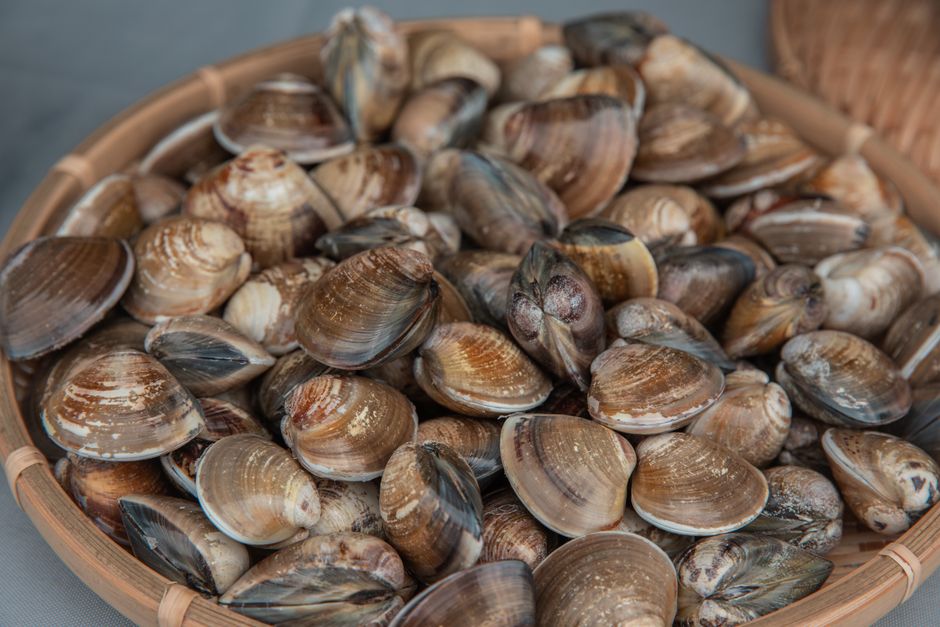
Yes, clam chowder is safe to eat during pregnancy as long as it is fully cooked and served steaming hot. The key risks come from raw or undercooked shellfish, not from properly heated chowder. Most restaurant and canned clam chowders are cooked at high temperatures that kill harmful bacteria and viruses. The real concern is not the chowder itself but whether the clams were fully cooked before being added. If you are pregnant and craving clam chowder, you do not need to avoid it. You just need to be careful about where it comes from and how it is prepared.
What Makes Clam Chowder Risky During Pregnancy?
The main danger with any shellfish during pregnancy is foodborne illness. Clams are filter feeders. They pull in water and anything floating in it, including bacteria, viruses, and heavy metals. The two biggest concerns are Vibrio bacteria and hepatitis A virus. Both can cause serious illness in pregnant women. Vibrio infections can lead to sepsis. Hepatitis A can cause liver damage and has been linked to pregnancy complications.
Proper cooking kills both of these. The CDC states that shellfish must be cooked to an internal temperature of 145°F (63°C) to be safe. Clam chowder is typically simmered for a long time, which easily reaches this temperature. The problem arises when clams are added late in the cooking process or when the chowder is not heated through before serving.
Another concern is mercury. Clams are low-mercury seafood. The FDA lists clams among the “Best Choices” for pregnant women, meaning you can eat two to three servings per week. Mercury is not a significant risk with clam chowder. The bigger issue is contamination from the water where clams were harvested. This is why the source matters.
Is Canned Clam Chowder Safe During Pregnancy?
Canned clam chowder is generally safe because it is cooked during the canning process. The high heat used in commercial canning kills bacteria and viruses. The U.S. Food and Drug Administration requires that canned foods be heated to temperatures that destroy pathogens. So a can of Progresso, Campbell’s, or store-brand clam chowder is not a safety risk from a bacterial standpoint.
But there is a catch. Canned chowders are very high in sodium. One cup of canned clam chowder can contain 700 to 900 milligrams of sodium. That is nearly half the daily recommended limit for pregnant women. High sodium intake during pregnancy can contribute to swelling and increased blood pressure. Some studies suggest it may raise the risk of preeclampsia.
If you eat canned clam chowder, choose low-sodium versions when available. Or eat smaller portions. A half-cup serving with a side of vegetables is a reasonable approach. Do not drink the whole can in one sitting.
Is Restaurant Clam Chowder Safe During Pregnancy?
Restaurant clam chowder is safe if it is served hot and the restaurant has a good reputation. The key word is hot. Bacterial growth slows above 140°F. If the chowder is lukewarm or barely warm, bacteria could have survived or multiplied. Ask for it “piping hot” and check the temperature by touching the bowl. If it is not steaming, send it back.
Some restaurants use pre-cooked frozen clams. This is actually safer than fresh clams because freezing kills some parasites. But freezing does not kill all bacteria. Only heat does. So even with frozen clams, the chowder must be fully heated.
A less common risk is cross-contamination. If the restaurant uses the same cutting board for raw clams and other ingredients, bacteria can spread. This is more of a concern at raw bars or seafood shacks that handle live clams. Stick to well-reviewed sit-down restaurants rather than fast-casual seafood counters.



What About Homemade Clam Chowder While Pregnant?
Homemade clam chowder gives you the most control. You can choose fresh or canned clams and cook them thoroughly. If you use fresh clams in the shell, make sure they are alive before cooking. Discard any with cracked shells or that do not close when tapped. Cook them until the shells open. Clams that stay closed after cooking should be thrown away.
The chowder should simmer for at least 10 minutes after adding the clams. This ensures the center of each clam reaches a safe temperature. If you use canned clams, they are already cooked. But you should still heat the chowder to a boil before serving. Do not just warm it.
One thing many people do not know: alcohol used in some chowder recipes. Some chefs add white wine or sherry to clam chowder. The alcohol does not fully cook off during simmering. A standard amount of wine in a pot of chowder leaves trace amounts of alcohol. This is generally considered safe during pregnancy, but if you want to avoid any alcohol, ask about ingredients or leave it out of your homemade recipe.
Can You Eat Clam Chowder From a Bread Bowl While Pregnant?
Bread bowls are popular in places like San Francisco and Boston. The chowder itself is the same as what is served in a regular bowl. The bread does not add any pregnancy-specific risk. But there is a practical concern: the bread bowl keeps the chowder hot longer. That is good for safety. However, the bread adds a lot of empty carbohydrates and calories.
The bigger issue is that bread bowls are often served at tourist-heavy spots where food turnover is high. That means the chowder may have been sitting in a warming pot for hours. If the temperature drops below 140°F, bacteria can grow. Ask when the batch was made. If it has been sitting all day, choose something else.
What Does Research on Clam Chowder Safety During Pregnancy Show?
There are no specific studies on clam chowder and pregnancy outcomes. Research on shellfish safety during pregnancy is more general. A 2019 study in the journal Foodborne Pathogens and Disease found that Vibrio infections in pregnant women were more severe than in non-pregnant women. The study recommended avoiding raw shellfish entirely during pregnancy.
The FDA and the American College of Obstetricians and Gynecologists both advise that pregnant women can eat cooked shellfish. Clam chowder falls into this category. The key is the cooking method. Boiling, simmering, and steaming all kill pathogens effectively.
One study from the University of Washington looked at mercury levels in Pacific Northwest shellfish. It found that clams had mercury levels well below the FDA’s safety threshold. The average mercury level in clams was 0.009 parts per million. That is 50 times lower than the FDA’s limit for “low mercury” seafood.
Some people worry about red tide toxins. Red tide is a bloom of algae that produces a neurotoxin called domoic acid. Clams can accumulate this toxin. Cooking does not destroy domoic acid. However, commercial clam harvesting is monitored by state agencies. During red tide events, harvesting is closed. So store-bought clams are safe. The risk is only with clams you harvest yourself from beaches with active red tide.
Frequently Asked Questions
Can I eat clam chowder from a can while pregnant?
Yes, canned clam chowder is safe because it is cooked during canning. Choose low-sodium versions to avoid excessive salt intake.
Is New England clam chowder safe during pregnancy?
Yes, as long as it is served steaming hot. The cream base does not add any extra risk compared to other chowders.
Can I eat clam chowder at a restaurant while pregnant?
Yes, if the chowder is piping hot and the restaurant has good food safety practices. Avoid lukewarm chowder or places with raw shellfish bars.
How much clam chowder can I eat per week while pregnant?
You can eat two to three servings of clam chowder per week. Clams are low in mercury and rich in protein and iron.
