
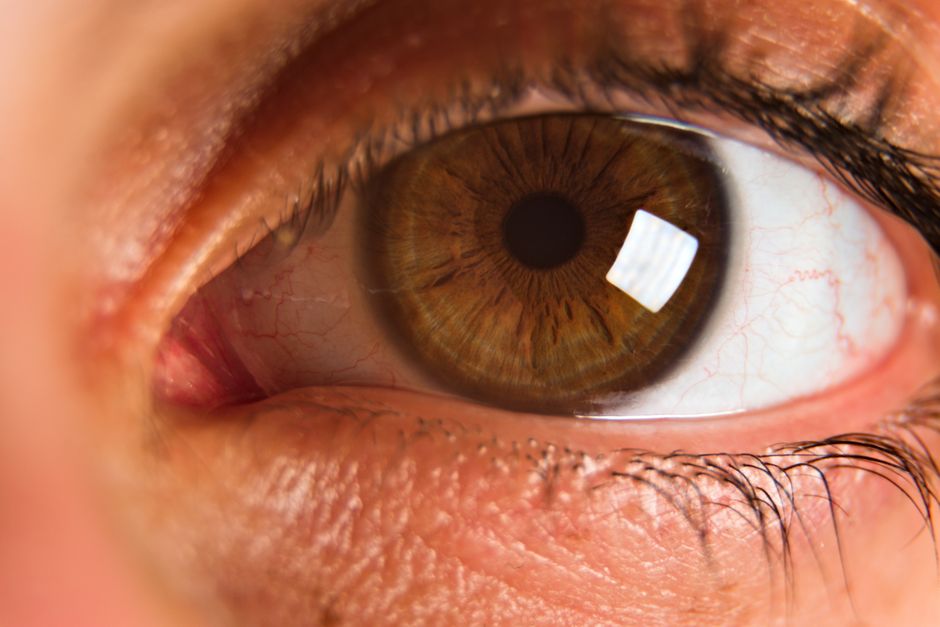
No, the eyeballs do not grow after early childhood. The human eye reaches nearly its full size by around age 3 and then grows only slightly until puberty, when it stops. By adulthood, each eyeball measures about 24 millimeters across — roughly the size of a ping-pong ball — and stays that size for life.
That single fact explains a lot. It’s why vision problems often start in childhood. It’s why some people need glasses and others don’t. And it’s why the phrase “eyeballs grow” gets searched so often — people sense something is happening with their eyes but aren’t sure what. The truth is stranger and more useful than the myth.
How Big Is an Adult Eyeball?
An adult human eyeball is about 24 millimeters in diameter. That’s just under one inch. It weighs roughly 7.5 grams.
Here’s the part most people find surprising: your eyes were close to this size when you were a toddler. A newborn’s eye is roughly 16 to 17 millimeters across. By age 3, it’s around 23 millimeters. The remaining growth to 24 millimeters happens slowly and mostly finishes by puberty.
Compare that to your liver, your lungs, or your hands. Those keep changing for years. Your eyes essentially lock in early and stay put.
This is also why your eyes don’t “look small” on a baby the way a baby’s hands or feet look small. The proportions are already close to adult size. The rest of the face grows around them.
Why Do People Think Eyeballs Grow?
Because something does change — just not the size of the eyeball itself.
Your eyeball has three main layers. The outer shell is the sclera (the white part) and the cornea (the clear front window). Inside that shell, the eye is filled with fluids and structures that can shift over time.
The most common reason vision changes with age is not that the eye grows. It’s that the lens inside the eye loses flexibility, and the shape of the cornea or the length of the eyeball can cause light to focus in the wrong place.
There’s also this: as we age, the muscles and tissues around the eye change. Eyelids droop. The fat pads around the eye shift. The eye can appear larger, smaller, or more sunken depending on those surrounding changes — even though the eyeball itself hasn’t budged.
So the perception of “growth” is real. The cause isn’t.
Does the Eyeball Grow in Adulthood?
No. Once you reach adulthood, the eyeball does not grow.
What can happen is that the shape of the eye changes slightly over decades, and this affects vision. The most well-known example is myopia (nearsightedness), which is often caused by the eyeball being slightly too long from front to back. That elongation typically develops during childhood and adolescence, when the eye is still finishing its growth.
In rare cases, certain medical conditions can cause the eye to change shape or size in adulthood. These are not normal growth. They are signs of disease and require medical evaluation.
If you notice a sudden change in the appearance of your eye — bulging, sinking, or a difference between the two eyes — that is a reason to see a doctor promptly. It is not a normal part of aging.





What Actually Changes About Eyes With Age?
Plenty changes. Just not the size of the eyeball.
The most consistent change is presbyopia — the loss of the ability to focus on close objects. This happens because the lens inside the eye becomes stiffer and less able to change shape. It typically becomes noticeable in the 40s and continues to progress. Nearly everyone experiences it.
Other common changes include:
- The lens can become cloudy, a condition called cataracts. This is very common with age.
- Tear production may decrease, leading to dry eye.
- The pupil may become slightly smaller and less responsive to light.
- Contrast sensitivity and color discrimination can decline gradually.
- The vitreous gel inside the eye can shrink and pull away from the retina, causing floaters.
None of these involve the eyeball getting bigger. They involve the internal structures and surrounding tissues changing over time.
Can the Eyeball Grow Back or Regrow?
No. The eyeball cannot regrow or regenerate if damaged.
The retina — the light-sensitive layer at the back of the eye — has very limited ability to repair itself. The lens cannot regrow. The cornea can heal from minor surface injuries, but it does not regenerate new tissue the way skin does.
This is why eye protection matters. Once certain structures in the eye are damaged, they don’t come back. The eye is built to last a lifetime, but it’s not built to rebuild.
What About the Myth That Eyes Grow When You’re Pregnant?
They don’t. Pregnancy does not cause the eyeballs to grow.
What can happen during pregnancy is temporary changes in vision. Hormonal shifts can affect the shape of the cornea slightly, which can change your eyeglass prescription. Some pregnant women notice blurry vision or dry eyes. These changes are usually temporary and resolve after delivery.
If you experience sudden vision changes during pregnancy — especially flashes of light, floaters, or a sudden loss of vision — contact your doctor right away. Those can be signs of a serious condition called preeclampsia, which requires immediate medical attention.
Do Eyeballs Grow at Different Rates in Different People?
Yes, slightly. But the variation is small.
Most adult eyes fall within a narrow range of about 22 to 25 millimeters. The difference between a smaller and larger adult eye is a few millimeters — not enough to notice by looking at someone.
What varies more is the shape of the eye. Two people can have the same size eyeball but very different vision because of differences in corneal curvature or axial length (the distance from the front to the back of the eye). Those differences are what determine whether you’re nearsighted, farsighted, or have astigmatism.
This is also why two siblings can have completely different prescriptions despite having similar-sized eyes.
When Should You Worry About Eye Changes?
Most changes in how your eyes look or feel are normal. Some are not.
See an eye doctor promptly if you notice:
- A sudden change in vision in one or both eyes
- New floaters or flashes of light, especially if they appear suddenly
- A dark curtain or shadow across your field of vision
- One eye appearing to bulge or protrude
- Persistent eye pain or redness
- Double vision that doesn’t go away
These symptoms don’t mean your eyeball is growing. They can signal problems with the retina, optic nerve, thyroid, or other conditions that need medical care.
Routine eye exams are the best way to catch changes early. How often you need one depends on your age, risk factors, and whether you already have vision problems. Your eye doctor can tell you what schedule makes sense for you.
The Bottom Line on Eyeball Growth
The eyeball does not grow after childhood. It reaches near-adult size by age 3 and stops growing around puberty. After that, any changes in vision come from the lens, cornea, retina, or surrounding tissues — not from the eyeball itself getting bigger.
That’s the honest answer. The myth persists because vision does change over time, and it’s easy to assume the eye is growing. It isn’t. Understanding what’s actually happening can help you know when to relax and when to call a doctor.
Frequently Asked Questions
Do eyeballs grow as you get older?
No. The eyeball reaches nearly full size by around age 3 and stops growing by puberty. Any vision changes in adulthood come from the lens, cornea, or other structures — not from the eyeball getting larger.
At what age do eyeballs stop growing?
The eye grows fastest in the first 3 years of life and then grows very slowly until puberty, when growth stops. By adulthood, the eyeball is about 24 millimeters across and stays that size.
Can your eyeball change shape?
Yes, the shape can change, especially during childhood when conditions like myopia develop. In adulthood, changes in eye shape are usually related to disease and should be evaluated by a doctor.
Why do my eyes look bigger or smaller than before?
Changes in the eyelids, fat pads, and surrounding tissues can make the eye appear different even though the eyeball itself hasn’t changed size. Sudden changes in appearance should be checked by a doctor.
