
Euonymus Paloma Blanca is a variegated evergreen shrub prized for its creamy-white and green foliage. Grow it in full sun to partial shade, in well-drained soil that ranges from mildly acidic to slightly alkaline. Water regularly during its first year to help roots establish, then reduce watering once the plant is settled. Prune lightly in late winter or early spring to keep its shape and remove any stems that revert to solid green.
What Is Euonymus Paloma Blanca?
Euonymus Paloma Blanca is a cultivar of Euonymus japonicus, commonly called Japanese spindle. It is an evergreen shrub that keeps its leaves year-round in mild climates. The name “Paloma Blanca” refers to its white variegation, which appears as creamy-white margins or splashes against green centers.
Japanese spindle is native to Japan, Korea, and parts of China. It has been cultivated widely as an ornamental plant because it tolerates coastal conditions, urban pollution, and a range of soil types. The species itself grows into a dense, upright shrub. Cultivars like Paloma Blanca were selected for leaf color and compact growth.
This is not the same plant as Euonymus alatus, the winged burning bush, which is deciduous and known for brilliant red fall color. It is also distinct from Euonymus fortunei, a related species that includes many low-growing, spreading groundcover cultivars. Paloma Blanca belongs to the upright shrub group.
One practical detail matters here: variegated plants contain less chlorophyll than their solid-green counterparts. That means they generally grow a little slower and can be slightly less vigorous. This is normal, not a sign of poor health.
Where Should You Plant Euonymus Paloma Blanca?
Light is the single most important factor for this shrub. Variegated euonymus produces the strongest leaf color in full sun to partial shade. In hot inland climates, a spot with morning sun and afternoon shade often works best, since intense all-day sun can scorch the white portions of the leaves.
In cooler coastal climates, full sun is usually fine and helps the plant stay dense. Too much shade is a more common problem. Plants grown in deep shade tend to become leggy, with fewer leaves and weaker variegation.
Soil matters less than drainage. Japanese spindle adapts to a wide pH range and to sandy, loamy, or clay soils, provided water does not sit around the roots. If your soil is heavy clay, amend it with organic matter or plant on a slight mound so excess water drains away.
This shrub also tolerates salt spray and wind, which is why it appears in coastal gardens. It works well as a low hedge, a foundation planting, or a container specimen. Give it room to reach its natural spread rather than crowding it against walls.
How Do You Plant It Correctly?
Plant in spring or early fall, when soil is workable and temperatures are moderate. These seasons give roots time to establish before extreme heat or cold.
Dig a hole roughly two to three times as wide as the root ball but no deeper than the root ball itself. Planting too deep is a common mistake that can lead to root rot. Set the plant so the top of the root ball sits level with or slightly above the surrounding soil.
Backfill with the soil you removed, firm it gently to remove air pockets, and water thoroughly. A layer of mulch two to three inches deep helps retain moisture and suppress weeds. Keep mulch a few inches away from the trunk to prevent rot.
If you are planting a hedge, space plants according to the mature spread listed on the nursery tag. Crowding them speeds up the look of a full hedge but increases competition for water and light, and it can promote disease by reducing airflow.




How Much Water Does It Need?
Newly planted euonymus needs consistent moisture for the first growing season. Water when the top inch or two of soil feels dry. This usually means watering once or twice a week in warm weather, depending on your soil and climate.
Once established, Japanese spindle is moderately drought tolerant. It still performs best with occasional deep watering during dry spells. Deep, infrequent watering encourages deeper roots, which makes the plant more resilient than light, frequent sprinkling.
Container plants dry out faster than plants in the ground and typically need more frequent watering. Check the soil regularly rather than following a fixed schedule.
Overwatering is a bigger risk than underwatering for this shrub. Yellowing leaves and soft, mushy stems can signal soggy roots. If you see these signs, let the soil dry and check drainage.
How Should You Prune and Maintain It?
Prune in late winter or early spring, before new growth begins. Light shaping is usually enough. Euonymus responds well to pruning and can be kept compact with regular trimming.
Watch for reversion. Variegated plants sometimes produce shoots that are entirely green. These shoots grow faster and can overtake the variegated growth if left alone. Cut reverted stems back to where they join the main plant.
Remove any dead, damaged, or crossing branches at the same time. If you are growing a formal hedge, trim after the main flush of growth, but avoid heavy pruning late in the season, since new growth may not harden off before cold weather.
Fertilizer needs are modest. A balanced slow-release fertilizer in spring is generally sufficient for plants in the ground. Do not over-fertilize, as excess nitrogen can push soft growth and reduce leaf color. Container plants benefit from more regular feeding during the growing season.
What Pests and Diseases Affect It?
Japanese spindle is generally tough, but a few problems are common. Scale insects are among the most frequent pests. They attach to stems and leaves and feed on sap, which can cause yellowing, sticky residue, and sooty mold. Horticultural oil or insecticidal soap is often used, and timing matters for effectiveness.
Spider mites can be an issue in hot, dry conditions. They cause fine stippling on leaves. Adequate moisture and airflow help reduce their impact.
Root rot is the main disease concern, and it is almost always linked to poorly drained soil or overwatering. There is no reliable cure once roots are severely affected, so prevention through good drainage is the practical approach.
Powdery mildew and leaf spot can appear in humid conditions or where airflow is poor. Improving air circulation and avoiding overhead watering in the evening reduces the risk.
Is Euonymus Paloma Blanca Cold Hardy and Safe?
Japanese spindle is generally hardy in USDA zones 6 through 9, though hardiness can vary by cultivar and local conditions. In colder zones, plants may suffer dieback or leaf drop in severe winters. In the coldest part of its range, a sheltered spot and winter protection help.
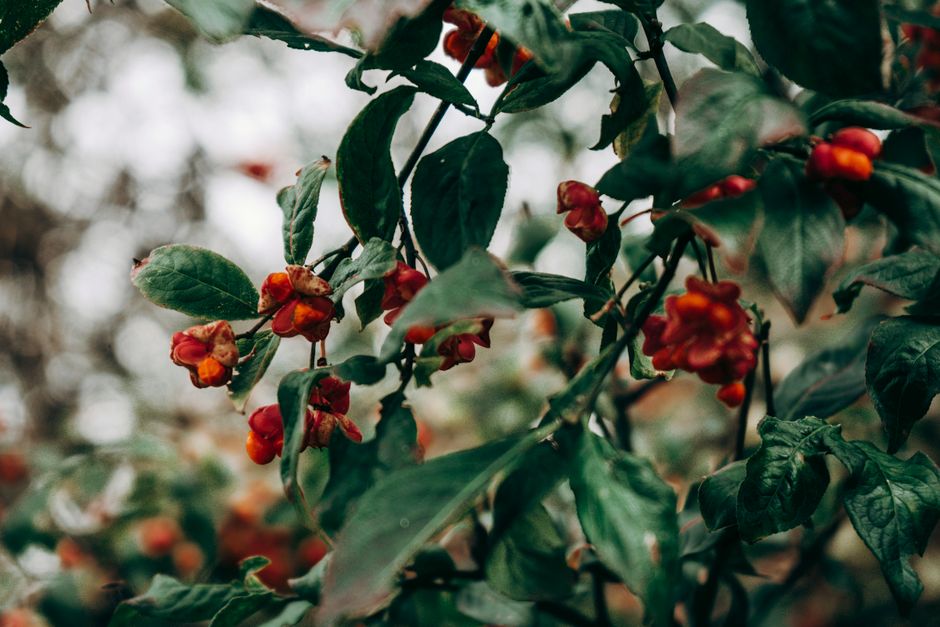
One safety point deserves attention. Euonymus species contain compounds that are toxic if ingested. The berries and other plant parts can cause stomach upset and other symptoms in people and pets. Keep this in mind if you have young children or animals that chew on plants, and consider whether it is the right choice for your yard.
This is a real concern, not a minor footnote. If you suspect ingestion, contact a poison control center or a veterinarian promptly.
Common Mistakes to Avoid
- Planting in deep shade, which causes leggy growth and weak leaf color
- Letting soil stay waterlogged, which invites root rot
- Planting too deep, covering the root flare
- Ignoring reverted green shoots until they dominate the plant
- Over-fertilizing, which reduces variegation and pushes weak growth
- Assuming the plant is safe to eat or letting pets chew on it
Frequently Asked Questions
How much sun does Euonymus Paloma Blanca need?
It grows best in full sun to partial shade. In hot climates, some afternoon shade helps prevent leaf scorch on the white variegated portions.
Is Euonymus Paloma Blanca toxic to dogs and cats?
Yes, Euonymus species contain compounds that are toxic if ingested by people and pets. Contact a veterinarian or poison control center if you suspect your animal has eaten any part of the plant.
How fast does Euonymus Paloma Blanca grow?
It is a moderate grower, and variegated forms typically grow a little slower than solid-green types because they contain less chlorophyll. Exact growth rates vary with climate, light, and soil.
Why is my Euonymus Paloma Blanca turning green?
Variegated plants sometimes produce entirely green shoots, a process called reversion. Cut those green stems back to where they join the main plant to keep the variegated appearance.
