
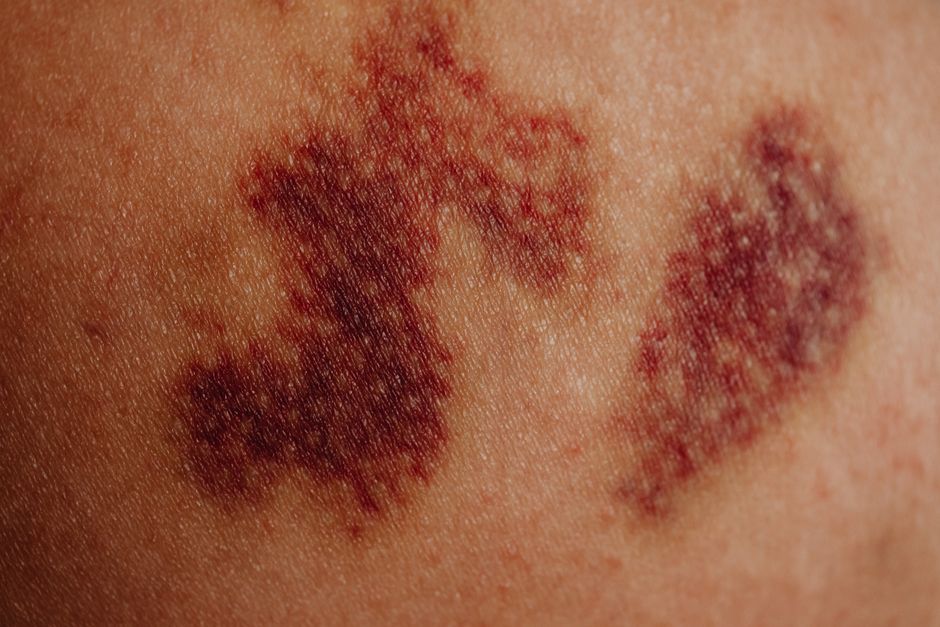
Staph infections are common, and so are steroid medications. If you have a staph infection, you need to know how these two interact. Steroids do not kill staph bacteria, and in most cases, they can make a staph infection worse by suppressing your immune system. The only time steroids might be part of treatment is under specific, doctor-supervised circumstances—usually involving severe inflammation or a condition like eczema—but that is the exception, not the rule. You should never use a steroid cream or take steroid pills for a suspected staph infection without explicit direction from a doctor.
What Does a Staph Infection Actually Do?
Staph is short for Staphylococcus, a type of bacteria that lives on the skin and in the noses of about 30% of healthy people. Most of the time, it causes no problems. But when it gets into a cut, a hair follicle, or a surgical wound, it can multiply and cause an infection.
The most common staph infections are skin infections. These can look like pimples, boils, or red, swollen, painful areas. Sometimes they fill with pus. In more serious cases, staph can enter the bloodstream, joints, bones, or lungs. These deep infections are dangerous and require urgent medical care.
The body fights staph using white blood cells. These cells travel to the infection site, attack the bacteria, and cause inflammation. That redness and swelling you see is your immune system working. It is a sign your body is fighting back.
How Do Steroids Affect the Body’s Defense?
Steroids, specifically corticosteroids like prednisone or hydrocortisone, are powerful anti-inflammatory drugs. They work by calming down the immune system. This is helpful for conditions where the immune system is overactive, like asthma, allergies, or autoimmune diseases.
But staph is a live bacteria. You need a fully active immune system to fight it. When you take a steroid, you are essentially putting a brake on your body’s defense forces. The white blood cells become less effective at killing the bacteria.
This creates a clear problem. The infection can spread faster and further than it normally would. A small boil could turn into a larger abscess. A skin infection could potentially spread to deeper tissues or the bloodstream.
Do Steroids Help Or Hurt A Staph Infection?
Steroids hurt the body’s ability to clear a staph infection. They do not kill bacteria. They do not stop the bacteria from multiplying. They only reduce the inflammation that your body is using to fight the infection.
Think of it this way: the redness and swelling are the smoke from a fire. Steroids put out the smoke, but the fire keeps burning. You might feel temporarily better because the area is less painful or less red. But the bacteria are still there, now with less opposition.
In fact, taking steroids can mask the signs of a worsening infection. If you take a steroid and the redness fades, you might think you are getting better. But the infection could be spreading underneath the skin, where you cannot see it. This delay in recognizing a serious infection can be dangerous.
The medical term for this is immunosuppression. It is a well-established effect of corticosteroid use. Even a short course of oral steroids or the application of a strong topical steroid can weaken local immune defenses enough to allow staph to grow.





When Would a Doctor Prescribe Both?
There are rare situations where a doctor might use steroids alongside antibiotics for a staph infection. This is not because the steroid treats the staph. It is because the inflammation itself is causing a separate problem.
One example is severe cellulitis, a deep skin infection. Sometimes the inflammation is so intense that it damages tissue or causes extreme pain. A short course of steroids might be used to reduce that specific inflammation while antibiotics kill the bacteria.
Another example involves eczema. People with eczema often have staph bacteria on their skin. The eczema causes intense itching and a damaged skin barrier. If a staph infection develops in an eczema patch, a doctor might prescribe an antibiotic to kill the bacteria and a steroid to calm the eczema. The steroid treats the eczema; the antibiotic treats the staph.
These are specific clinical decisions made by a doctor who is monitoring the situation closely. They are not situations you should manage on your own. The risk of using a steroid without an effective antibiotic is that the staph infection will flourish.
What Are the Risks of Using Steroids on a Staph Infection?
The primary risk is uncontrolled bacterial growth. When your immune system is suppressed, staph can multiply quickly. This can turn a minor infection into a major one.
Specific risks include:
- Abscess formation: A pocket of pus that may require surgical drainage.
- Spread to the bloodstream: A condition called bacteremia, which can be life-threatening.
- Sepsis: A severe, whole-body reaction to an infection that can cause organ failure.
- Antibiotic resistance: If the infection grows larger, it may require stronger antibiotics, and some staph strains are already resistant to common drugs.
There is also the risk of a condition called MRSA, or methicillin-resistant Staphylococcus aureus. This is a type of staph that does not respond to many standard antibiotics. If you have MRSA and you use a steroid, you are giving the resistant bacteria more time to spread before you get effective treatment.
What Should You Do If You Suspect a Staph Infection?
If you have a red, painful, swollen area on your skin that is getting worse, see a doctor. Do not try to treat it with leftover steroid cream from an old prescription. Do not take oral steroids you have at home.
If the infection is minor, the doctor may simply recommend cleaning the area and watching it. If it looks like a bacterial infection, they may prescribe an antibiotic. If there is a pus-filled abscess, they may need to drain it.
If you are already taking a steroid for another condition, such as asthma or arthritis, and you develop a skin infection, contact your doctor. Do not stop your steroid suddenly, as that can cause other health problems. But your doctor needs to know about the infection so they can monitor you closely.
You should also know the warning signs of a serious staph infection. These include a fever, chills, rapid breathing, confusion, or an infection that is spreading quickly. If you have any of these, seek emergency medical care immediately.
Can Steroid Creams Make a Staph Infection Worse?
Yes. Topical steroid creams are commonly used for rashes and itching. But if the rash is actually a staph infection, the cream can make things worse.
Many people have a tube of hydrocortisone cream at home. They might use it on a red, itchy spot, thinking it is eczema or an allergic reaction. If that spot is staph, the cream will reduce the inflammation and make it look less angry. But the bacteria will continue to grow.
This is a common reason why skin infections get worse before people seek help. The steroid hides the symptoms while the infection spreads. If you have a skin sore that is worsening, painful, or oozing fluid, a steroid cream is not the right choice.
There is no reliable way to tell a staph infection from other skin conditions just by looking at it. That is why it is important to have a doctor evaluate any suspicious skin sore, especially if it does not heal within a few days.
Frequently Asked Questions
Can I put hydrocortisone cream on a staph infection?
No. Hydrocortisone cream will reduce inflammation but will not kill the bacteria, allowing the infection to grow unchecked.
Why would a doctor prescribe steroids for an infection?
A doctor might prescribe steroids to control severe inflammation that is causing tissue damage, but only alongside an effective antibiotic.
What happens if I take prednisone with a staph infection?
Prednisone suppresses your immune system, which can make it harder for your body to clear the staph bacteria and may allow the infection to spread.
How can I tell if a skin sore is staph?
You cannot reliably tell by looking. A doctor may need to take a sample of the pus or fluid to confirm a staph infection.
