
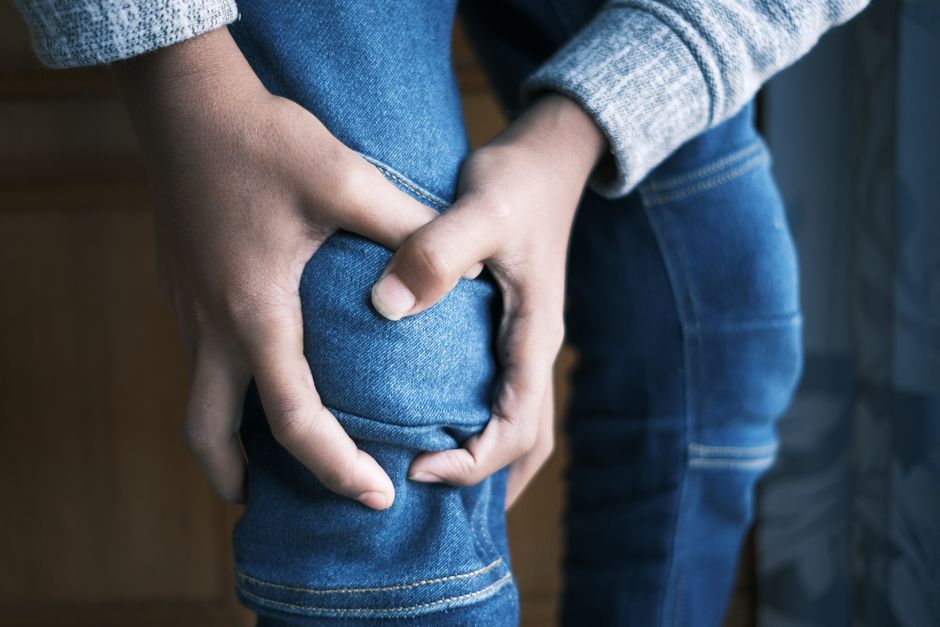
Statins are among the most commonly prescribed medications in the United States, taken by millions to lower cholesterol and reduce the risk of heart attacks and strokes. A frequently reported side effect is muscle pain, but many people also wonder whether their joint pain is linked to their statin. The short answer is that statins are not a well-established cause of joint pain, though the connection is complex and some people do report it.
What Are Statins and How Do They Work?
Statins work by blocking an enzyme in the liver called HMG-CoA reductase. This enzyme is responsible for producing cholesterol in the body. By reducing cholesterol production, statins lower LDL cholesterol levels — the “bad” cholesterol that can build up in arteries.
Lowering LDL cholesterol is proven to reduce the risk of cardiovascular events like heart attacks and strokes. This is why doctors prescribe statins to people with high cholesterol, a history of heart disease, or other risk factors like diabetes.
Common statins include atorvastatin, simvastatin, rosuvastatin, and pravastatin. They are generally well-tolerated, but like all medications, they can cause side effects.
Do Statins Cause Pain in Joints?
The short answer is that statins are not a well-established cause of joint pain. The most recognized and common side effect of statins is muscle pain, not joint pain. That said, some people do report joint discomfort while taking statins, and the relationship is not entirely straightforward.
Clinical trials and large observational studies have consistently identified muscle pain as a statin side effect. Joint pain, on the other hand, is not listed as a common adverse effect in the prescribing information for most statins. However, the absence of strong evidence does not mean the experience is not real for some individuals.
It is important to distinguish between muscle pain and joint pain. Muscle pain from statins typically feels like soreness, tenderness, or weakness in the muscles — often in the thighs, calves, or back. Joint pain is felt inside the joint itself, such as the knee, hip, or shoulder, and is often accompanied by stiffness or swelling.
Some people may have difficulty telling the two apart. Pain in the hip or shoulder, for example, could originate from the muscle surrounding the joint rather than the joint itself. This is one reason why the connection between statins and joint pain remains unclear.
What the Evidence Says About Statins and Joint Pain
Research on statins and joint pain is limited compared with research on muscle pain. Some studies have reported joint pain as a side effect in a small percentage of people taking statins. However, these reports are not consistent across trials, and the overall evidence does not confirm a strong causal link.
A few studies have suggested that statins might have anti-inflammatory effects on joints. Some researchers have even explored whether statins could help people with inflammatory joint conditions like rheumatoid arthritis. The results have been mixed, and statins are not currently recommended as a treatment for arthritis.
Other research has raised the possibility that statins could worsen joint symptoms in certain people, but this is not well established. The evidence is simply too limited to draw firm conclusions.
The most honest position is this: if you develop joint pain while taking a statin, it is possible the medication is involved, but it is far from certain. Many other factors are more likely to be the cause.





Other Causes of Joint Pain to Consider
Joint pain is extremely common, especially as people age. Before assuming your statin is the culprit, consider other likely causes.
Osteoarthritis is the most common cause of joint pain in adults over 40. It results from wear and tear on the cartilage that cushions the ends of bones. It typically affects the knees, hips, hands, and spine.
Other possible causes include:
- Rheumatoid arthritis or other autoimmune conditions
- Gout, which causes sudden severe pain often in the big toe
- Bursitis or tendinitis around a joint
- A previous injury that is now causing chronic discomfort
- Weight gain, which places additional stress on weight-bearing joints
Certain lifestyle factors can also contribute to joint pain. Lack of physical activity can lead to stiffness and weakness around joints. Poor sleep and chronic stress can amplify pain perception. Even weather changes can affect how joints feel for some people.
Muscle Pain vs. Joint Pain: Why the Distinction Matters
Understanding whether your pain is in the muscle or the joint matters for several reasons. It affects how your doctor approaches the problem, what tests might be ordered, and what treatment options make sense.
Muscle pain from statins is a well-documented phenomenon. It typically appears within weeks to months of starting the medication. The pain is often described as aching, soreness, or heaviness in the muscles, and it is usually symmetrical — affecting both sides of the body.
Joint pain, in contrast, is localized to the joint itself. It is often accompanied by stiffness, swelling, or reduced range of motion. The pattern of which joints are affected can provide clues about the underlying cause.
If your pain is truly in the muscles, your doctor may consider adjusting your statin dose, switching to a different statin, or exploring other cholesterol-lowering options. If the pain is in the joints, the treatment approach will depend on the underlying cause of the joint problem.
A simple way to help distinguish: if the pain worsens when you move the joint and improves with rest, it is more likely joint-related. If the pain is present even at rest and feels like deep soreness in the muscle tissue, it may be muscle-related.
When to Talk to Your Doctor
Do not stop taking your statin without talking to your doctor first. Stopping a statin suddenly can increase your risk of a cardiovascular event if you are taking it for heart disease prevention.
Make an appointment if you develop new joint pain or if existing joint pain worsens after starting a statin. Your doctor can help determine whether the medication is likely involved or whether another cause is more probable.
During your visit, be prepared to describe your symptoms clearly:
- Where exactly is the pain located?
- When did it start relative to starting the statin?
- Does anything make it better or worse?
- Is there swelling, redness, or warmth around the joint?
- Have you had joint pain before?
Your doctor may order blood tests to check for inflammation markers or rule out conditions like gout or rheumatoid arthritis. Imaging such as X-rays may be useful if osteoarthritis is suspected.
In some cases, your doctor may suggest a trial period off the statin to see if symptoms improve. This should only be done under medical supervision. If the pain resolves after stopping the medication and returns when it is restarted, that is stronger evidence the statin is involved.
What to Do If You Think Your Statin Is Causing Joint Pain
If you and your doctor determine that your statin is likely contributing to joint pain, there are several options to consider.
Your doctor may suggest switching to a different statin. Different statins are metabolized differently in the body, and some people tolerate one statin better than another. For example, pravastatin and rosuvastatin are sometimes better tolerated than simvastatin or atorvastatin, though this varies from person to person.
Another option is lowering the dose. Lower doses are associated with fewer side effects, though they may also provide less cholesterol-lowering benefit.
For people who cannot tolerate any statin, there are alternative medications for lowering cholesterol. These include ezetimibe, PCSK9 inhibitors, and bempedoic acid. These options have their own benefits and risks, and they are not appropriate for everyone.
It is worth noting that for many people, the cardiovascular benefit of taking a statin far outweighs the risk of side effects. Statins have been proven to reduce the risk of heart attacks, strokes, and death from cardiovascular disease. This is not a decision to make lightly or without medical guidance.
Managing Joint Pain While Taking Statins
If your joint pain is mild and you and your doctor decide to continue the statin, there are ways to manage the discomfort.
Over-the-counter pain relievers like acetaminophen or nonsteroidal anti-inflammatory drugs (NSAIDs) such as ibuprofen or naproxen can help. Always check with your doctor or pharmacist before adding any new medication, as NSAIDs can interact with other drugs and may not be safe for everyone.
Gentle exercise can help maintain joint mobility and strengthen the muscles around the joint. Low-impact activities like swimming, cycling, and walking are generally well-tolerated. Physical therapy can be helpful for specific joint problems.
Applying heat or cold to the affected joint can provide temporary relief. Heat helps relax muscles and improve blood flow. Cold reduces inflammation and numbs pain.
Maintaining a healthy weight is one of the most effective ways to reduce joint pain, particularly in weight-bearing joints like the knees and hips. Even modest weight loss can make a meaningful difference.
Frequently Asked Questions
Can statins cause joint pain?
Statins are not a well-established cause of joint pain, though some people do report it. The most common statin side effect is muscle pain, which can sometimes be confused with joint pain.
How long after starting statins do side effects appear?
Muscle pain from statins typically appears within weeks to months of starting the medication. If you develop joint pain, it may or may not be related to the statin, and timing alone cannot confirm the connection.
Should I stop taking statins if I have joint pain?
Do not stop taking your statin without talking to your doctor first. Stopping suddenly can increase your cardiovascular risk if you are taking the medication for heart disease prevention.
What is the difference between statin muscle pain and joint pain?
Statin muscle pain feels like soreness, tenderness, or weakness in the muscle tissue itself. Joint pain is felt inside the joint and is often accompanied by stiffness, swelling, or reduced range of motion.
