
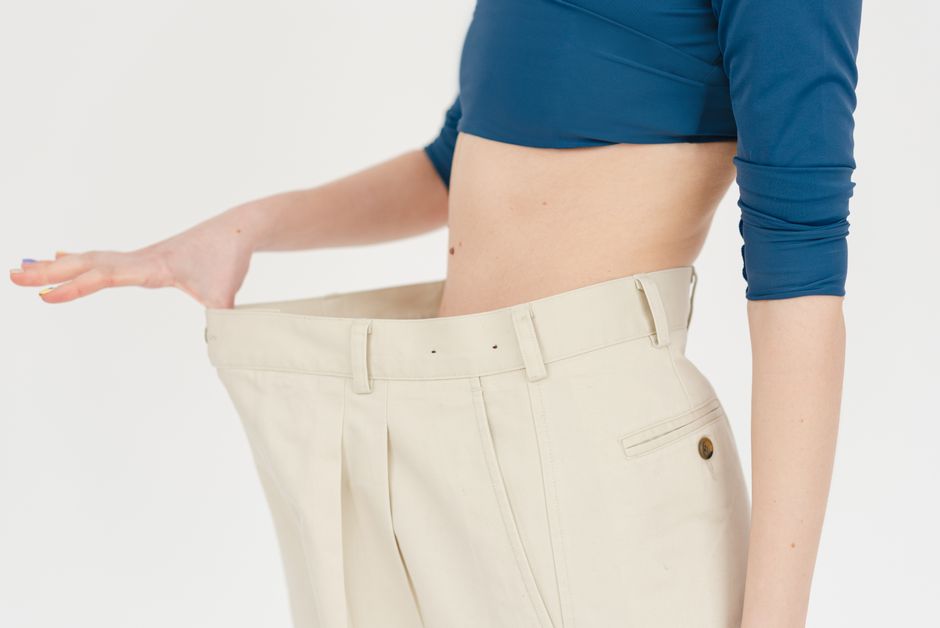
No. Sit-ups do not burn belly fat. They strengthen the abdominal muscles, but spot reduction — the idea that exercising one body part burns fat from that same area — is not how the human body works. Fat is stored and released systemically, under the control of hormones and overall energy balance, not according to which muscle you happen to be working.
That answer surprises people because sit-ups feel like they are doing something targeted. They are. They target the rectus abdominis, the muscle that runs down the front of your torso. What they cannot do is choose where the fat comes off your body. That decision is made by your physiology, not your workout.
Why Can’t You Target Fat on Your Belly?
Fat cells release stored energy in response to hormones circulating throughout your bloodstream, not in response to nearby muscle activity. When your body needs fuel, it mobilizes fatty acids from fat stores across your body. The proportion that comes from your abdomen versus your hips, thighs, or arms is determined by genetics, sex, age, and hormone levels.
This is why thousands of crunches can build a strong core while leaving a layer of fat sitting right on top of it. The muscle underneath gets firmer. The fat above it does not move unless your overall energy balance changes.
Researchers have tested spot reduction directly. Studies that put people through weeks of resistance training for one limb generally find that fat loss, when it occurs, happens across the body rather than concentrating in the trained area. The evidence does not support the idea that working a muscle burns the fat sitting over it.
There is one clarification worth making. Blood flow does increase to muscles you are actively using, and some early research has looked at whether fat breakdown rises locally during exercise. Even where that has been observed, it has not translated into measurable fat loss in that specific spot over time. A temporary local change is not the same as visible fat reduction.
What Do Sit-ups Actually Do?
Sit-ups train your abdominal muscles, and that matters for reasons that have nothing to do with fat. A stronger core supports your spine, helps with posture, and contributes to stability during everyday movement and other exercise.
The abdominal muscles themselves are a normal part of your anatomy. Everyone has them. What varies is how much fat sits over them and how developed the muscle is. A visible “six-pack” is not evidence of a strong core, and a soft midsection is not evidence of a weak one.
The rectus abdominis is one muscle group among several. Your core also includes the transverse abdominis, the internal and external obliques, and the muscles of the lower back and pelvis. Sit-ups emphasize the rectus abdominis and the hip flexors. They are a narrow tool for a job that involves your whole trunk.
There is also a practical downside. Repeated full sit-ups, especially with your hands behind your head pulling on your neck, load the lower back and cervical spine. Many fitness and rehabilitation professionals now favor alternatives like planks, dead bugs, and bird dogs. These train core stability with less strain on the spine. This is common practice rather than a conclusion drawn from large head-to-head trials, but the reasoning is sound and widely accepted.
How Do You Actually Lose Belly Fat?
Belly fat comes off the same way fat anywhere else does: through a sustained energy deficit, meaning you burn more calories than you take in over time. How you create that deficit matters less than whether you can maintain it.
Three levers do most of the work:
- Eating patterns. Reducing total calorie intake is the most direct route. The specific diet matters less than adherence. Whether that is Mediterranean-style eating, lower-carb, or simple portion control, the pattern you can stick with is the one that works.
- Physical activity. Aerobic exercise burns calories and supports cardiovascular health. Resistance training helps preserve muscle mass, which matters because muscle tissue uses energy even at rest. Combining both tends to work better than either alone.
- Sleep and stress. Chronic short sleep and ongoing stress are associated with higher levels of cortisol and with fat accumulating around the abdomen. The relationship is well documented, though the exact mechanisms are still being studied.
Notice what is not on that list: any specific exercise for the belly. You cannot crunch your way to a flatter stomach, but you can build muscle underneath while losing fat overall, and the combination changes how your midsection looks.





Does Belly Fat Need Special Attention?
Yes, but not for cosmetic reasons. Fat stored deep in the abdomen, called visceral fat, sits around your internal organs. It behaves differently from fat stored just under the skin. Visceral fat is metabolically active and is linked to higher risk of type 2 diabetes, heart disease, and other conditions.
Waist circumference is a practical way to track this. For women, a waist measurement above 35 inches and for men above 40 inches is generally considered elevated risk, based on established clinical guidance. These are screening thresholds, not diagnoses, and they vary somewhat by population and guideline source.
This is where the real argument for addressing belly fat lives. It is not about how your stomach looks in a shirt. It is about what the fat around your organs is doing to your metabolic health. That framing is worth keeping in mind when the mirror is discouraging.
Can You Reduce Belly Fat Without Exercise?
Yes, largely. Fat loss is driven primarily by energy balance, and it is entirely possible to lose fat through dietary changes alone. Exercise adds cardiovascular benefits, helps preserve muscle, and supports weight maintenance, but it is not strictly required for fat loss.
That said, people who lose weight through diet alone tend to lose muscle along with fat unless they are doing some form of resistance training. Since muscle helps determine your resting metabolic rate, preserving it makes maintaining weight loss easier over time.
What does not work is trying to out-train a poor diet. An hour of moderate exercise might burn a few hundred calories. A single large restaurant meal can easily exceed that. Exercise is a poor tool for creating a calorie deficit on its own and a good tool for supporting one you create with food.
Are There Exercises That Help More Than Sit-ups?
For fat loss, any activity that raises your heart rate and burns calories helps. Walking, cycling, swimming, and jogging all qualify. The best one is the one you will do consistently, because consistency is what produces results over months, not days.
For core strength specifically, exercises that resist movement rather than create it tend to be more effective and safer for the spine. Planks, side planks, dead bugs, and bird dogs all fall into this category. They teach your core to stabilize your trunk, which is closer to what your core actually does in daily life.
If your goal is a stronger midsection, train your core with a variety of movements. If your goal is a leaner midsection, focus on your overall energy balance and let the fat come off where your body decides to take it from. Those are two different goals, and sit-ups only serve one of them.
What Should You Realistically Expect?
Fat loss takes time, and the abdomen is often one of the last places people see visible change. This is frustrating but normal. Early fat loss tends to show in the face, hands, and limbs before the midsection, and the pattern is largely genetic.
No exercise, supplement, or device has been shown to selectively remove belly fat. Products that claim otherwise are not supported by clinical evidence. If something promises targeted fat loss, that claim does not hold up.
The honest picture is this: sit-ups build abdominal strength, and that is a legitimate benefit. They do not burn belly fat, and no amount of them will. Fat loss comes from sustained changes to how you eat, move, and sleep, and it happens across your whole body. That is slower and less satisfying than a targeted fix, but it is what the evidence supports.
Frequently Asked Questions
Do sit-ups burn belly fat?
No. Sit-ups strengthen the abdominal muscles but do not burn fat from the belly specifically, because fat loss happens systemically rather than in the area you exercise.
How many sit-ups a day to lose belly fat?
No number of sit-ups will reduce belly fat, because spot reduction does not occur. Fat loss depends on overall energy balance, not on repetitions of any single exercise.
What burns belly fat the fastest?
No exercise burns belly fat faster than any other. Sustained calorie deficit through diet and activity is what reduces fat overall, and the abdomen is often one of the last areas to show change.
Can you lose belly fat without exercise?
Yes. Fat loss is driven mainly by energy balance, so dietary changes alone can reduce belly fat. Exercise adds cardiovascular and muscle-preserving benefits but is not strictly required.
