
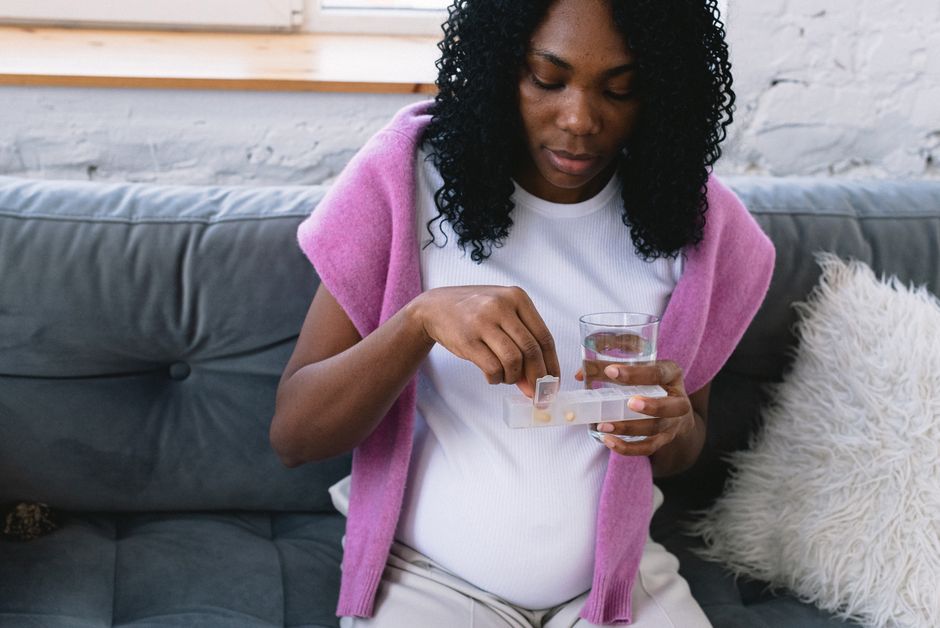
The short answer is no. Prenatal vitamins are not a hair growth treatment, and no clinical evidence shows they make hair grow faster or thicker in people who are not pregnant. The confusion comes from pregnancy itself, not the pill.
Many women notice thicker, fuller hair during pregnancy. It is easy to connect that change to the prenatal vitamin they started taking at the same time. But the timing is a coincidence, not a cause. The hair change comes from shifting hormones, and it fades after delivery whether or not a woman keeps taking the same vitamin.
That does not mean prenatal vitamins are useless for hair. If you are deficient in certain nutrients, correcting that deficiency can help restore normal hair growth. The key word is deficient. For someone who already gets enough of these nutrients, adding more does not push hair growth above its natural baseline.
Why Does Pregnancy Change Hair So Much?
Pregnancy raises levels of estrogen and progesterone, and this shifts a large share of hair follicles into the growing phase. Hair normally cycles through growth, transition, and rest. At any given time, most people have a mix of follicles in each stage. Higher hormone levels during pregnancy keep more follicles in the growth phase and delay the shedding phase.
The result is that hair looks thicker and sheds less. This is a well-documented physiological effect of pregnancy, not a benefit of any supplement.
After delivery, hormone levels drop quickly. All those follicles that were held in the growth phase move into the resting and shedding phases at roughly the same time. This causes a noticeable wave of hair loss, usually starting a few months after birth and easing over the following months. Clinicians call this postpartum telogen effluvium, and it is a normal, temporary shedding event.
This timeline matters for understanding the vitamin question. If prenatal vitamins drove hair growth, the hair would not fall out so dramatically after birth while many women are still taking them. The hormone shift explains both the growth during pregnancy and the shedding afterward. The vitamin does not.
Do Prenatal Vitamins Promote Hair Growth on Their Own?
No. There is no clinical evidence that prenatal vitamins stimulate hair growth in people who are not nutrient deficient. The ingredients in a prenatal vitamin are chosen to meet the increased nutritional needs of pregnancy, not to act on hair follicles.
A prenatal vitamin typically contains higher amounts of certain nutrients than a standard multivitamin. These include folate, iron, calcium, vitamin D, and iodine, among others. The doses are set to support fetal development and maternal health during pregnancy. They are not set for hair.
Hair is made of protein and grows from follicles that need a steady supply of nutrients to function. When the body has enough, adding extra does not speed up growth. Nutrients work more like a light switch than a dimmer. They support normal function when present in adequate amounts, but beyond that point, more does not equal better.
This is the central point that marketing tends to blur. A product can contain nutrients that are involved in hair biology without doing anything for hair in a well-nourished person.
What About the Specific Nutrients Linked to Hair?
Several nutrients in prenatal vitamins do play a role in normal hair growth. The important distinction is between correcting a deficiency and enhancing growth in someone who is not deficient.
- Iron. Iron deficiency is a well-established cause of hair shedding. When iron stores are low, hair can thin and shed more than usual. Correcting the deficiency can help reverse this. But taking iron when levels are normal does not boost growth.
- Zinc. Severe zinc deficiency can cause hair loss. This is uncommon in people eating a varied diet. Zinc supplementation beyond normal needs has not been shown to improve hair growth.
- Vitamin D. Low vitamin D has been associated with certain types of hair loss in some studies. Whether supplementing improves hair growth in people who are not deficient is not established.
- B vitamins, including biotin. Biotin deficiency can cause hair loss, but it is rare. In people who are not deficient, biotin supplements have not been shown to grow hair. This is one of the most oversold nutrients in the hair supplement market.
- Folate. Folate is essential for cell division, and hair follicles divide rapidly. Still, there is no evidence that extra folate beyond normal needs increases hair growth.
The pattern is consistent across all of them. These nutrients matter when you lack them. They do not act as growth boosters when you have enough.



Why Do So Many People Believe Prenatal Vitamins Grow Hair?
The belief spreads because of a real observation paired with a wrong explanation. Women take prenatal vitamins, their hair looks better during pregnancy, and the two get linked in their minds. That experience feels convincing, and it gets shared widely.
There is also a strong marketing current underneath it. The hair supplement industry is large, and prenatal vitamins sit close to it on the shelf. Biotin, collagen, and similar products are marketed for hair with claims that outrun the evidence. When a nutrient appears in both a prenatal vitamin and a hair gummy, the association feels confirmed.
Another factor is that hair growth is slow and hard to judge. Hair grows roughly half an inch per month on average. Over a few months, small changes are easy to misread, and people tend to credit whatever they started taking around the same time. This is why personal stories about hair supplements are unreliable, even when the person is being completely honest.
What looks like proof to one person is often just the natural cycle of hair plus the pull of expectation.
Can a Prenatal Vitamin Help If You Have a Deficiency?
Yes, and this is the one situation where the answer changes. If you have a genuine nutrient deficiency that is causing hair shedding, correcting it can help your hair return to its normal growth pattern.
Iron deficiency is the most common example. It is also more common in women of reproductive age than many people realize. A doctor can check iron levels with a blood test and confirm whether low iron is contributing to hair loss. If it is, treatment is guided by those results.
Here is where a prenatal vitamin is a blunt tool. It contains many nutrients at set doses. It is not designed to treat a specific deficiency, and it may not contain enough of the nutrient you actually need. A prenatal vitamin is also not the right product for someone who is not pregnant or trying to conceive. Taking one for hair reasons means taking a formula built for a different purpose.
If you suspect a deficiency, the useful step is testing, not guessing. A clinician can identify what is low and recommend the right amount of the right nutrient. Self-treating with a prenatal vitamin can delay that and may not address the real cause.
What Actually Causes Hair Thinning?
Hair thinning has many causes, and most of them have nothing to do with vitamins. Understanding the common ones helps explain why a prenatal vitamin is unlikely to be the answer.
- Androgenetic alopecia. This is the most common form of hair loss and is driven by genetics and hormones. It is not a nutritional problem, and vitamins do not reverse it.
- Telogen effluvium. A stress response that pushes many follicles into the shedding phase at once. It can follow illness, major stress, surgery, rapid weight loss, or childbirth. It is usually temporary.
- Thyroid conditions. Both an underactive and an overactive thyroid can cause hair shedding. This is identified with blood tests.
- Iron deficiency. A common and correctable cause of shedding in women.
- Medications. Some prescription drugs list hair loss as a side effect.
- Age and hormonal shifts. Hair density tends to decline with age, and menopause is associated with changes in hair.
Notice how few of these are solved by a supplement. The most common cause, genetic hair loss, is not nutritional at all. This is why a prenatal vitamin is a poor match for most people dealing with thinning hair.
What Should You Do If You Are Losing Hair?
Start with a clinician rather than a supplement. Hair loss has many causes, and the right response depends on which one applies to you. A doctor can take a history, examine your scalp and hair, and order blood tests when a nutritional or thyroid cause is suspected.
Testing matters because it separates the people who might benefit from a nutrient from those who will not. If iron or another nutrient is low, correcting it can help. If levels are normal, adding more will not. If the cause is genetic, the conversation shifts to treatments that actually target that mechanism.
Be cautious with hair supplements that promise growth. Many rely on nutrients your body already has enough of, and the evidence for growth in well-nourished people is weak or absent. A supplement is not a substitute for finding out what is actually going on.
If you are pregnant or trying to conceive, prenatal vitamins are recommended for reasons that have nothing to do with hair. They support the nutritional needs of pregnancy and fetal development. Take them for that reason. Do not expect them to change your hair, and do not take them for hair if you are not pregnant.
Frequently Asked Questions
Do prenatal vitamins make your hair grow?
No. There is no clinical evidence that prenatal vitamins promote hair growth in people who are not nutrient deficient. The thicker hair many women notice during pregnancy comes from hormone changes, not the vitamin.
Why is my hair thicker during pregnancy?
Higher estrogen and progesterone levels during pregnancy keep more hair follicles in the growth phase and reduce shedding. This is a normal hormonal effect, and it reverses after delivery when hormone levels drop.
Can prenatal vitamins help with hair loss?
Only if you have a nutrient deficiency that is causing the loss, such as low iron. If your nutrient levels are normal, a prenatal vitamin will not stop or reverse hair loss.
Is biotin in prenatal vitamins good for hair?
Biotin deficiency can cause hair loss, but it is rare. In people who are not deficient, biotin supplements have not been shown to grow hair.
