
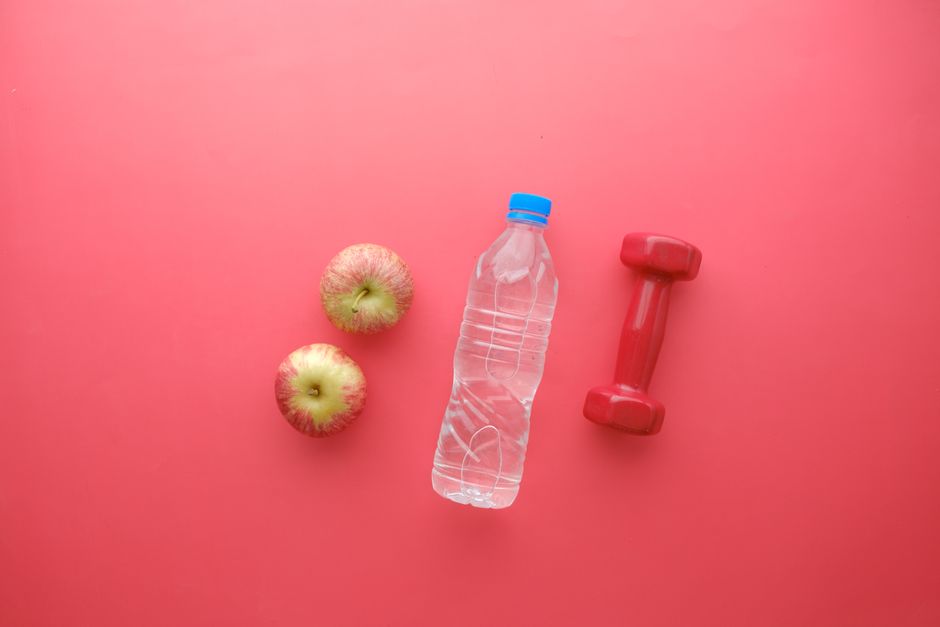
If you drink from plastic water bottles every day, you have probably seen headlines claiming they lower testosterone. The short answer: there is no direct evidence that using plastic water bottles lowers testosterone in men. The longer answer involves a class of chemicals called phthalates, which are used to make some plastics flexible, and which have been studied for their effects on hormones. Whether typical bottle use delivers enough of these chemicals to matter is a different question from whether the chemicals can affect hormones at all.
Do Plastic Water Bottles Lower Testosterone?
No study has directly measured testosterone levels in men before and after switching to or away from plastic water bottles. That specific experiment has not been done in a way that supports a clear answer.
What researchers have studied is the relationship between phthalate exposure and hormone levels in the general population. Phthalates are a family of chemicals used in some plastics, personal care products, and food packaging. Some phthalates are known to interfere with the body’s hormone systems in laboratory studies and animal research. This is why they are called endocrine-disrupting chemicals.
The key distinction is between hazard and risk. A substance can have the potential to disrupt hormones at some dose without causing harm at the levels most people encounter. For water bottles specifically, the exposure route matters a lot, and that is where the popular claims tend to fall apart.
What Is Actually in Plastic Water Bottles?
Most single-use water bottles are made from a plastic called PET, short for polyethylene terephthalate. PET is not made with phthalates. That is a point often lost in the headlines.
The confusion comes from the fact that phthalates are used in other plastics, like PVC, and sometimes in the caps or labels of bottles. But the bottle itself, the part holding your water, is typically PET and does not require phthalates to be flexible.
That does not mean PET bottles are chemically inert. They can release small amounts of other substances, particularly when heated. Antimony, a metal used as a catalyst in PET production, can leach into water at higher temperatures. The amounts are generally very small and regulated, but the takeaway is simple: heat is the main thing that increases what leaches out of a plastic bottle.
So when someone says plastic water bottles contain hormone-disrupting chemicals, the accurate response is that the main bottle plastic does not contain the phthalates most often linked to hormone effects. Other plastics used in food storage and some reusable bottles may be a different story.
How Do Phthalates Affect Testosterone?
Phthalates can interfere with the body’s endocrine system, and testosterone is part of that system. The evidence for this comes largely from animal studies and from human studies measuring phthalate breakdown products in urine alongside hormone levels.
Some human studies have found associations between higher phthalate exposure and lower testosterone or other markers of male reproductive health. Others have found weaker or inconsistent links. The evidence is mixed, and association does not prove that phthalates caused the hormone differences. People with higher phthalate exposure may differ in other ways that also affect hormones.
There is stronger evidence in a specific context: occupational exposure. Men who work with high levels of certain chemicals, including some phthalates, in industrial settings have shown measurable effects on reproductive hormones in some studies. That is a very different level of exposure than drinking from a water bottle.
The honest summary is that phthalates can affect hormone systems, the human evidence is mixed, and the doses studied in occupational settings are not comparable to everyday bottle use.





Does the Dose From Bottles Matter?
This is the question that decides the whole issue, and it is where most popular claims skip the math. A chemical can be capable of disrupting hormones and still be present at levels far too low to produce a measurable effect.
Estimates of phthalate exposure from drinking water stored in PET bottles are generally low compared with exposure from other sources. Food packaging, personal care products, dust, and certain medical devices are more common routes of phthalate exposure for most people.
That is the non-obvious point here. If you are worried about phthalate exposure, your water bottle is probably not the main source. Focusing only on bottles may miss the bigger contributors.
Heat and time increase leaching from plastics. Leaving a bottle in a hot car or reusing a bottle many times can increase what gets into the water. This is a reasonable reason to avoid letting plastic bottles get hot, but it is not evidence that room-temperature bottle use lowers testosterone.
Are BPA-Free Bottles Safer for Hormones?
BPA, or bisphenol A, is a different chemical from phthalates, and it has its own hormone-related research history. It is used in some polycarbonate plastics and in the linings of certain food and drink cans.
BPA-free does not mean hormone-free. Some products replaced BPA with related compounds such as BPS, and research suggests these substitutes may have similar hormone-interfering properties. The label tells you one specific chemical was removed. It does not tell you the replacement is inert.
For water bottles, this matters less than people think, because most single-use bottles are PET and do not contain BPA in the first place. BPA concerns apply more to certain reusable polycarbonate bottles and to canned beverages and foods.
What Actually Affects Testosterone?
Testosterone levels are influenced by things with much stronger evidence behind them than water bottle material. If you are concerned about your testosterone, these are the factors worth attention.
- Sleep: Most testosterone production happens during sleep. Chronic sleep deprivation is linked to lower testosterone.
- Body weight: Higher body fat, particularly around the abdomen, is associated with lower testosterone.
- Age: Testosterone declines gradually with age, typically starting in the 30s.
- Medical conditions: Obesity, type 2 diabetes, obstructive sleep apnea, and some pituitary or testicular conditions can lower testosterone.
- Medications: Opioids, glucocorticoids, and some other drugs can affect testosterone levels.
- Alcohol and substance use: Heavy alcohol use and anabolic steroid use can suppress natural testosterone production.
None of these is a reason to ignore chemical exposure entirely. They are simply the factors where the evidence for a real effect on testosterone is much stronger than anything established for water bottles.
Should You Switch Away From Plastic Bottles?
There is no strong clinical evidence that switching from plastic to glass or stainless steel water bottles will raise your testosterone. Anyone who tells you otherwise is going beyond what the research shows.
That said, there are reasonable non-hormonal reasons some people choose alternatives. Reducing single-use plastic has environmental benefits. Avoiding plastic bottles that have been heated or stored for long periods is a reasonable precaution, even without proof of harm. And some people simply prefer the taste of water from glass or steel.
If you decide to switch, do it for reasons that hold up. Not because a headline promised a hormone boost that no study has demonstrated.
If you have genuine concerns about low testosterone, the useful step is talking to a doctor about testing. Symptoms like persistent fatigue, low sex drive, and changes in mood or body composition are worth evaluating. A blood test can measure testosterone directly. Guessing based on what you drink is not a reliable approach.
Frequently Asked Questions
Do plastic water bottles lower testosterone?
No study has directly shown that using plastic water bottles lowers testosterone in men. The chemicals most often linked to hormone effects, phthalates, are generally not used to make the PET plastic that most single-use bottles are made from.
What chemicals in plastic affect hormones?
Phthalates and bisphenol A (BPA) are the two most studied, and both have shown hormone-related effects in laboratory and animal research. Human evidence is mixed, and exposure levels from typical water bottle use are generally low.
Is it safe to drink water from plastic bottles every day?
Regulatory agencies consider PET water bottles safe for normal use at room temperature. The main practical caution is heat, since higher temperatures can increase how much leaches from the plastic.
Do BPA-free bottles still contain hormone-disrupting chemicals?
Possibly. Some BPA-free products use related compounds like BPS, and research suggests these may have similar hormone-interfering properties. BPA-free means one specific chemical was removed, not that the product is free of all hormone-active substances.
