
Muscle stimulators, also called electronic muscle stimulators (EMS) or abdominal toning belts, do not burn fat on their own. The science is clear: you cannot lose fat in one specific spot without losing it from your whole body. These devices make muscles contract using electrical impulses, but that contraction is not intense enough or long enough to create the calorie deficit required for fat loss. If you are asking whether these devices can replace diet and exercise, the answer is no. If you are asking whether they have any legitimate use at all, the answer is more complicated and worth exploring.
How Do Muscle Stimulators Actually Work?
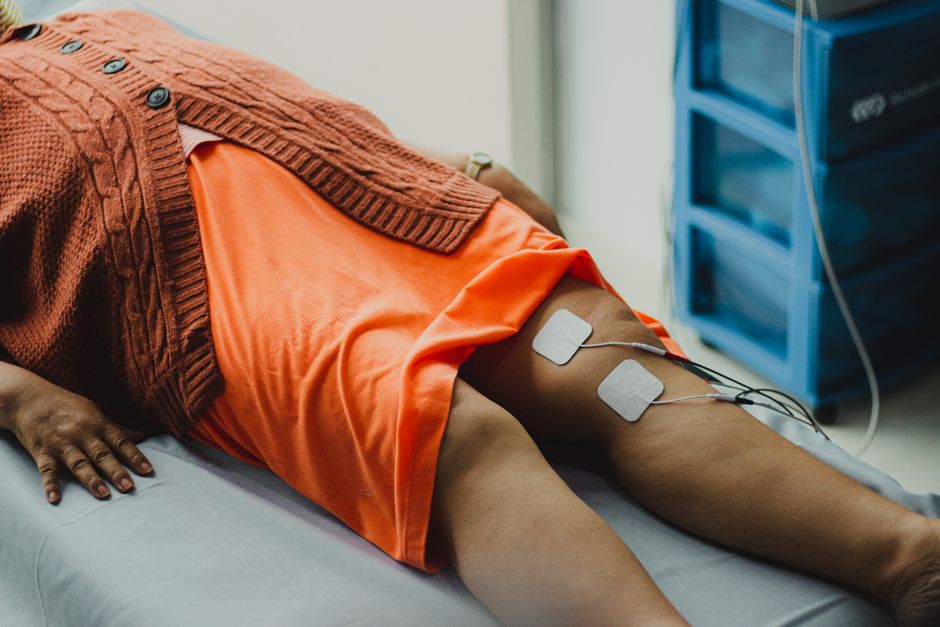
Muscle stimulators send electrical signals through pads placed on your skin. Those signals cause your motor nerves to fire, which makes your muscles contract involuntarily. This is the same principle behind the devices physical therapists use to help patients regain muscle function after injury or surgery.
The key detail is that your brain is not telling the muscle to move. The device is. That means your body is not doing the metabolic work it normally does when you exercise voluntarily. Your heart rate does not rise the same way. Your breathing does not increase the same way. And the number of calories you burn is far lower than what you would burn during actual exercise.
Some research suggests that EMS can produce small increases in muscle strength when used consistently over weeks. But those studies typically involve healthy, trained individuals using high-intensity protocols under supervision. The belts sold for home use are generally much weaker and do not replicate those conditions.
Why Spot Reduction Is a Myth
Fat loss happens systemically. When your body needs energy, it breaks down fat stores from all over your body, not just the area being stimulated. This is a well-established principle of human physiology.
The idea that zapping your abdominal muscles will melt belly fat is called spot reduction. Decades of research have consistently failed to support it. Your body decides where it loses fat based on genetics, hormones, and overall energy balance. You cannot override that by targeting one area with electrical stimulation.
Even if the device makes your muscles contract and feel firmer temporarily, that is not the same as losing fat. A muscle contraction can cause a temporary increase in blood flow to the area, which might make the skin look slightly tighter for a short time. That effect fades within hours.
What the Research Shows About EMS and Fat Loss
Clinical studies on EMS have focused mostly on muscle strength and recovery, not fat loss. The evidence for fat reduction is thin. Some small studies have shown modest changes in waist circumference, but those results are inconsistent and often difficult to interpret because the measurement methods vary.
One genuine finding from research is that EMS can activate muscles more deeply than voluntary contraction alone in some cases. Physical therapists use this to help patients who cannot voluntarily contract a muscle due to injury or neurological conditions. That is a legitimate medical use. It is not evidence that the device burns fat.
No large, well-controlled human trial has demonstrated that using a muscle stimulator causes significant fat loss. Marketing materials often cite studies that are small, poorly designed, or funded by the device manufacturers themselves. Treat those claims with skepticism.





Do Muscle Stimulators Work to Burn Fat or Just Build Muscle?
Muscle stimulators may have a limited role in muscle activation, but they do not build muscle the way weight training does. Building muscle requires progressive overload. That means you must challenge the muscle with increasing resistance over time. EMS devices provide a fixed level of stimulation that does not increase as you get stronger.
Some research suggests EMS can improve muscle strength in people who are already trained. But the gains are small compared to what you get from regular resistance training. For someone who does not exercise at all, an EMS belt is not going to produce visible muscle growth.
There is also a question of safety. Using a muscle stimulator at high intensity can cause muscle soreness, skin irritation, or even muscle damage if used improperly. People with pacemakers, defibrillators, or other implanted electronic devices should never use these products. Pregnant women should also avoid them because the safety data is insufficient.
What Actually Burns Fat?
Fat loss requires a sustained calorie deficit. You must burn more calories than you consume over a period of time. There is no shortcut around this basic principle of energy balance.
Exercise helps by increasing the number of calories you burn. Resistance training helps preserve muscle mass while you lose fat. Cardiovascular exercise improves heart health and burns calories. None of these require a muscle stimulator.
Diet matters more than exercise for weight loss. Reducing portion sizes, cutting back on sugary drinks, and eating more vegetables and lean protein are proven strategies. No electrical device can compensate for a diet that provides more calories than your body needs.
Are There Any Legitimate Uses for Muscle Stimulators?
Yes, but they are medical uses, not cosmetic ones. Physical therapists use EMS to help patients recover from surgery, prevent muscle atrophy during immobilization, and retrain muscles after neurological injuries. These applications are supported by clinical evidence and are performed under professional supervision.
Some athletes use EMS as a recovery tool after intense training sessions. The evidence here is mixed. Some studies suggest it may help reduce muscle soreness, while others show no benefit. It is not a substitute for rest, hydration, and proper nutrition.
For the average person looking to lose weight or tone their body, a muscle stimulator is not a worthwhile investment. The money would be better spent on a gym membership, a set of dumbbells, or a consultation with a registered dietitian.
The Bottom Line on Muscle Stimulators
Muscle stimulators do not burn fat. They do not cause spot reduction. They do not replace exercise or diet. The claims made in advertisements for these devices are not supported by solid scientific evidence.
If you enjoy using one and understand that it is not helping you lose fat, that is your choice. But if you are buying one expecting it to shrink your waistline or melt belly fat, you will be disappointed. The only proven path to fat loss is a calorie deficit achieved through diet and physical activity.
Frequently Asked Questions
Can muscle stimulators reduce belly fat?
No. No clinical evidence shows that muscle stimulators reduce belly fat. Fat loss occurs throughout the body, not in one targeted area.
Are abdominal toning belts safe to use?
They are generally safe for healthy adults when used according to instructions, but they can cause skin irritation or muscle soreness. People with pacemakers, defibrillators, or other implanted devices should not use them.
Do muscle stimulators build abs?
They can cause muscle contractions, but they do not build visible abdominal muscles. Building muscle requires progressive resistance training, which these devices do not provide.
How often should you use a muscle stimulator?
Manufacturer instructions vary, but using one more than 20 to 30 minutes a day is not recommended. There is no evidence that longer sessions produce better results.
