
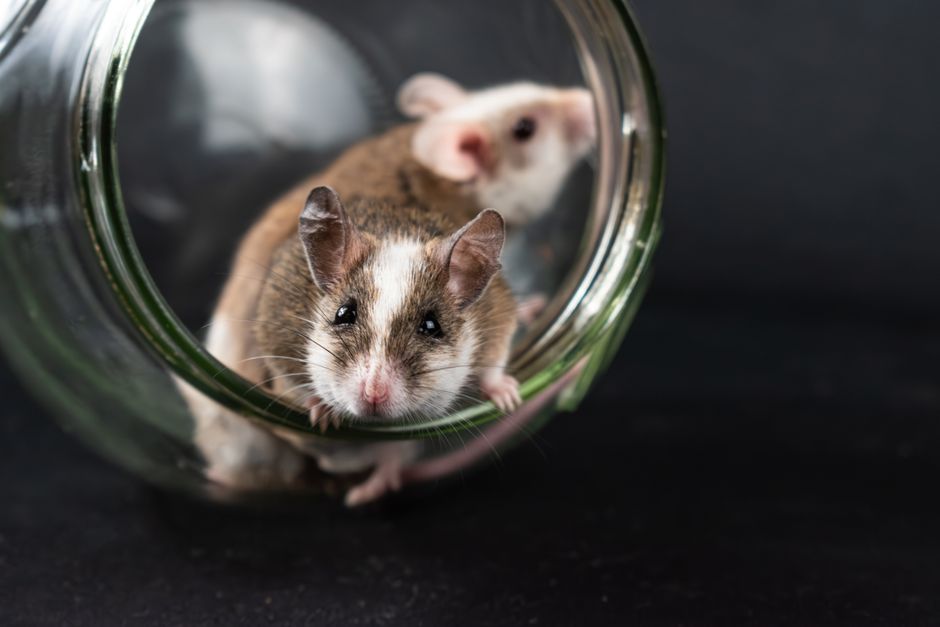
Rabies is one of the most feared diseases in the world, and for good reason. It is almost always fatal once symptoms appear. But when people see a mouse in their home or garage, the immediate fear is often about rabies. The short answer is that mice and other small rodents like rats, squirrels, chipmunks, and hamsters almost never carry rabies. In fact, public health agencies do not consider them a rabies risk at all. The animals that actually spread rabies to humans are primarily bats, raccoons, skunks, and foxes.
Why Don’t Mice Get Rabies?
The rabies virus does not survive well in very small animals. Mice and rats have a small body mass and a fast metabolism. When a rabid animal bites a mouse, the mouse usually dies from the physical trauma of the bite before the virus has a chance to multiply and reach the brain.
Rabies travels through nerve tissue to the brain. In a small animal, the journey is short, but the viral load from a bite is often too much for the mouse to survive. The mouse dies from the wound or internal injuries first. This is not a matter of immunity. It is a matter of simple biology and survival odds.
Because the mouse dies so quickly, it never reaches the stage where the virus is in the saliva. That stage is what makes an animal contagious. Without live virus in the saliva, the mouse cannot pass rabies to anything else.
What the Public Health Data Shows
Public health surveillance data is remarkably consistent on this point. Millions of animal tests are performed each year in the United States. Small rodents and lagomorphs — which include rabbits and hares — consistently test negative for rabies.
The Centers for Disease Control and Prevention has documented that small rodents have never been a confirmed source of human rabies in the United States. This is not a new finding. It has been the standing public health position for decades. The only exception that gets occasional attention is the groundhog, which is a type of large rodent. Groundhogs have tested positive for rabies in rare cases, but they are not a common source of human exposure.
If you are bitten by a mouse, the risk is not rabies. The real risks are bacterial infection from the bite and, in very rare cases, diseases like rat-bite fever. These are treatable, but they do require medical attention.
Which Animals Actually Carry Rabies?
Rabies circulates in specific wildlife reservoirs. In the United States, the primary carriers are bats, raccoons, skunks, and foxes. These animals account for the overwhelming majority of wildlife rabies cases reported each year.
Domestic animals are a different story. Dogs and cats can carry rabies, but widespread vaccination programs have made human cases from domestic animals extremely rare in the United States. Unvaccinated outdoor cats and dogs still pose a risk, especially in areas where wildlife rabies is present.
Bats are the most common source of human rabies deaths in the United States. This is partly because bat bites are small and can go unnoticed. If you wake up to find a bat in your bedroom, public health guidance is to treat it as a potential exposure and seek medical advice.





What Should You Do If a Mouse Bites You?
A mouse bite can break the skin and cause bleeding. The wound should be washed immediately with soap and warm water. This is the single most important step for preventing bacterial infection.
After cleaning the wound, apply an over-the-counter antibiotic ointment and cover it with a clean bandage. Watch for signs of infection over the next several days. Redness, swelling, warmth, or pus at the bite site are signs you need to see a doctor.
Rabies post-exposure prophylaxis is not recommended for mouse bites. Public health guidelines do not consider this a rabies exposure. However, you should still see a healthcare provider. They can assess the wound and determine whether you need a tetanus booster. Tetanus shots are recommended every 10 years, and a bite is a common reason to check your status.
Do Pet Mice and Rats Carry Rabies?
Pet mice and rats that are born and raised in captivity have no exposure to rabid wildlife. They cannot develop rabies out of nowhere. The virus is not spontaneous. It must be transmitted from an infected animal.
If your pet mouse never comes into contact with wild animals, the risk of rabies is effectively zero. The larger concern with pet rodents is other infections. They can carry bacteria like Salmonella, which is why handwashing after handling them or cleaning their cages is important.
Wild mice that get into your home are a different concern. They can carry diseases and parasites, but rabies is not one of them. The practical issue with wild mice is contamination of food and surfaces with their droppings and urine.
How Is Rabies Transmitted?
Rabies is transmitted through the saliva of an infected animal. The most common route is a bite. The virus enters broken skin and travels along nerve pathways to the central nervous system.
Non-bite transmission is rare. It can happen if saliva from an infected animal gets into an open wound or onto a mucous membrane like the eyes, nose, or mouth. Scratching from a rabid animal is a theoretical risk if the claws are contaminated with saliva, but this is not a common route.
The incubation period in humans is typically 2 to 3 months, but it can range from weeks to over a year. The time depends on where the bite is located. Bites on the head and neck progress faster because the virus has a shorter distance to travel to the brain.
What Are the Symptoms of Rabies in Humans?
Early symptoms are vague and easily mistaken for the flu. Fever, headache, weakness, and a tingling or prickling sensation at the bite site are common. This phase lasts 2 to 10 days.
The disease then progresses to either furious rabies or paralytic rabies. Furious rabies involves agitation, hallucinations, hydrophobia — which is a fear of water — and difficulty swallowing. Paralytic rabies involves progressive paralysis and a slower course. Both forms are almost always fatal once symptoms begin.
This is why post-exposure prophylaxis is so important. If given promptly after a bite from a potentially rabid animal, the vaccine series is highly effective at preventing the disease. Once symptoms appear, treatment is largely supportive and survival is extremely rare.
How to Prevent Rabies Exposure
Vaccinating pets is the most effective prevention strategy. Keep your dogs and cats up to date on their rabies vaccines. This protects your pets and creates a buffer between wildlife and your family.
Avoid contact with wild animals, especially ones that appear sick or act strangely. A nocturnal animal that is active during the day, an animal that seems unafraid of humans, or one that is drooling or stumbling may be rabid. Do not approach it.
If you have bats in your home, seal entry points and consult a professional for removal. Do not handle a bat with bare hands. If you wake up with a bat in your room, seek medical advice immediately.
Mice and Disease: What You Should Actually Worry About
Mice are not a rabies threat, but they are not harmless. They carry bacteria, viruses, and parasites that can make people sick. Hantavirus is a serious concern in some regions, transmitted through contact with mouse droppings, urine, or nesting materials.
Salmonellosis can be contracted by handling mice or cleaning their habitats. Lymphocytic choriomeningitis, or LCMV, is another disease carried by house mice that can be transmitted through droppings and urine.
The practical approach is to prevent mice from entering your home. Seal cracks and gaps, store food in rodent-proof containers, and keep your living spaces clean. If you have an infestation, address it promptly and take precautions when cleaning up droppings. Wear gloves and a mask, and disinfect surfaces thoroughly.
Frequently Asked Questions
Can a mouse give you rabies?
No. Public health agencies do not consider mice a rabies risk because they almost never survive long enough to transmit the virus.
Do I need a rabies shot after a mouse bite?
No. Rabies post-exposure prophylaxis is not recommended for mouse bites, but you should clean the wound and see a doctor for infection risk and a possible tetanus booster.
What percentage of mice have rabies?
Essentially zero. Surveillance data consistently shows that small rodents like mice and rats do not test positive for rabies.
Can pet mice get rabies?
No, unless they are bitten by a rabid wild animal. Captive-born pet mice have no exposure to the virus and cannot develop it on their own.
