
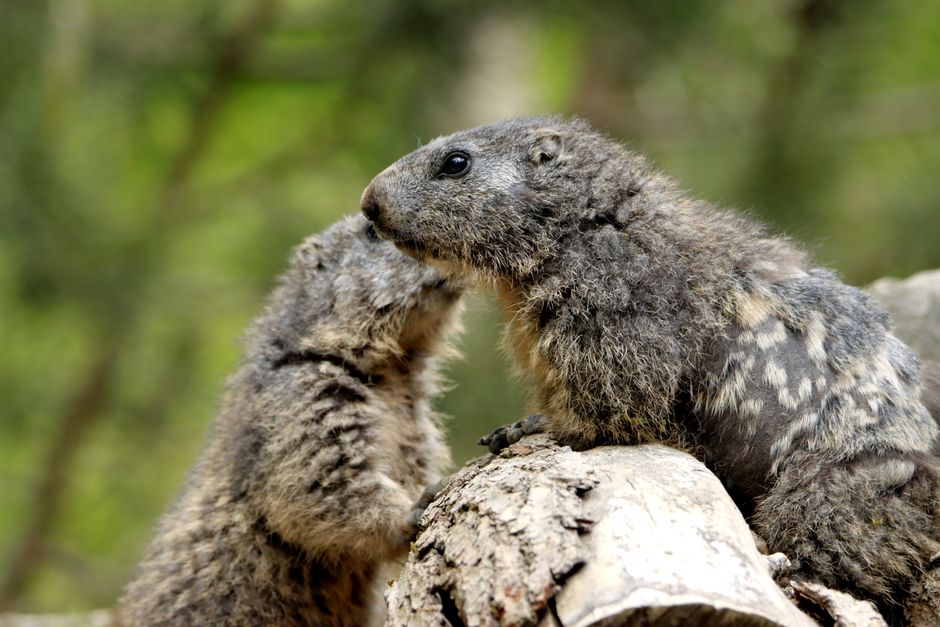
Groundhogs are mammals, and any mammal can theoretically become infected with rabies. But rabies in groundhogs is rare, and a groundhog that looks sick or acts strangely is far more likely to have another problem entirely. The bigger risk to most people is not rabies at all — it is the bite itself, the wound, and the bacteria that come with it.
Do Groundhogs Have Rabies What You Need To Know?
Groundhogs can carry rabies, but documented cases are uncommon. Public health surveillance in the United States consistently shows that raccoons, bats, skunks, and foxes account for the large majority of rabies cases in wildlife. Rodents and other small mammals make up only a small fraction.
That does not mean the risk is zero. It means the odds are low, and the response should be based on what actually happened — a bite, a scratch, or contact with saliva — rather than on fear of the animal itself.
There is an important detail many people miss. A groundhog that appears disoriented, aggressive, or unafraid of humans is often assumed to be rabid. In reality, the same behavior can come from distemper, a brain parasite, poisoning, head trauma, or simply being cornered by a person or a dog. Rabies is one possibility among several, and not the most likely one.
How Common Is Rabies in Groundhogs?
Rabies in groundhogs is genuinely rare. The animals most often confirmed rabid in the US are raccoons, bats, skunks, and foxes, along with domestic animals that were not vaccinated. Groundhogs appear in state rabies testing data, but in small numbers compared with those species.
Part of the reason is biology. Groundhogs are burrowing animals that live alone or in small family groups. They do not roam widely or gather in large colonies the way raccoons do. Less contact with other animals means fewer chances to be exposed in the first place.
Part of the reason is also practical. A groundhog that gets sick near people is often noticed, tested, or simply never reported. The true number of infected groundhogs is not something anyone can state with precision. What can be said is that confirmed cases are infrequent enough that public health agencies do not treat groundhogs as a major rabies reservoir.
Rabies is not spread by being near an animal. It requires saliva or nervous system tissue getting into a bite wound, a scratch, an open cut, or the eyes, nose, or mouth. A groundhog walking across your yard poses no rabies risk to you.
Why Do People Think Groundhogs Carry Rabies?
Most of this fear comes from a simple mistake. People see a wild animal acting oddly and assume rabies, because rabies is the disease they have heard about.
A groundhog that wanders into the open during daylight, moves slowly, drools, or does not run away may be suffering from several conditions. Distemper is a common one in wildlife and can look strikingly similar to rabies. So can infections, parasites, or injuries from a fight or a car strike.
Another factor is the groundhog’s normal behavior. Groundhogs are active during the day, especially in spring and summer. Seeing one in daylight is not unusual and is not a sign of illness on its own.
The reverse is also worth knowing. A truly rabid animal often shows a change in temperament — a normally shy animal becoming aggressive, or a normally bold animal becoming withdrawn. In the late stages, paralysis and difficulty swallowing cause the classic drooling and staggering. But by that point the animal is usually close to death, and the window for it to transmit the virus is narrow.





What Should You Do If a Groundhog Bites You?
Wash the wound right away with soap and running water. This is the single most important first step, and it should happen for several minutes, not a quick rinse.
Then get medical care the same day. Do not wait to see whether the animal was sick. Do not wait to see whether you feel fine. Rabies is essentially always fatal once symptoms begin, which is why the decision to treat is made before there is any sign of illness.
Tell the clinician what happened and where. A healthcare provider or local health department will assess the bite and decide whether rabies post-exposure treatment is needed. In the US, that treatment typically involves a dose of rabies immune globulin given at the wound site, plus a series of rabies vaccine doses over about two weeks. The exact schedule is set by current public health guidance, and it has changed over the years — follow what your clinician and health department direct rather than any schedule you read online.
Post-exposure treatment is highly effective when it is started promptly. It is not something to delay while you try to catch the animal for testing.
If the groundhog can be captured safely, or if it dies or is killed, the local health department or animal control may arrange testing. Never handle a wild animal with bare hands to do this. Call animal control and let them manage it.
Rabies vs. Other Groundhog Diseases
Rabies is not the only concern with a groundhog bite, and for most people it is not the most immediate one. Wound infections from bite bacteria are common and can develop within a day or two.
Groundhogs can also carry other infections, and any animal bite that breaks the skin should be evaluated. Tetanus is a consideration for any wound contaminated by soil or animal saliva, which is why tetanus vaccination status is part of the conversation after a bite.
Here is the practical comparison:
- Rabies: rare in groundhogs, but the consequence of missing it is catastrophic, so it is always evaluated.
- Wound infection: common after any animal bite, and often the reason antibiotics are considered.
- Tetanus: a risk with any dirty or puncture wound, prevented by staying up to date on vaccination.
The point is that a groundhog bite is a medical event regardless of rabies. The rabies question is one part of the assessment, not the whole thing.
How to Avoid Groundhog Problems in the First Place
Most groundhog encounters happen because a person tried to move, corner, or feed one. The simplest prevention is distance.
Never feed a groundhog, even if it seems tame. A groundhog that loses its fear of people is more likely to approach, and more likely to end up in a situation where someone gets bitten. Keep trash and compost secured so they are not drawn in.
If you find a groundhog in a garage, shed, or window well, do not try to grab it or shoo it with your hands. Open a clear exit and give it space, or call animal control or a wildlife removal service. If you have a dog, keep it leashed or indoors around burrows — dogs are the ones most often bitten, and an unvaccinated dog can then bring the risk into the home.
Keep pets current on their rabies vaccines. This protects them and creates a buffer between wildlife and your household.
If you see a groundhog that appears sick, injured, or unusually tame, leave it alone and report it to local animal control. Do not attempt to help it yourself.
Frequently Asked Questions
Can you get rabies from a groundhog?
Yes, in theory, because any mammal can carry rabies, but documented cases in groundhogs are rare. Transmission requires the animal’s saliva or nervous tissue to enter a bite, scratch, or mucous membrane.
What does a rabid groundhog look like?
A rabid groundhog may appear disoriented, aggressive, or unable to swallow, leading to drooling and staggering. However, these same signs can be caused by distemper or other illnesses, so appearance alone cannot confirm rabies.
Should I get a rabies shot after a groundhog bite?
You should seek medical care the same day so a clinician or health department can decide whether post-exposure treatment is needed. Do not wait for symptoms, because rabies is almost always fatal once they appear.
Do groundhogs attack humans?
Groundhogs rarely attack people and usually flee when approached. A bite most often happens when someone tries to handle, corner, or feed one, or when a pet corners it first.
