
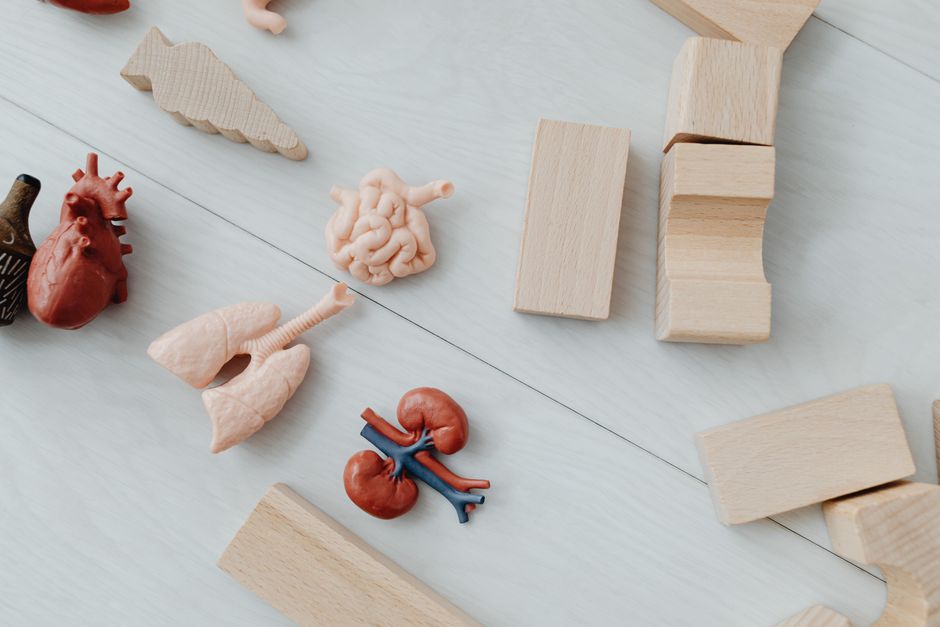
Yes, kidney stones can cause back pain, but it is a specific type of back pain that feels different from a pulled muscle or a disc problem. The pain usually comes in waves and is sharp, intense, and located on one side of your lower back or side, just below your ribs. This happens when a stone moves and blocks the flow of urine, stretching the kidney and triggering pain signals. Understanding the exact nature of this pain helps you tell it apart from other causes of back pain, which matters for getting the right treatment quickly.
How Does Kidney Stone Pain Feel Different from Normal Back Pain?
Kidney stone pain has a signature pattern that most people remember vividly. It often starts suddenly and comes in waves that last 20 to 60 minutes. The pain is usually on one side only, in the flank area between your ribs and hip. Many people describe it as the worst pain they have ever felt.
Normal back pain from muscle strain or a slipped disc tends to feel like a dull ache or a burning sensation. It gets worse with certain movements, like bending or twisting, and better with rest. Kidney stone pain does not change much with movement. Lying still does not help much either. The pain can also radiate around to your lower belly or groin as the stone moves down the ureter.
Research published in the Journal of Urology found that patients with kidney stones often rate their pain as a 9 or 10 on a 10-point scale. Muscle-related back pain rarely reaches that level of intensity. If you have ever passed a kidney stone, you know the difference immediately. If you have not, the key clue is that the pain comes in waves and is accompanied by other symptoms like nausea or blood in the urine.
What Other Symptoms Come with Kidney Stone Back Pain?
Pain alone does not confirm kidney stones. Several other signs usually appear alongside the back pain. Nausea and vomiting are very common because the intense pain stimulates the vagus nerve, which triggers the gag reflex. Some people vomit repeatedly during a pain wave.
Blood in the urine is another strong clue. The stone scrapes the lining of the ureter as it moves, causing microscopic or visible bleeding. The CDC reports that about 1 in 11 Americans will have a kidney stone in their lifetime, and blood in the urine is one of the most consistent findings. Urine may look pink, red, or brown. You might also feel a frequent need to urinate or a burning sensation when you go.
Fever and chills are dangerous signs. If you have back pain plus a fever over 100.4°F, you may have a kidney infection along with the stone. This is a medical emergency. Do not wait to see if it passes. Go to an emergency room immediately. Kidney stones themselves are not usually life-threatening, but an infection behind a blocked kidney can become serious quickly.
Do Kidney Stones Cause Back Pain on Both Sides?
Most kidney stones cause pain on only one side. Stones form in one kidney at a time in the majority of cases. The pain is felt on the same side as the affected kidney. If you have pain on both sides of your lower back at the same time, it is less likely to be a kidney stone.
There are exceptions. Some people have stones in both kidneys simultaneously, though this is less common. Also, about 10 to 15 percent of people have a condition called bilateral stones, where stones form in both kidneys over time. Even then, the pain usually hits one side first before the other side starts hurting.
Pain on both sides is more often caused by a muscle strain, a ligament issue, or a condition affecting the spine. If your pain is symmetrical, meaning it feels the same on the left and right, kidney stones are probably not the cause. A simple urine test and an imaging scan like a CT or ultrasound can settle the question quickly.



What Makes Kidney Stone Pain Worse or Better?
| Factor | Effect on Kidney Stone Pain | Effect on Muscle Back Pain |
|---|---|---|
| Drinking lots of water | May increase pain temporarily as urine flow pushes the stone | No effect |
| Lying still | Little to no relief | Often reduces pain |
| Changing position | No consistent change | May increase or decrease pain |
| Taking ibuprofen or naproxen | Moderate relief for some people | Good relief for most people |
| Heat pack on the area | Minor relief for some | Often helps relax muscles |
| Movement or exercise | Does not change pain | Often makes pain worse |
Kidney stone pain is stubborn. It does not respond well to rest or position changes. Some people find that drinking extra water makes the pain worse because it increases urine volume and pushes the stone against the ureter wall. This is actually a good sign that the pain is stone-related, not muscular.
Pain relievers like ibuprofen can take the edge off for some people, but they rarely eliminate the pain completely. If your back pain goes away completely after taking an over-the-counter pain reliever and resting, it is much more likely to be musculoskeletal than a kidney stone.
When Should You See a Doctor for Back Pain That Might Be a Kidney Stone?
Any back pain that is severe enough to interrupt your sleep or daily activities warrants a medical visit. For kidney stones specifically, you should see a doctor if you have any of these signs:
- Pain that comes in waves and is located on one side of your lower back or side
- Blood in your urine, whether visible or found on a dipstick test
- Nausea or vomiting along with the back pain
- A fever or chills with back pain
- Pain that does not improve after trying rest, heat, or over-the-counter pain relievers
- A history of kidney stones and you suspect another one
The American Urological Association recommends imaging for anyone with suspected kidney stones who has not had a confirmed diagnosis. A non-contrast CT scan is the gold standard because it can detect stones as small as 1 millimeter. Ultrasound is another option that avoids radiation, though it may miss very small stones.
If you have already passed a stone before and recognize the pain, you might not need to rush to the ER unless the pain is unbearable or you have fever. Many small stones pass on their own within a few days to a few weeks. But if this is your first time, or if you are unsure, getting a proper diagnosis prevents complications like kidney damage or infection.
What Treatments Actually Work for Kidney Stone Back Pain?
Treatment depends on the size and location of the stone. For small stones under 5 millimeters, the standard approach is watchful waiting with pain management. Doctors usually prescribe a medication called tamsulosin, which relaxes the ureter and helps the stone pass faster. Studies show this can reduce the time to passage by several days.
For larger stones or stones that cause persistent pain, procedures are available. Shock wave lithotripsy uses sound waves to break the stone into smaller pieces that can pass in urine. Ureteroscopy involves threading a tiny camera up the ureter to remove or break up the stone with a laser. Both are outpatient procedures with high success rates.
Pain management during an active stone episode is important. Nonsteroidal anti-inflammatory drugs like ibuprofen or ketorolac are first-line treatments. They work better than opioids for kidney stone pain according to research in the Annals of Emergency Medicine. Opioids may be used for severe cases but come with risks of side effects and dependency.
At home, drinking enough water to produce clear urine helps flush small stones out. The National Kidney Foundation recommends at least 2 to 3 liters of water per day for people prone to stones. Avoid sugary drinks and excessive salt, which can promote stone formation. Cranberry juice does not help kidney stones and may actually increase the risk of certain stone types.
Common Misconceptions About Kidney Stones and Back Pain
One widespread myth is that kidney stones always cause back pain on the left side. This is not true. The pain is on the same side as the stone, and stones can form in either kidney equally. There is no medical reason for left-sided predominance.
Another myth is that passing a kidney stone feels like peeing out a pebble. In reality, the stone is inside the ureter or bladder while passing, not in the urine stream itself. Most people never see the stone because it is too small or gets flushed away. The pain comes from the stone stretching the ureter, not from the physical act of urination.
Some people believe that if you have back pain from a kidney stone, you will always have blood in your urine. While blood is very common, small stones can cause pain without visible blood. A urine test can detect microscopic blood that you cannot see. If your back pain is severe and your urine looks normal, you could still have a stone.
Lastly, many people think that drinking milk causes kidney stones. The opposite is true. Dietary calcium actually binds to oxalate in the gut and prevents it from reaching the kidneys where it forms stones. The American College of Physicians recommends normal calcium intake from food for stone prevention. It is calcium supplements taken on an empty stomach that may increase risk, not calcium from dairy or leafy greens.
How to Prevent Kidney Stones from Causing Future Back Pain
Prevention focuses on what you eat and drink. The single most effective step is drinking enough water. Your urine should be pale yellow or clear throughout the day. Dark yellow urine means you are dehydrated and your kidneys are more concentrated, which encourages crystal formation.
Dietary changes depend on the type of stone you had. About 80 percent of stones are calcium oxalate. For these, reducing high-oxalate foods like spinach, rhubarb, beets, and almonds can help. But do not cut out calcium. Eating calcium-rich foods with oxalate-rich foods helps bind them in the gut. A 2014 study in the Clinical Journal of the American Society of Nephrology found that people with the highest dietary calcium intake had the lowest risk of kidney stones.
Limit sodium to under 2,300 milligrams per day. High sodium increases calcium in your urine, which can form stones. Processed foods, canned soups, and restaurant meals are the biggest sources. Also reduce animal protein from red meat, poultry, and eggs. A diet rich in fruits, vegetables, and whole grains lowers stone risk.
If you have had more than one stone, your doctor may order a 24-hour urine test to check your urine chemistry. This test measures calcium, oxalate, citrate, and other substances. Based on the results, specific dietary or medication changes can be tailored to you. Thiazide diuretics, allopurinol, or potassium citrate are sometimes prescribed for people who form stones frequently.
Frequently Asked Questions
Can kidney stones cause back pain without any other symptoms?
Yes, small stones can cause back pain without visible blood or nausea. The pain comes from the stone blocking urine flow, which stretches the kidney.
How long does kidney stone back pain last?
The pain comes in waves that last 20 to 60 minutes. The entire episode can last from a few hours to several weeks until the stone passes.
Is kidney stone pain worse in the morning or at night?
There is no set pattern. Kidney stone pain can start at any time and is not tied to your sleep cycle or position.
Can drinking more water help kidney stone back pain go away?
Drinking water helps small stones pass faster but may temporarily increase pain by pushing the stone against the ureter wall.
