
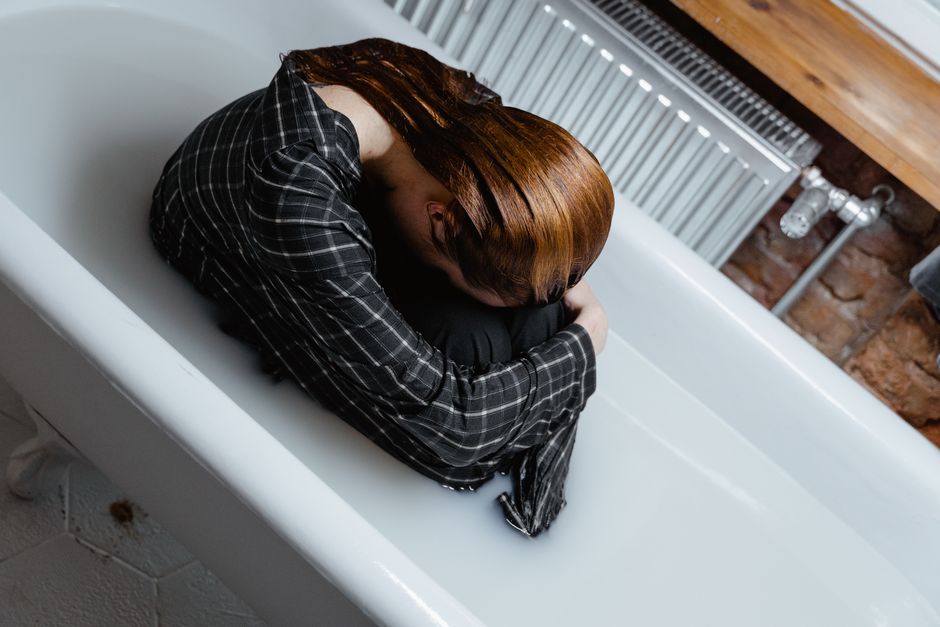
Plunging into cold water feels dramatic. Your breath catches, your heart pounds, and for a moment your mind goes quiet. That reaction is real, and it is exactly why ice baths have become a popular tool for people dealing with anxiety. But feeling calmer in the minutes after a cold plunge is not the same as treating an anxiety disorder. The science here is genuinely mixed, and it is worth understanding what cold water actually does to the body before deciding whether it belongs in your routine.
Do Ice Baths Help Anxiety? What the Science Shows
The short answer is that cold water exposure can produce short-term changes in mood and stress hormones, but the evidence that it treats anxiety is limited and not yet strong enough to call it a treatment.
Most of what we know comes from research on cold water swimming and cold showers rather than ice baths specifically. Some studies suggest regular cold water immersion may reduce symptoms of depression and improve general mood. The picture for anxiety is less clear. Several small studies have looked at cold water exposure and reported improvements in self-reported mood, but these studies tend to be small, short, and often lack a control group. That makes it hard to separate the effect of the cold water from the effect of simply doing something challenging, being outdoors, or exercising.
One important distinction: feeling less anxious right after a cold plunge is not the same as having an anxiety disorder improve over time. A temporary mood lift is well documented. Whether that translates into meaningful, lasting relief from clinical anxiety is not established.
What Happens in Your Body During a Cold Plunge
The immediate effects of cold water are well understood and quite powerful.
When cold water hits your skin, your blood vessels tighten and your heart rate and blood pressure rise. You gasp involuntarily. This is the cold shock response, and it is a stress reaction. Your body releases norepinephrine, a chemical that acts as both a hormone and a neurotransmitter. Norepinephrine levels can rise sharply during cold exposure, and this is thought to play a role in the mood effects people report.
At the same time, your nervous system shifts. The vagus nerve, which helps regulate your heart rate and digestion, becomes more active. Slow, controlled breathing during and after cold exposure can strengthen this shift. This is part of why cold plunging is often paired with breathing exercises.
Here is the part that gets overlooked. The cold shock response is a stress response. For someone with anxiety, deliberately triggering a stress response is not automatically calming. Some people find that the intense physical sensation interrupts racing thoughts, which feels like relief. Others find that it amplifies feelings of panic. The same stimulus can do opposite things in different people.
Why Some People Feel Calm After Cold Water
There are a few plausible reasons cold water can feel calming, and it helps to separate them.
- Breathing control. Cold water forces you to focus on your breath. Slow, deliberate breathing is a well-established way to calm the nervous system, and it may be doing much of the work.
- Distraction and interruption. The intense physical sensation pulls attention away from anxious thoughts. This is a real effect, but it is temporary.
- Norepinephrine release. This chemical is linked to alertness and mood. A spike may produce a short-lived lift.
- The accomplishment effect. Doing something difficult and uncomfortable can boost confidence. That is a psychological effect, not a chemical one, but it matters.
None of these are the same as treating an anxiety disorder. They are short-term experiences that some people find helpful as part of a broader approach.





What the Research Actually Shows
It is important to be honest about the state of the evidence.
Research on cold water immersion and mental health has grown in recent years, but it remains limited. Many studies are small, and some rely on self-reported mood rather than clinical diagnosis. A number of them look at cold water swimming in natural settings, which introduces other factors like exercise, daylight, and social contact. Those factors alone can improve mood and anxiety.
Some research suggests cold water immersion may reduce symptoms of depression. The evidence for anxiety specifically is thinner. No large, well-controlled trial has confirmed that ice baths treat anxiety disorders. That does not mean they are useless. It means the honest position is that the evidence is promising in some areas and unproven in others.
There is also a practical problem with studying ice baths. You cannot easily blind someone to whether they are in cold water. People who volunteer for cold plunge studies usually expect it to help, and that expectation can shape what they report.
Risks and Who Should Be Careful
Cold water immersion is not risk-free, and this is where caution matters most.
The cold shock response causes a sudden rise in heart rate and blood pressure. For people with certain heart conditions, this can be dangerous. If you have a heart condition, high blood pressure, or a history of stroke, talk to a doctor before trying cold water immersion. This is not a minor precaution.
Cold water can also trigger panic in people prone to it. If you have panic disorder, the physical sensations of a cold plunge can resemble the early signs of a panic attack, which may be distressing rather than helpful.
Other risks include hypothermia if you stay in too long, and drowning. Cold water dramatically reduces your ability to swim and hold your breath. Never do cold water immersion alone, and never in open water without proper supervision and safety measures.
Pregnancy is another situation where caution is warranted. No clinical guidelines currently exist for cold water immersion during pregnancy, so it is best to discuss it with your healthcare provider rather than assume it is safe.
How Ice Baths Compare to Proven Anxiety Treatments
This is the comparison that matters most, and it is not close.
For anxiety disorders, the treatments with the strongest evidence are psychotherapy, particularly cognitive behavioral therapy, and certain medications. These have been studied in large, controlled trials and are supported by decades of research. They are the standard of care for a reason.
Ice baths have not been tested against these treatments. No study has shown that cold water immersion works as well as therapy or medication for anxiety. It is not a replacement for either.
Where cold water might fit is as an add-on. Some people find it helps them feel more alert, more resilient, or more in control of their bodies. If it supports a routine that already includes proven treatment, that is a reasonable place for it. If it is being used instead of treatment, that is a problem.
Practical Considerations If You Want to Try It
If you are curious and you are healthy, there are sensible ways to approach it.
Start with cold showers rather than full immersion. They are safer and easier to control. Keep the exposure short, especially at first. Never push through intense shivering or numbness. Focus on slow, steady breathing rather than trying to endure the cold by force.
Do not do it alone. Do not do it in open water without proper supervision. If you have any heart condition or underlying health issue, get medical clearance first.
And keep your expectations realistic. A cold plunge might give you a mood boost for a while. It might help you feel more grounded. It is unlikely to resolve an anxiety disorder on its own. If anxiety is affecting your daily life, the most effective step is talking to a doctor or mental health professional about evidence-based options.
Frequently Asked Questions
Do ice baths help with anxiety?
Cold water exposure can produce short-term mood changes and may help some people feel calmer, but the evidence that it treats anxiety disorders is limited. It is not established as a treatment for clinical anxiety.
How cold does the water need to be?
There is no standard recommended temperature for anxiety, and research studies use a range of temperatures. Colder is not automatically better, and very cold water increases the risk of cold shock and other dangers.
Can ice baths make anxiety worse?
Yes, for some people. The cold shock response is a stress reaction, and the physical sensations can resemble a panic attack, which may be distressing for those with panic disorder.
Should I use ice baths instead of therapy for anxiety?
No. Therapy and certain medications have strong evidence for treating anxiety disorders, while ice baths do not. Cold water may be a supplement to proven treatment, not a replacement.
