
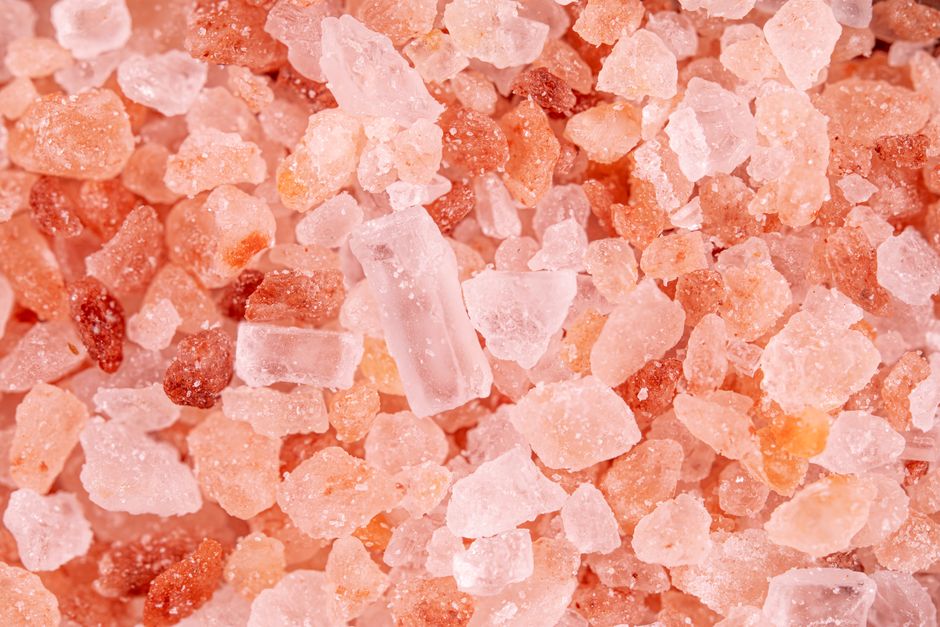
Himalayan pink salt has become a staple in many kitchens, prized for its color and mineral content. But if you are using it as your only table salt, you may be missing out on a key nutrient. Himalayan salt does not contain added iodine, which means it does not provide the same iodine benefits as regular iodized table salt. For most people, this is not a problem if you get iodine from other foods, but it is a fact worth understanding before you make the switch.
Do Himalayan Salt Have Iodine Naturally?
Himalayan pink salt is mined from the Khewra Salt Mine in Pakistan. It is mostly sodium chloride, just like regular table salt. The pink color comes from trace minerals like iron oxide, also known as rust.
Natural Himalayan salt contains a small amount of iodine, but the levels are too low to matter for your health. The iodine content varies from batch to batch, and no reliable data shows it provides a meaningful amount for your daily needs. If you rely on Himalayan salt for iodine, you will almost certainly fall short.
Iodized table salt, on the other hand, has iodine added during processing. This was introduced in the early 20th century to combat iodine deficiency, which causes thyroid problems and goiter. The addition of iodine is a deliberate public health measure, not a natural property of the salt.
How Much Iodine Do You Actually Need?
Iodine is an essential mineral. Your thyroid gland uses it to make thyroid hormones, which control your metabolism, growth, and development. Without enough iodine, your thyroid cannot function properly.
For adults, the recommended dietary allowance for iodine is 150 micrograms per day. Pregnant and breastfeeding women need more — 220 and 290 micrograms per day respectively. These numbers come from the National Academies of Sciences, Engineering, and Medicine.
One quarter teaspoon of iodized table salt contains about 71 micrograms of iodine. That is nearly half of an adult’s daily need. One quarter teaspoon of Himalayan salt contains only trace amounts, often too small to measure accurately.
Most Americans get enough iodine from their diet even without iodized salt. Dairy products, eggs, seafood, and commercially baked bread all contribute iodine. But if you eat a limited diet or follow a strict vegan or plant-based eating pattern, your iodine intake may be lower than you think.
Does the Pink Color Mean More Minerals?
Himalayan salt contains up to 84 trace minerals, according to marketing claims. The reality is that these minerals exist in very small amounts. You would need to eat an unrealistic amount of salt to get any meaningful nutrition from them.
For example, Himalayan salt contains calcium, potassium, and magnesium. But the amounts per serving are negligible. One gram of Himalayan salt provides less than 1 percent of your daily calcium and potassium needs. The minerals contribute to the color and flavor, not to your nutritional status.
Regular table salt is more processed, which strips out these trace minerals. But processed table salt also has iodine added back. So the trade-off is clear: Himalayan salt offers trace minerals in insignificant amounts, while iodized salt offers a meaningful dose of an essential nutrient.
Some people prefer Himalayan salt because it is less processed. That is a valid preference. But it is not a nutritional advantage when it comes to iodine.




Is Himalayan Salt Healthier Than Regular Salt?
The evidence does not show that Himalayan salt is healthier than regular salt. Both are primarily sodium chloride. The differences in mineral content are too small to affect your health in any measurable way.
What matters more is your total sodium intake. High sodium intake is linked to high blood pressure, which increases your risk of heart disease and stroke. The American Heart Association recommends limiting sodium to no more than 2,300 milligrams per day, with an ideal limit of 1,500 milligrams for most adults.
One quarter teaspoon of salt, whether Himalayan or iodized, contains about 590 milligrams of sodium. The type of salt you choose matters far less than how much you use.
No clinical evidence shows that Himalayan salt provides unique health benefits. Claims about improved hydration, better sleep, or balanced pH levels are not supported by human studies. Treat these claims with skepticism.
Who Should Be Careful About Iodine Deficiency?
Most people get enough iodine from their diet. But certain groups face a higher risk of deficiency. If you fall into any of these categories, pay attention to your iodine intake.
People who avoid iodized salt entirely are at higher risk. This includes those who use only Himalayan salt, sea salt, or other non-iodized varieties. It also includes people who follow a strict plant-based diet without eating dairy, eggs, or fish.
Pregnant women are especially vulnerable. Iodine deficiency during pregnancy can affect fetal brain development. The thyroid hormones made from iodine are critical for a baby’s developing nervous system.
People with thyroid conditions should also be careful. If you have hypothyroidism or hyperthyroidism, talk to your doctor about your iodine intake. Changing your salt type can affect your thyroid function in ways you may not expect.
What Are the Best Sources of Iodine?
If you decide to use Himalayan salt exclusively, you need to get iodine from other foods. The good news is that many common foods provide iodine naturally.
Good dietary sources of iodine include:
- Seaweed, especially kelp — one of the richest natural sources
- Fish and shellfish, including cod, tuna, and shrimp
- Dairy products, including milk, yogurt, and cheese
- Eggs
- Iodized salt
- Commercial bread products, which often use iodine-containing dough conditioners
Some foods are naturally low in iodine. Fruits, vegetables, and most grains do not provide significant amounts unless grown in iodine-rich soil. Soil depletion in some regions has reduced the iodine content of plant foods.
If you are concerned about your iodine intake, a simple blood or urine test can measure your levels. Your doctor can tell you whether you need to adjust your diet or consider a supplement. Do not start iodine supplements without medical guidance, because too much iodine can also harm your thyroid.
Should You Switch to Iodized Salt?
For most people, iodized salt is the easiest way to ensure adequate iodine intake. It is inexpensive, widely available, and provides a consistent dose of iodine with every serving.
You do not need to give up Himalayan salt entirely. Many people use it for finishing dishes or for its flavor. The key is to not rely on it as your only source of salt.
A practical approach is to use iodized salt for everyday cooking and baking, and reserve Himalayan salt for times when you want its color or texture. This way you get the benefits of both without sacrificing iodine.
If you have high blood pressure or need to limit sodium, talk to your doctor before making any changes. The type of salt matters less than the amount you consume. Reducing total sodium is the most important step for heart health.
Frequently Asked Questions
Does Himalayan salt have iodine?
Natural Himalayan salt contains only trace amounts of iodine, far below what your body needs. Iodized table salt has iodine added during processing and is a reliable source.
Can I use Himalayan salt instead of iodized salt?
You can use it, but you will need to get iodine from other foods like seafood, dairy, or eggs. If you rely on Himalayan salt alone, you may fall short of the 150 micrograms adults need daily.
Is pink Himalayan salt better for you than regular salt?
No clinical evidence shows that Himalayan salt is healthier than regular salt. Both are mostly sodium chloride, and the trace minerals in Himalayan salt are present in amounts too small to affect your health.
Who is at risk for iodine deficiency?
People who avoid iodized salt, follow a strict plant-based diet, or are pregnant face a higher risk. Pregnant women need more iodine — 220 micrograms daily — for fetal brain development.
