
Most people who have herpes don’t know it. The virus can live in the body for years without causing a single blister, sore, or symptom you’d notice. That silence is exactly why testing matters — and why it’s so easy to get confused about what a test can and cannot tell you.
Here’s the short answer. You find out whether you have herpes through a blood test that looks for antibodies to the virus, or through a swab test taken directly from a sore or blister if one is present. A blood test can tell you if you’ve been infected at some point. A swab can confirm an active outbreak. Neither test is something you should order casually without understanding what the result means.
This guide walks through how herpes actually behaves, what each test detects, when testing makes sense, and why a positive result is not the life sentence many people fear.
What Are the Two Types of Herpes and How Do They Differ?
Herpes simplex virus comes in two main types, and the difference matters for testing.
HSV-1 is the virus most often linked to cold sores around the mouth. It spreads mainly through oral contact. HSV-2 is the virus most often linked to genital sores and spreads mainly through sexual contact. That said, the divide isn’t clean. HSV-1 can cause genital infections, and it does so with increasing frequency in many populations. HSV-2 almost never causes oral infection.
Both viruses are lifelong once you have them. They hide in nerve cells and can reactivate periodically, sometimes causing symptoms and sometimes not. There is no cure, but the virus is manageable and most people with it live completely normal lives.
One detail people often miss: many infections are asymptomatic or so mild they’re mistaken for a pimple, an ingrown hair, a rash, or a bit of chafing. The World Health Organization estimates that a large share of people with HSV-2 are unaware they carry it. That doesn’t mean the virus is harmless. It means it’s quiet.
How Do I Know If I Got Herpes Symptoms Testing — What Should I Actually Look For?
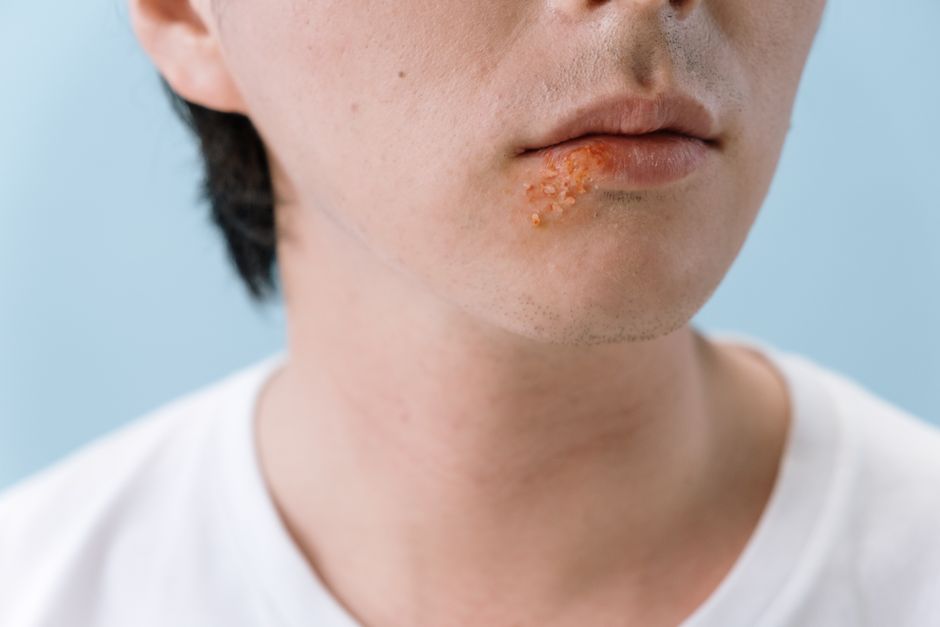
If you’re trying to figure out whether you have herpes, start by understanding what a herpes outbreak typically feels like. The classic signs are a cluster of small blisters or sores on or around the genitals, buttocks, or mouth. These can be painful, and they often start with tingling, itching, or a burning sensation in the area a day or two before anything visible appears.
But here’s the problem with relying on symptoms alone. Many herpes outbreaks don’t look like the textbook picture. They can be a single small sore, a patch of redness, a crack in the skin, or nothing at all. Symptoms can also be mistaken for other conditions — yeast infections, friction injuries, hemorrhoids, or urinary tract issues.
Other things some people notice during a first outbreak include:
- Flu-like feelings such as fever, body aches, or swollen lymph nodes
- Pain or burning when urinating
- General discomfort in the genital or anal area
None of these symptoms are specific to herpes. That’s the key point. You cannot reliably diagnose herpes by looking at it or feeling it. Symptoms raise suspicion. Testing confirms or rules out.
What Kinds of Herpes Tests Exist and What Do They Detect?
There are two main categories of herpes testing, and they answer different questions.
A swab test is taken directly from a sore, blister, or fluid sample. It’s usually done with a PCR (polymerase chain reaction) test, which looks for the virus’s genetic material. This is the preferred method when you have an active lesion because it can confirm the infection and tell you which type you have. Swab tests are most accurate when taken within the first day or two of a sore appearing, before it starts to heal.
A blood test looks for antibodies your immune system makes against HSV-1 and HSV-2. It can distinguish between the two types. This test doesn’t need an active outbreak. It can tell you whether you’ve been infected at some point in the past, even if you’ve never had symptoms.
There’s a timing issue with blood tests that trips people up. Your body takes time to produce antibodies after infection. Testing too soon can give a false negative. In general, antibody levels may not be detectable until several weeks after exposure, and it can take longer for some people. If you test very early, a negative result doesn’t rule out a recent infection.


When Should You Get Tested for Herpes?
Testing is most useful in a few specific situations.
If you have visible sores or blisters in the genital or oral area, get them swabbed. This is the most direct and reliable way to confirm an active infection. Don’t wait for the sore to heal — the test is most accurate early.
If you don’t have symptoms but are concerned about exposure, a blood test can check for antibodies. This is worth discussing with a clinician, especially if you have a partner with known herpes or if you’ve had multiple sexual partners and want clarity about your status.
Routine herpes screening for people without symptoms is a more complicated question. Major public health bodies do not universally recommend screening everyone, because the evidence for benefit is not clear-cut. A positive result can cause significant emotional distress, and there’s no cure — so the value of knowing depends heavily on your individual situation. Some clinicians recommend testing for certain groups, and others don’t. This is genuinely a conversation to have with a healthcare provider who knows your history.
One practical note: if you’re pregnant or planning to become pregnant, tell your clinician about any history of herpes. Genital herpes can be passed to a newborn during delivery, and that’s a serious situation that requires planning. Established clinical guidance exists for managing herpes in pregnancy, so this is a case where being upfront with your provider matters a great deal.
What Does a Positive Herpes Test Result Actually Mean?
A positive result means you carry the virus. It does not mean you will have frequent outbreaks, that you are dangerous to partners, or that your health is in jeopardy.
Many people with HSV-1 or HSV-2 have few or no symptoms after the initial infection. The virus can reactivate, but outbreaks often become less frequent and less severe over time. Some people never have a noticeable outbreak at all.
If you do have symptoms, antiviral medications can reduce how often outbreaks happen and how long they last. These medications are prescription and should be discussed with a clinician. They do not cure the virus, and they do not eliminate the possibility of passing it to someone else, though they can lower that risk.
A negative result is also worth understanding carefully. A negative blood test taken too soon after possible exposure may be falsely negative. A negative swab on a healing sore may miss the virus. Context matters, and a single test result is not always the final word.
Can You Have Herpes and Never Know It?
Yes, and it’s common. Many people carry HSV-1 or HSV-2 without ever having symptoms they recognize. The virus can shed from the skin even when there are no visible sores, which is one reason it spreads so easily.
This is the part that makes herpes testing genuinely tricky. If you’ve never had symptoms and you test positive on a blood test, you may never know when you were infected or whether you’ll ever have an outbreak. That uncertainty is real, and it’s why some clinicians are cautious about routine screening.
What you can do is make an informed decision with a healthcare provider. Testing is a tool, not a verdict. Knowing your status can help you protect partners and make choices about your health. It doesn’t define you.
Frequently Asked Questions
Can a blood test tell me if I have herpes even without symptoms?
Yes, a blood test can detect antibodies to HSV-1 or HSV-2 even if you’ve never had a visible outbreak. It can take several weeks after exposure for antibodies to become detectable, so testing too early may give a false negative.
How accurate is a herpes swab test?
A PCR swab taken from an active sore is highly accurate and can also tell you which type of herpes you have. Accuracy drops if the sore is already healing or if the sample isn’t collected properly.
Should I get tested for herpes if I have no symptoms and no known exposure?
Routine screening for people without symptoms is not universally recommended, and public health guidance varies. Talk with a clinician about your individual risk factors and whether testing makes sense for you.
Does a positive herpes test mean I will have outbreaks?
No. Many people with herpes have few or no symptoms after the initial infection, and some never have a noticeable outbreak at all. A positive result means you carry the virus, not that you will be sick.
