
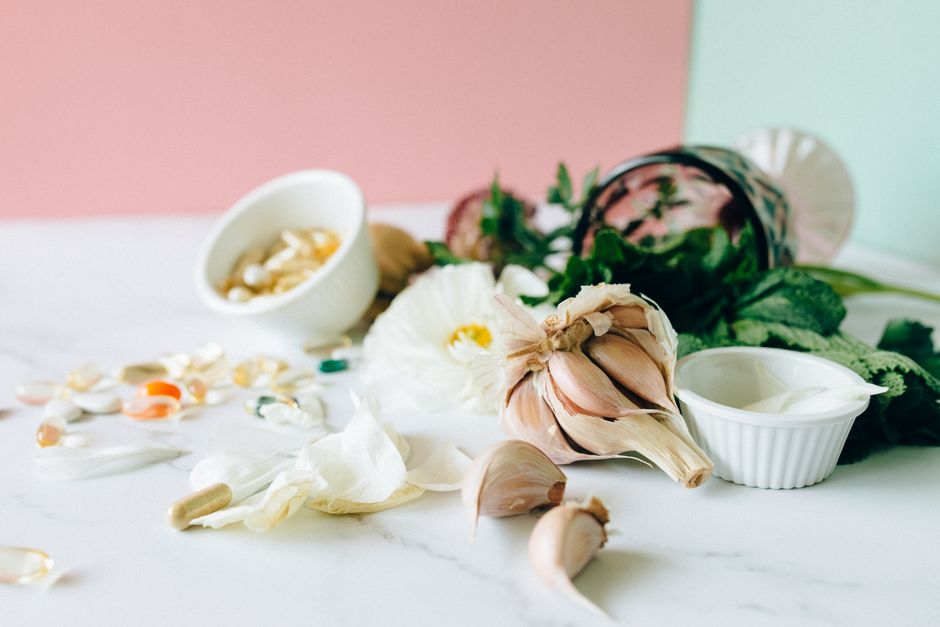
Yes, garlic cloves go bad. A whole, unpeeled bulb of garlic can last for months in a cool, dark place. But once you break the bulb apart, the individual cloves have a much shorter lifespan. A single peeled clove will only last about a week in the refrigerator. Understanding how to store garlic and recognizing the signs of spoilage will save you money and keep your food safe.
How Long Do Garlic Cloves Actually Last?
The shelf life of garlic depends entirely on its form. A whole, unbroken bulb is designed to last. The papery skin protects the cloves from moisture and air, which are the main causes of spoilage.
Here are the general timelines for different forms of garlic:
- Whole bulb: 3 to 6 months when stored properly in a cool, dark, dry place.
- Individual unpeeled cloves: 3 to 10 days at room temperature. Once separated from the bulb, they dry out faster.
- Peeled cloves: 5 to 7 days in the refrigerator in an airtight container.
- Chopped or minced garlic: 1 to 2 days in the refrigerator.
- Garlic in oil: Only safe for a short time. Refrigerate and use within 1 week. Never leave it at room temperature.
These are general timeframes. The actual shelf life depends on the age of the garlic when you bought it and the conditions in your kitchen.
Do Garlic Cloves Go Bad: The Signs of Spoilage
Garlic gives you clear signals when it is past its prime. Your senses are the most reliable tools you have. Do not rely on the calendar alone.
Soft spots and mushiness are the first signs of trouble. A fresh clove should feel firm and solid. If it yields to gentle pressure, it is beginning to break down.
Discoloration is another red flag. Fresh garlic is white or slightly off-white. Yellowing, browning, or dark spots indicate age or the start of decay.
A sour or bitter smell is a definite sign of spoilage. Fresh garlic has a sharp, pungent, and distinctive aroma. When it starts to smell sour, like fermented food, it is no longer good to eat.
Mold is the clearest indicator. Look for fuzzy patches that can be white, green, or black. These are often found at the root end or between the papery skins. If you see mold on any clove, discard the entire bulb. The microscopic roots of the mold may have spread through the whole head.
Why Does Garlic Sprout?
A green sprout emerging from the center of a clove is not a sign of spoilage. It is a sign of age. The clove is trying to grow into a new plant.
Sprouted garlic is safe to eat. The green sprout can taste bitter, so many cooks remove it before cooking. The flavor of the clove itself may be slightly milder than fresh garlic. Some research suggests that sprouted garlic may actually have higher antioxidant levels than fresh garlic, but this is not a reason to buy old garlic. It simply means you do not need to throw it away.
The sprout is not dangerous. It is a natural part of the garlic’s life cycle. If the clove is still firm and has no signs of mold or mushiness, it is fine to use.





The Danger of Garlic in Oil
Garlic stored in oil requires special attention. This is a genuine food safety issue, not just a quality issue.
Raw garlic can carry Clostridium botulinum spores. These spores are found in soil and are naturally present on many vegetables, including garlic. The spores themselves are harmless. The problem starts when they find the right conditions to grow.
Garlic stored in oil at room temperature creates an anaerobic environment — meaning no oxygen. It also has low acidity and high moisture. These are the exact conditions where botulism spores can germinate and produce a deadly toxin.
The FDA and food safety experts warn against storing raw garlic in oil at room temperature. If you make garlic-infused oil at home, you must refrigerate it and use it within 1 week. Even refrigerated, the oil will only slow the bacterial growth, not stop it. Commercial garlic-in-oil products contain acidifying agents that make them safe, but homemade versions do not have this protection.
How to Store Garlic So It Lasts Longer
Proper storage starts at the store. Choose bulbs that are firm, plump, and have dry papery skins. Avoid bulbs with soft spots, dark patches, or any signs of mold.
At home, keep whole bulbs in a cool, dark, and dry place. A pantry, a cupboard away from the stove, or a countertop in a ceramic garlic keeper all work well. The ideal temperature is between 60°F and 65°F. Do not store garlic in the refrigerator if it is still in a whole bulb. The moisture in the fridge can cause it to spoil faster or sprout prematurely.
Keep garlic away from direct sunlight. Light triggers sprouting and degrades the flavor. Also keep it away from the stove or oven. Heat accelerates the drying process.
Do not store garlic in plastic bags. Plastic traps moisture, which promotes mold growth. Use a mesh bag, a paper bag with holes, or a wire basket that allows air to circulate.
Once you break the bulb, the rules change. Separated cloves should go in the refrigerator in an airtight container or a resealable bag. Peeled cloves last longest when covered with a small amount of oil in a sealed container, but remember the 1-week rule for garlic in oil. If you want to skip the oil, wrap the peeled cloves in a damp paper towel inside a sealed bag. This keeps them from drying out.
Can You Freeze Garlic?
Freezing is an excellent way to extend the life of garlic. It changes the texture, so frozen garlic is best for cooking rather than eating raw.
You can freeze whole unpeeled bulbs, individual cloves, or minced garlic. The simplest method is to peel the cloves, place them in a freezer-safe bag, and remove as much air as possible. Frozen garlic will keep for up to 6 months without significant loss of flavor.
Another option is to freeze minced garlic in ice cube trays. Fill each compartment with minced garlic, add a small amount of water or oil to cover, and freeze. Once solid, pop the cubes into a freezer bag. Each cube is roughly one tablespoon of garlic, which makes portioning easy during cooking.
Frozen garlic does not need to be thawed before use. Add it directly to your pan or pot. The texture will be softer and more paste-like than fresh garlic, but the flavor remains strong and intact.
Is It Safe to Eat Garlic That Has Gone Bad?
Eating spoiled garlic is not recommended. The primary risks are foodborne illness and an unpleasant eating experience.
Mushy, discolored garlic has lost its flavor and texture. It will not improve your cooking. More importantly, spoiled garlic can harbor harmful bacteria. While botulism is the most serious concern with garlic in oil, other bacteria can cause food poisoning when garlic breaks down.
If a clove has a small soft spot, you can cut it away and use the firm part. This is a common practice in professional kitchens. However, if the clove is fully mushy, has visible mold, or smells sour, throw it out. Do not try to salvage it.
Trust your instincts. If garlic looks or smells wrong, discard it. The cost of a new bulb of garlic is far lower than the cost of a doctor’s visit.
Frequently Asked Questions
Can you get sick from eating old garlic?
Yes, eating spoiled garlic can cause food poisoning. Mushy or moldy garlic may contain harmful bacteria that lead to nausea, vomiting, or diarrhea.
Is sprouted garlic safe to eat?
Yes, sprouted garlic is safe to eat. The green sprout is bitter, so remove it before cooking, but the clove itself poses no health risk.
How can you tell if garlic has gone bad?
Check for soft or mushy spots, discoloration, mold, and a sour smell. Fresh garlic is firm, white, and has a sharp pungent aroma.
What is the best way to store garlic cloves?
Keep whole bulbs in a cool, dark, dry place with good air circulation. Once peeled, store cloves in an airtight container in the refrigerator and use them within a week.
