
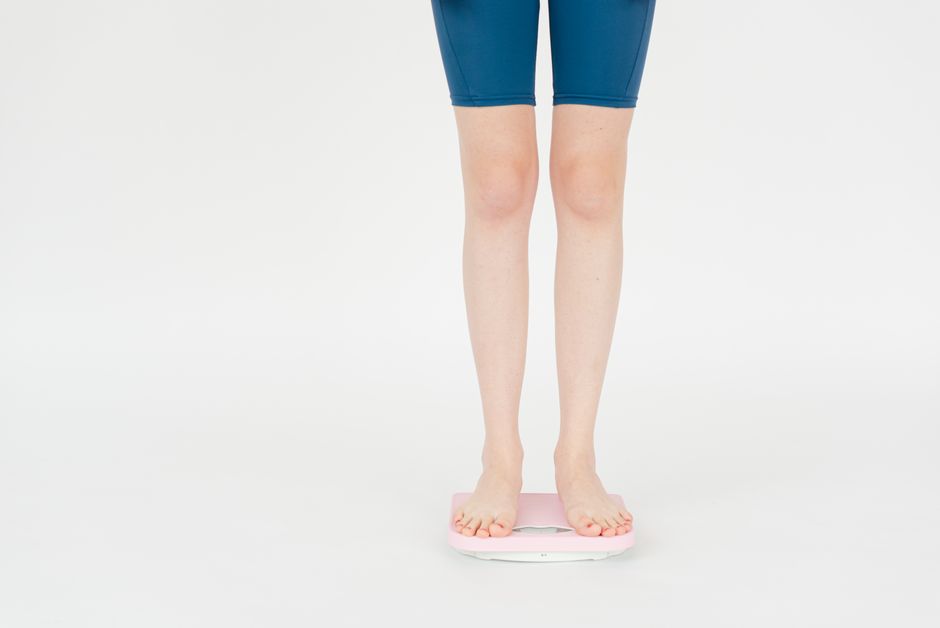
Losing weight changes your body in many ways, and for some people, that includes their feet. Yes, feet can get smaller with weight loss, both in length and width, though the change is not the same for everyone. The fat pad on the bottom of your foot thins out, and the overall volume of your foot decreases as you lose body fat, which can mean dropping a half shoe size or even a full size for some people.
Why Do Feet Get Smaller with Weight Loss?
The human foot is not just bone and muscle. It contains a significant amount of fatty tissue, especially along the sole and around the sides. This fat acts as a natural cushion for your body weight. When you carry extra pounds, your feet bear that load, and the fat pads compress and spread.
Weight loss reduces total body fat, and that includes the fat stored in your feet. As the fat diminishes, the foot becomes narrower and less voluminous. The arch may also appear higher because there is less tissue pressing down on it. This is a structural change, not just a temporary squeeze.
Your feet also contain ligaments and tendons that hold their shape. With less weight pressing down, these structures face less strain. Over time, the foot can settle into a slightly different shape. This is why some people notice their shoes feel looser even before they buy a new pair.
How Much Can Your Feet Shrink?
The amount of change varies widely from person to person. Some people lose only a fraction of a size, while others drop a full size or more. The change depends on how much weight you lose, where your body stores fat, and how much fat was originally in your feet.
People who lose a significant amount of weight, such as 50 pounds or more, are more likely to notice their feet getting smaller. Those who lose 10 to 20 pounds may see a subtle difference, often in width rather than length. The width of your foot often changes more than the length because fat tends to accumulate on the sides of the foot.
Bone structure does not change with weight loss. The length of your foot is determined by your skeleton, and that stays the same. What changes is the soft tissue around the bone. So a size 9 foot with a thick fat pad might fit into a size 8.5 shoe after weight loss, even though the bones are still the same length.
What Happens to the Fat Pad on Your Feet?
The fat pad is the thick cushion of tissue on the bottom of your foot, mainly under the heel and the ball of the foot. It acts as a shock absorber when you walk, run, or stand. This fat pad is different from regular body fat. It has a fibrous structure that helps it withstand pressure.
Weight loss thins this fat pad. That is good news for shoe fit, but it can have downsides. A thinner fat pad means less cushioning. Some people experience more foot pain after significant weight loss because the bones of the foot are closer to the ground and less protected.
If you lose weight and your feet start to hurt, especially in the heel or ball of the foot, this could be the reason. Supportive shoes with good cushioning become more important after weight loss. Insoles or orthotic inserts can help replace some of the lost natural padding.
Age also plays a role. The fat pad naturally thins as you get older, regardless of weight. If you lose weight later in life, the combined effect of age and weight loss can make your feet feel noticeably less cushioned.





Do Feet Get Narrower or Shorter?
Most people notice a change in width before they notice a change in length. Your shoe size has two components: length and width. Width is measured by letters, such as D for medium or EE for wide. Weight loss often reduces the width of your foot because fat along the sides of the foot shrinks.
Length changes are less common but do happen. The arch of your foot can rise slightly with weight loss because there is less weight pressing it down. A higher arch can make the foot measure slightly shorter on a Brannock device, the metal tool used in shoe stores. This is not your bones shrinking. It is a change in the shape and posture of your foot.
Some research suggests that weight loss can reduce the pressure on the arch and allow it to return to a more natural position. This can make the foot appear shorter and narrower. The effect is more noticeable in people who had significant arch collapse due to excess weight.
How Long Does It Take to Notice a Difference?
There is no set timeline for foot size changes. It depends on how quickly you lose weight and how your body distributes fat. Some people notice their shoes fitting differently within a few months of consistent weight loss. Others do not notice until they have lost a substantial amount.
Rapid weight loss does not necessarily mean rapid foot changes. Fat loss from the feet is not something you can control or target. Your body decides where to burn fat from, and that order is largely determined by genetics. Some people lose weight from their face first, others from their midsection, and some from their extremities.
If you are losing weight gradually, check your shoe fit every few months. Do not wait until your shoes are falling off. A shoe that is too big can cause blisters, calluses, and even changes in your walking pattern. It is better to replace shoes sooner rather than later when you notice them getting loose.
Do You Need New Shoes After Weight Loss?
Yes, in most cases you will need new shoes if your feet change size. Wearing shoes that are too large is not just uncomfortable. It can cause foot problems. Your foot slides forward when you walk, which puts pressure on your toes. This can lead to blisters, corns, and even toenail damage.
When you try on new shoes, get your feet measured professionally. Your size may have changed in both length and width. Do not assume you are the same size you were before. Feet also change with age, so your pre-weight-loss size may not have been accurate even before you lost weight.
Shop for shoes later in the day. Feet swell slightly throughout the day, and shoes that fit in the morning may be tight by evening. Try on both shoes and walk around in them. Your left and right foot may be different sizes, and that is normal. Buy for the larger foot.
For athletic shoes, replace them if they feel loose during exercise. Running or walking in oversized shoes increases your risk of ankle sprains and other injuries. A snug fit at the heel and room for your toes to move is the goal.
Can Weight Loss Cause Foot Problems?
Weight loss generally reduces stress on your feet, which is positive. Lower body weight means less pressure on your joints, tendons, and ligaments. Many people find that foot pain improves after losing weight, especially pain related to conditions like plantar fasciitis or arthritis.
However, the thinning of the fat pad can create new discomfort. The bottom of your foot may feel more sensitive, especially on hard surfaces. This is more common in people who lose a large amount of weight or who are older. If this happens, focus on footwear with thick, shock-absorbing soles.
Some people also experience changes in their gait, or the way they walk, after weight loss. A lighter body moves differently. This can shift pressure to different parts of the foot. If you notice new pain, it is worth seeing a podiatrist. They can assess your gait and recommend appropriate footwear or orthotics.
Does This Apply to Everyone?
No, not everyone experiences foot size changes with weight loss. Some people lose weight and their shoe size stays exactly the same. This is especially true for people who lose a modest amount of weight or who did not carry much fat in their feet to begin with.
People with naturally bony feet may see little change. The foot is already close to its structural size. Similarly, people who lose weight primarily from other areas of the body may not notice any difference in their feet.
Pregnancy-related weight gain and loss is a different situation. Many women find their feet grow during pregnancy and do not return to their pre-pregnancy size. This is related to hormonal changes that relax ligaments, not just weight gain. Weight loss after pregnancy may not reverse this change.
Frequently Asked Questions
Can you lose a full shoe size with weight loss?
Yes, some people drop a full shoe size with significant weight loss, especially if they lose 50 pounds or more. The change is more common in width than in length.
Why do my feet hurt after losing weight?
Weight loss thins the fat pad on the bottom of your feet, which reduces natural cushioning. Supportive shoes and insoles can help replace that lost padding.
Will my shoe size go back up if I regain weight?
Yes, if you regain weight, fat can accumulate in your feet again and your shoe size may increase. The change is reversible because it is soft tissue, not bone, that changes.
How often should I get my feet measured after weight loss?
Check your shoe fit every few months during active weight loss. Get professionally measured when you buy new shoes, and replace oversized shoes to avoid blisters and foot strain.
