

Collagen peptides have become one of the most popular supplements in the United States, sold in powders, capsules, and drinks with promises of better skin, joints, and hair. A question that comes up often, especially among people who already struggle with breakouts, is whether taking collagen can trigger acne. The short answer is that there is no strong evidence that collagen peptides directly cause acne. But the fuller answer involves how these supplements are made, what else is in them, and how they might interact with skin that is already prone to breakouts.
Do Collagen Peptides Cause Acne What Science Says
No published research has established a direct cause-and-effect link between collagen peptide supplements and acne. That is the honest position based on what has been studied so far.
Most of the human research on collagen peptides has focused on skin elasticity, hydration, and joint discomfort, not on acne. Some small studies have looked at skin aging and moisture, but acne was not the outcome being measured. That means we cannot say collagen prevents acne, and we also cannot say it causes it. The evidence simply does not address the question directly.
What we do know comes from understanding how collagen supplements work and what they contain. Collagen peptides are short chains of amino acids — mainly glycine, proline, and hydroxyproline — made by breaking down collagen from animal sources like cowhide, fish skin, and eggshell membrane. When you swallow them, your digestive system breaks them down further into individual amino acids and small peptides. These are absorbed into the bloodstream.
Here is a point that often gets lost: your body does not use these absorbed peptides to build new collagen in your skin directly. The amino acids are used wherever the body needs them. Any effect on skin is likely indirect, and researchers are still working out what that effect actually is.
Why Some People Report Breakouts After Starting Collagen
Many people who start collagen supplements report new breakouts within a few weeks. That experience is real to them, but a personal report is not the same as proof of cause. Several things could explain it.
First, correlation is not causation. Acne is common and fluctuates with hormones, stress, diet, and season. If someone starts a supplement during a period when their acne was already worsening, they may blame the supplement.
Second, some collagen products contain added ingredients that are more plausibly linked to breakouts than collagen itself. Flavored powders often include sugar, dairy-based creamers, whey, or other additives. High-glycemic diets and dairy have both been studied in relation to acne, though the evidence is mixed and not definitive for every person.
Third, collagen is a protein. Some people increase their overall protein intake when they start supplementing, and very high protein diets have been anecdotally linked to acne in some bodybuilding communities. The research here is thin. No large controlled trial has confirmed that high protein intake causes acne.
Fourth, there is a theoretical concern about amino acids and insulin. Some amino acids can stimulate insulin release, and insulin is thought to play a role in acne by increasing sebum production. This is a plausible mechanism, but plausibility is not proof. No study has shown that collagen peptides raise insulin enough to trigger acne in real people.
Is There a Link Between Collagen and Hormonal Acne?
Hormonal acne is driven mainly by androgens, which increase sebum production and change how skin cells shed inside pores. Collagen peptides do not contain hormones, and there is no established mechanism by which they would raise androgen levels.
One thing worth separating out: collagen supplements are sometimes confused with collagen produced by the body. Your body makes its own collagen, and this natural process declines with age. Taking a supplement does not appear to change your hormone profile.
Some people worry that because collagen comes from animal sources, it might contain hormones. Reputable manufacturers process collagen to remove other tissues, and the final product is primarily protein. That said, supplement regulation in the United States is less strict than for medications, and contamination is possible. If you are concerned, look for products with third-party testing.


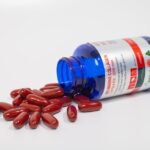


What About Collagen and Dairy or Sugar Additions?
The base ingredient is rarely the whole story. Many collagen products are blends, and the other ingredients deserve attention.
- Flavored collagen powders often contain added sugar or artificial sweeteners.
- Some “beauty” blends include whey, milk powder, or yogurt cultures.
- Coffee creamers with collagen may contain dairy and added oils.
- Some gummies contain sugar or corn syrup as a base.
Dairy and high-glycemic foods have been studied as possible acne triggers. The evidence is not strong enough to say they cause acne in everyone, but some studies suggest an association in certain populations. If you notice breakouts after starting a flavored collagen product, the additives are a reasonable place to look first.
Switching to an unflavored, single-ingredient collagen powder is a simple way to test whether the collagen itself is the issue or whether it was something else in the product.
Could Collagen Help Acne Instead of Hurting It?
Some marketers claim collagen improves acne by supporting skin repair. There is no clinical evidence that collagen peptides treat or reduce acne.
What collagen has been studied for is skin hydration and elasticity, mostly in the context of aging. Even there, results are modest and study quality varies. A few small trials have reported improvements in skin moisture and elasticity after several weeks of daily collagen supplementation. These studies were often short, sometimes industry-funded, and did not measure acne.
It is also worth knowing that collagen is not a complete protein. It lacks tryptophan, an essential amino acid. That does not make it harmful, but it means collagen alone cannot serve as your only protein source.
Who Should Be Careful With Collagen Supplements?
Collagen peptides are generally considered safe for most healthy adults when taken as directed. Reported side effects are usually mild and include digestive discomfort, bloating, or a feeling of fullness.
People with allergies to fish, eggs, or beef should check the source of their collagen, since reactions are possible. Anyone who is pregnant, breastfeeding, or managing a medical condition should talk with a healthcare provider before starting any supplement. No clinical guidelines currently exist for collagen peptide use in pregnant or breastfeeding women.
There is also the question of kidney health. High protein intake can be a concern for people with existing kidney disease. Collagen is a protein supplement, so anyone with kidney concerns should get medical advice first.
Finally, supplements in the United States are not reviewed by the FDA for effectiveness before they are sold. Quality and purity vary between brands. Third-party testing labels can help, but they are not a guarantee.
How to Tell If Collagen Is Affecting Your Skin
If you suspect collagen is contributing to breakouts, the most reliable approach is a simple elimination test. Stop the supplement for several weeks and change nothing else in your routine. If your skin improves, that is a clue, though not proof. If it does not change, collagen probably was not the cause.
Keep in mind that acne has many drivers — genetics, hormones, stress, medications, and skincare products. A single supplement is rarely the whole picture. If acne is persistent, painful, or leaving scars, a dermatologist can help identify what is actually driving it.
For most people, the more useful question is not “does collagen cause acne” but “what is actually triggering my breakouts.” That answer usually comes from looking at the whole picture, not one product.
Frequently Asked Questions
Does collagen cause acne breakouts?
No published research has shown that collagen peptides directly cause acne. Some people report breakouts after starting collagen, but added ingredients like sugar or dairy are often a more likely explanation than collagen itself.
Can collagen make hormonal acne worse?
There is no established mechanism by which collagen peptides raise androgen levels or worsen hormonal acne. Hormonal acne is driven mainly by your body’s own androgens, not by protein supplements.
What are the side effects of collagen peptides?
Reported side effects are usually mild and include bloating, digestive discomfort, or feeling full. Allergic reactions are possible in people sensitive to fish, eggs, or beef, so check the source.
Should I stop taking collagen if I get acne?
Stopping for several weeks while changing nothing else can help you tell whether the supplement is involved. If acne persists, a dermatologist can help identify the real trigger.
