
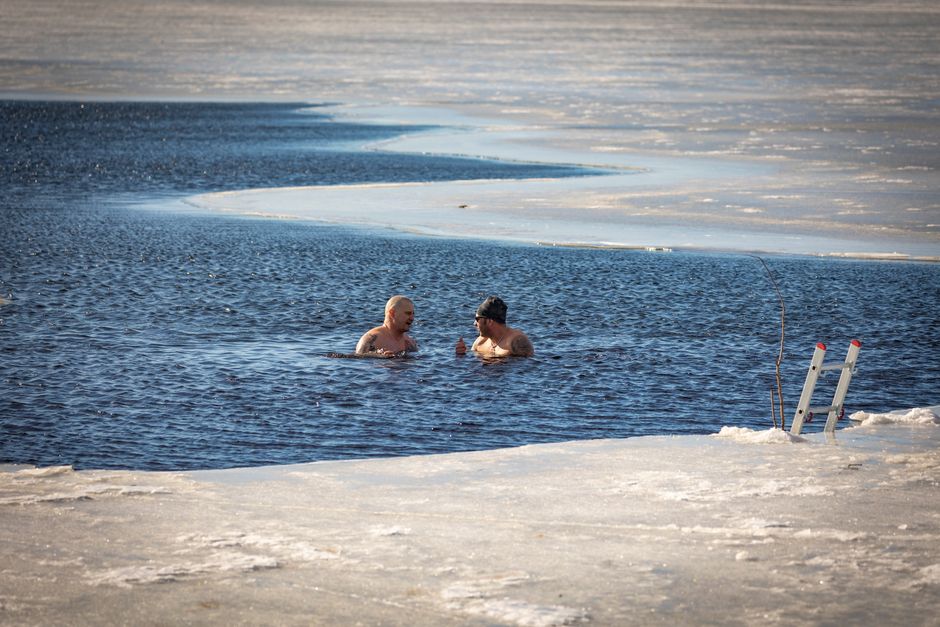
Cold plunges have become a popular wellness trend, often promoted for recovery, mood, and metabolism. The direct answer is that cold water immersion does activate brown fat, which burns calories to generate heat, but the total number of calories burned is modest and not a substitute for exercise or diet. The research on whether this translates into meaningful, long-term fat loss in humans is still limited and mixed.
What Does Cold Exposure Do to Your Body?
When you get into cold water, your body works to keep your core temperature stable. One of the main ways it does this is by activating a specific type of fat tissue called brown adipose tissue (BAT), commonly known as brown fat.
Unlike white fat, which stores energy, brown fat burns energy to produce heat. This process is called thermogenesis. It is a real, measurable physiological response. Studies have confirmed that cold exposure activates brown fat in humans, and this activation increases energy expenditure.
However, the amount of energy burned is not huge. While the exact numbers vary between studies, the calorie burn from a typical cold plunge session is generally considered small compared to what you burn during moderate exercise. It is a real effect, but it is not a metabolic miracle.
Does Activating Brown Fat Lead to Fat Loss?
This is the key question. Showing that cold water activates brown fat is one thing. Proving that regular cold plunges cause you to lose a noticeable amount of body fat is another.
Some studies suggest that people with more active brown fat tend to have lower body fat levels. This creates an association, but it does not prove that cold plunges cause fat loss. It is possible that people with healthier metabolisms simply have more active brown fat.
Research on whether regular cold acclimation actually reduces body fat mass in humans is inconsistent. Some studies show small reductions in fat mass, while others show no significant change. The evidence is not strong enough to say that cold plunges are an effective fat-loss tool on their own.
How Many Calories Does a Cold Plunge Actually Burn?
It is difficult to give a single number because the effect depends on water temperature, duration, and the individual’s body composition. However, the research generally points to a modest increase in energy expenditure.
Some research suggests that cold exposure can increase energy expenditure by a few hundred calories per hour in some conditions. But this is highly variable. A typical cold plunge lasts only a few minutes, which limits the total calorie burn.
For comparison, a 30-minute jog can burn several hundred calories. A 5-minute cold plunge is unlikely to match that. If you are using cold plunges specifically for fat loss, the math does not work in their favor compared to traditional exercise.




Can Cold Plunges Change Your Appetite or Metabolism?
There is some evidence that cold exposure might influence hormones related to appetite and metabolism. Some studies have looked at whether cold acclimation changes insulin sensitivity or affects appetite-regulating hormones.
Some research indicates that regular cold exposure may improve insulin sensitivity in some individuals. This is a metabolic benefit that goes beyond just burning calories. However, the research is not definitive, and results vary between studies.
The evidence for cold plunges suppressing appetite is weak. Some people report feeling less hungry after cold exposure, but this is not a consistently observed effect in the scientific literature. You should not rely on cold plunges to control your appetite.
What Are the Real Benefits of Cold Plunges?
Even if fat loss is not the main benefit, cold plunges may still have a place in a healthy routine. The evidence for other benefits is often stronger than the evidence for fat loss.
One well-documented effect is reduced muscle soreness after exercise. Many athletes use cold water immersion to speed up recovery. Some research supports this practice for reducing delayed onset muscle soreness (DOMS).
Cold exposure also triggers a release of norepinephrine, a hormone that can improve alertness and mood. Many people report feeling more focused and energized after a cold plunge. This is a real physiological response, even if the long-term mental health benefits need more study.
Some research suggests cold exposure may reduce inflammation in the body. This could be beneficial for overall health, but the long-term implications are not fully understood. The current evidence supports cold plunges for recovery and mood more than for fat loss.
What Are the Risks of Cold Plunges?
Cold plunges are not without risk. The cold shock response can cause a sudden increase in heart rate and blood pressure. This can be dangerous for people with heart conditions.
Hypothermia is a real risk if you stay in cold water too long. The colder the water and the longer the exposure, the higher the risk. You should always have someone nearby when doing cold plunges.
There is a risk of cold water immersion causing arrhythmias in susceptible individuals. If you have any cardiovascular issues, high blood pressure, or are pregnant, you should consult a doctor before starting cold plunges. The risks are manageable for healthy people, but they are real.
How Should You Approach Cold Plunges for Health?
If you are interested in cold plunges, start slowly. Begin with warmer water and shorter durations. A common starting point is around 50-60°F (10-15°C) for 1-2 minutes. Do not jump into the coldest water for a long time on your first attempt.
Listen to your body. If you feel dizzy, numb, or overly uncomfortable, get out. The goal is to feel a strong but manageable sensation, not to endure pain. Consistency matters more than intensity if you want to build tolerance.
Use cold plunges as one part of a broader health strategy. They are not a replacement for a balanced diet, regular exercise, or adequate sleep. Think of them as a complement to your routine, not a cure-all.
No clinical guidelines currently exist for cold plunge frequency or duration for general health. The evidence base is still developing. What works for one person may not work for another, so personal experimentation within safe limits is reasonable.
What Does the Research Say About Long-Term Fat Loss?
The long-term data on cold plunges and fat loss is simply not there. Most studies are short-term and involve small numbers of participants. No large, long-term trials have confirmed that regular cold plunges lead to significant, lasting fat loss.
Some research suggests that people who adapt to cold over weeks may increase their brown fat activity. This means your body might get better at burning calories in the cold over time. However, whether this increased activity translates into measurable fat loss remains unclear.
The honest position is that the evidence for cold plunges as a fat-loss tool is limited. The calorie burn is real but modest. If fat loss is your primary goal, your energy is better spent on diet and exercise, which have strong, proven results.
Frequently Asked Questions
Do cold plunges burn belly fat specifically?
No evidence shows that cold plunges target belly fat specifically. Fat loss from cold exposure, if it happens, would affect the whole body, not one area.
How long should a cold plunge be to burn fat?
There is no established duration for fat burning from cold plunges. Studies use varying protocols, but most are short, ranging from a few minutes to 20 minutes, and results are inconsistent.
Are cold plunges better than exercise for burning calories?
No. Exercise burns significantly more calories than a typical cold plunge session. Cold plunges should not replace exercise for weight management.
Can cold plunges help with weight loss if I do them daily?
Daily cold plunges might add a small amount to your daily calorie burn, but the effect is modest. No strong evidence confirms that daily cold plunges alone produce significant weight loss.
