
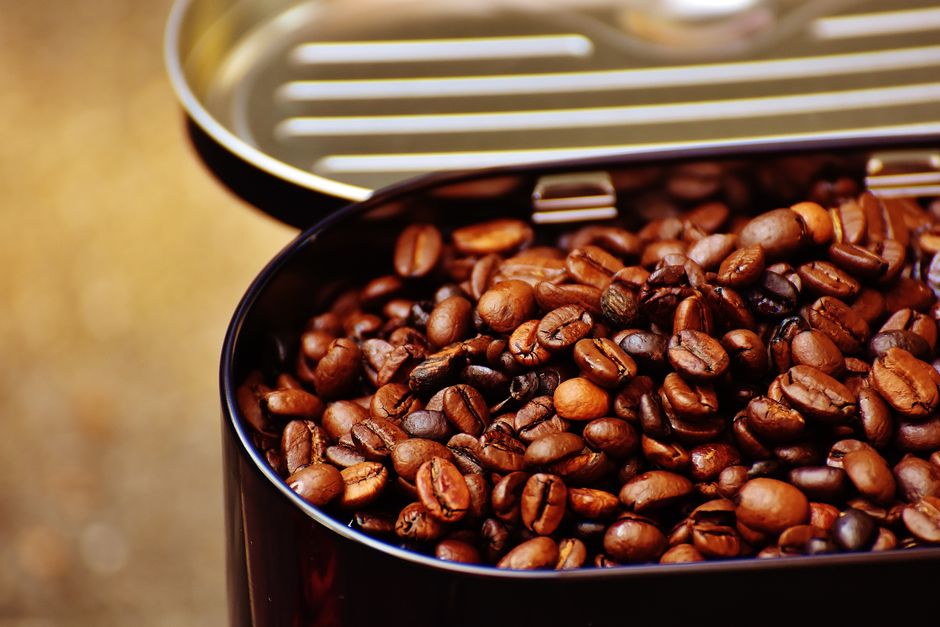
Coffee beans don’t expire the way milk or eggs do, but they do lose quality over time. Whether beans are still usable depends on how they are stored, how old they are, and whether they are roasted or unroasted. Stale coffee is not unsafe to drink, but it will not taste like fresh coffee. The real question is not about safety — it is about flavor, aroma, and how much enjoyment you get from your cup.
Do Coffee Beans Actually Expire?
Roasted coffee beans do not have a true expiration date in the food safety sense. The dates printed on coffee bags are typically “best by” or “roasted on” dates. These dates tell you when the coffee will taste its best, not when it becomes dangerous to consume.
Coffee beans are a dry food product. When stored properly, they do not support the growth of bacteria that cause foodborne illness. The main enemies of coffee beans are oxygen, light, heat, and moisture. These elements degrade the oils and compounds inside the bean that give coffee its flavor and aroma.
That said, coffee can go bad in a different way. If beans get wet or are stored in a humid environment, mold can grow. Moldy coffee should be thrown away immediately. Never brew or drink coffee that shows visible mold or has an off, musty smell.
How Long Do Coffee Beans Stay Fresh?
Freshness depends heavily on whether the beans are roasted or still green. Roasted beans have a much shorter shelf life than unroasted ones.
Roasted coffee beans are at their peak flavor between 1 and 4 weeks after roasting. Most specialty coffee roasters recommend using beans within 2 to 4 weeks of the roast date for the best taste. After about a month, the beans will still be drinkable, but the flavor will noticeably flatten. By 2 to 3 months, most people can taste the difference. The coffee will taste dull, flat, or slightly cardboard-like.
Whole beans stay fresh longer than pre-ground coffee. Grinding increases the surface area exposed to oxygen, which speeds up staling. Whole beans kept in an airtight container can stay reasonably fresh for up to a month. Pre-ground coffee starts losing significant flavor within days of grinding.
Green (unroasted) coffee beans last much longer. Stored in a cool, dry place away from light, green beans can remain viable for up to a year or more. Some commercial roasters store green beans for extended periods without major quality loss, though flavor does slowly decline over time.
What Makes Coffee Beans Go Stale?
Staling is a chemical process. Roasted coffee beans contain oils and aromatic compounds that are volatile — meaning they evaporate easily. These compounds are responsible for the complex flavors and smells you associate with fresh coffee.
When beans are exposed to oxygen, those compounds oxidize. Oxidation changes the chemical structure of the oils, creating stale, rancid, or sour flavors. Carbon dioxide also plays a role. Freshly roasted beans release carbon dioxide for days after roasting. This gas actually helps protect the beans from oxygen. Once the beans stop degassing, oxygen moves in and staling accelerates.
Moisture is another factor. Coffee beans are hygroscopic, which means they absorb moisture from the air. Absorbed moisture degrades the beans and creates an environment where mold can grow. Heat speeds up all of these chemical reactions. Light, especially sunlight, can also break down the compounds in coffee beans.
The result is a gradual loss of flavor, aroma, and complexity. Stale coffee does not become toxic. It simply becomes less pleasant to drink.




Can You Drink Expired Coffee Beans?
Yes, you can drink coffee made from beans past their best-by date. There is no established evidence that drinking stale coffee causes illness. The risk is not safety — it is taste.
If the beans have been stored properly in an airtight container away from heat, light, and moisture, they are safe to brew even months after the roast date. The coffee will taste weaker, flatter, and less aromatic. Some people describe stale coffee as tasting bitter or papery.
The exception is beans that have been exposed to moisture or have visible mold. Moldy beans can produce mycotoxins, which are compounds produced by certain fungi. Some mycotoxins are harmful if consumed in large amounts over time. If you see mold, smell something musty, or notice an unusual discoloration, discard the beans.
Also check for signs of insect infestation. Coffee beans can attract pantry pests like weevils. If you see small bugs, holes in the beans, or fine dust at the bottom of the bag, throw the beans away.
How to Store Coffee Beans to Keep Them Fresh
Proper storage is the single most important factor in extending the life of your coffee beans. The goal is to limit exposure to oxygen, light, heat, and moisture.
Here are the key storage principles:
- Keep beans in an airtight container. A sealed glass or ceramic container with a tight-fitting lid works well.
- Store beans in a cool, dark place. A pantry or cupboard away from the stove and oven is ideal.
- Avoid storing beans in the refrigerator. The moisture and odors inside a fridge can damage the beans.
- Do not store beans in the freezer unless you have a specific plan. Freezing can work for long-term storage, but it requires an airtight, vacuum-sealed bag. Taking beans in and out of the freezer causes condensation, which introduces moisture.
- Buy whole beans and grind only what you need right before brewing.
- Buy coffee in smaller quantities so you use it within a few weeks of roasting.
Some coffee bags come with a one-way valve. This valve allows carbon dioxide to escape without letting oxygen in. If your bag has this valve and can be sealed tightly, it is an acceptable storage vessel. Once opened, transfer the beans to an airtight container if the bag cannot be resealed properly.
How to Tell If Coffee Beans Have Gone Bad
Your senses are the best tools for judging whether coffee beans are still good. Check the beans before you brew.
Smell the beans. Fresh coffee beans have a strong, pleasant, aromatic smell. Stale beans smell flat, musty, or almost like nothing at all. If the beans smell sour, rancid, or like mold, discard them.
Look at the beans. Fresh roasted beans have a slight sheen from the natural oils. Over time, that sheen fades as the oils oxidize. Dry, dull, or brittle beans are likely stale. Visible mold, which may appear as fuzzy spots in white, green, or black, means the beans must be thrown away.
Check the roast date. If the bag has a “roasted on” date, use that as your reference point. If the beans were roasted more than 3 months ago, they are almost certainly past their prime. If the bag only has a “best by” date, understand that this date is a manufacturer estimate of peak quality, not a safety deadline.
Brew a small test cup. If the beans look and smell fine but you are unsure, brew a small amount. Stale coffee produces a weak, flat cup with little crema (the foam on top of espresso) and muted aroma. If the taste is acceptable to you, the coffee is fine to drink.
Does Expired Coffee Have Health Risks?
For healthy adults, drinking stale coffee does not pose a known health risk. The compounds that degrade during staling are flavor compounds, not toxins. The coffee may taste bad, but it will not make you sick.
The genuine health concern is mold. Coffee beans that have been exposed to moisture can grow mold. Some molds produce mycotoxins, including a group called ochratoxin A. High levels of ochratoxin A have been linked to kidney damage in animal studies. Regulatory agencies in the United States and Europe monitor coffee for mycotoxin levels, and commercially sold coffee is generally well within safe limits.
That monitoring applies to coffee that is properly stored. If your home-stored beans develop mold, those protections do not apply. When in doubt, throw the beans out. A bag of coffee costs a few dollars. The potential risk is not worth it.
People with compromised immune systems, pregnant women, and older adults should be especially cautious with any food product that shows signs of spoilage. When you cannot tell whether a product is safe, the conservative choice is to discard it.
Does Freezing Coffee Beans Help?
Freezing coffee beans is a debated topic among coffee professionals. The evidence is mixed, and the answer depends on how you plan to use the beans.
Freezing can slow down the staling process significantly. At freezer temperatures, the chemical reactions that cause staling nearly stop. This makes freezing useful for long-term storage of beans you do not plan to use for months.
The problem is moisture. When you remove frozen beans from the freezer, warm air hits the cold surface and condensation forms. That moisture damages the beans and can introduce mold risk. Every time you open the bag, take beans out, and put the bag back, you introduce more moisture.
If you choose to freeze coffee, follow these rules. Divide the beans into small, single-use portions. Vacuum-seal each portion in an airtight bag. Remove only one portion at a time and let it come to room temperature before opening the bag. Never refreeze beans that have thawed.
For most home coffee drinkers, freezing is unnecessary. Buying smaller amounts of fresh beans and using them within a few weeks is simpler and produces better results.
Frequently Asked Questions
How long after the expiration date can you use coffee beans?
Roasted coffee beans are safe to use for months after the best-by date if stored properly in an airtight container. The coffee will taste stale, but it will not make you sick.
What does expired coffee beans look like?
Stale beans look dull and dry with little to no oil sheen on the surface. Beans that have gone bad from moisture may show fuzzy mold spots in white, green, or black.
Is it safe to drink coffee from beans that expired 2 years ago?
If the beans were stored in an airtight container away from moisture and show no signs of mold or pests, they are likely safe but will taste flat and stale. If there is any visible mold or off smell, discard them immediately.
Does ground coffee expire faster than whole beans?
Yes, ground coffee goes stale much faster than whole beans. Grinding exposes more surface area to oxygen, which accelerates the loss of flavor and aroma compounds.
