
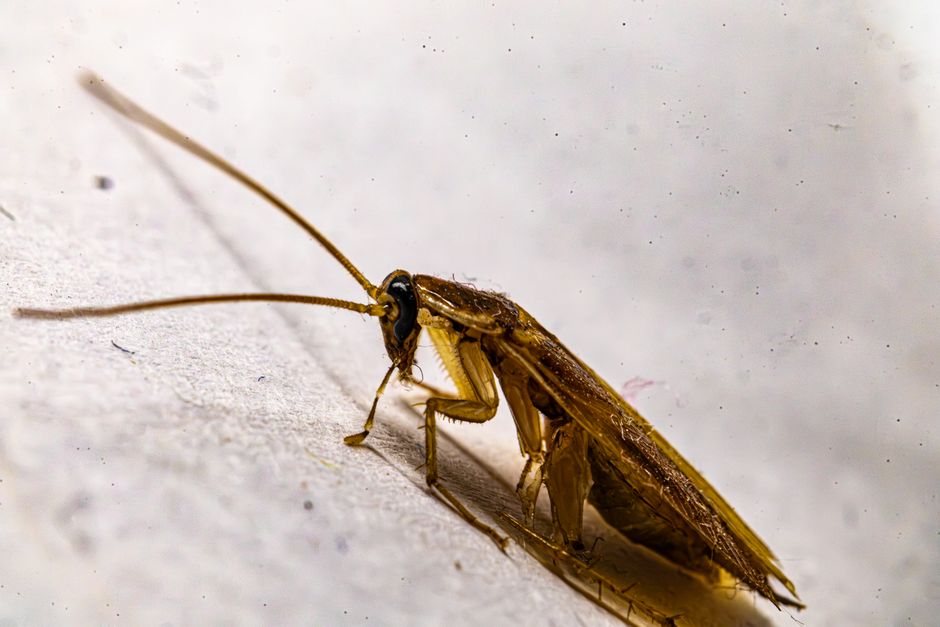
Cockroaches are drawn to moisture. High humidity makes it easier for them to survive, reproduce, and thrive inside your home. If you reduce the humidity and remove standing water, you take away one of the main reasons they stay. The most effective approach combines lowering indoor moisture with sealing entry points and removing food sources.
Why Are Cockroaches Attracted to Moisture?
Cockroaches lose water through their bodies quickly. In dry conditions, they dehydrate and die. That is why they seek out damp areas — kitchens, bathrooms, basements, and crawl spaces.
Humidity does more than keep them alive. It supports the growth of mold and fungi, which some cockroach species eat. It also softens materials like cardboard and wood, making it easier for them to chew through and find shelter.
Different species have different moisture needs. German cockroaches, the most common indoor pest in the US, prefer warm, humid areas near food and water. American cockroaches, sometimes called palmetto bugs, are drawn to sewers and drains. Oriental cockroaches are especially moisture-dependent and often enter homes during dry spells looking for water.
Understanding this matters because it explains why a dry home is less inviting. Cockroaches do not need much water to survive, but they need some. A leaky pipe, a damp sponge, or a humid bathroom can be enough.
Do Cockroaches Like Humidity And How To Stop Them?
Yes, cockroaches prefer humid environments. Most species cannot survive long in dry air because they lose body moisture rapidly. Studies show that cockroaches actively seek out areas with higher relative humidity when given the choice.
To stop them, you need to make your home less hospitable. That means reducing humidity, fixing leaks, and eliminating standing water. But moisture control alone is rarely enough. Cockroaches also need food and shelter. A complete approach targets all three.
Here is what works:
- Fix leaking pipes and faucets immediately
- Wipe down sinks and counters after use
- Do not leave standing water in trays under plants
- Use a dehumidifier in basements and crawl spaces
- Vent bathrooms and kitchens to the outside
- Store food in sealed containers
- Take out trash regularly and keep bins covered
- Seal cracks and gaps around pipes, doors, and windows
This combination removes the conditions cockroaches need to survive. Humidity reduction makes the environment hostile. Removing food and sealing entry points prevents new cockroaches from moving in.
What Humidity Level Keeps Cockroaches Away?
Indoor relative humidity between 30% and 50% is generally considered comfortable for humans. Keeping humidity below 50% makes a home less attractive to cockroaches.
Some species tolerate drier conditions better than others. Brown-banded cockroaches, for example, prefer warmer, drier areas than German cockroaches. They are often found in living rooms and bedrooms rather than kitchens and bathrooms.
A dehumidifier can make a meaningful difference in damp basements and crawl spaces. These areas often have humidity levels above 60%, which is ideal for cockroach survival. Running a dehumidifier to bring levels down to 40-50% changes the environment significantly.
It is worth noting that humidity control is a prevention strategy. If cockroaches are already established, reducing humidity alone will not eliminate them. You will likely need additional measures like baiting or trapping.





How to Find Moisture Problems in Your Home
Cockroaches are good at finding moisture you did not know existed. You need to look in the same places they do.
Start with the obvious spots. Check under sinks for slow leaks. Look at the base of toilets for water seeping out. Inspect the area around your refrigerator and dishwasher — these appliances often have hidden leaks behind them.
Then check less obvious areas. Condensation on windows indicates high humidity. A musty smell in a basement or closet suggests dampness. Discolored spots on walls or ceilings can point to a leak inside the wall.
Pay attention to where you store items. Cardboard boxes absorb moisture and provide shelter. Plastic storage bins are better because they do not hold water.
One non-obvious source of moisture is pet water bowls. Left out overnight, they provide a reliable water source for cockroaches. Empty them at night if you have an active infestation.
Do Cockroaches Need Water More Than Food?
Yes. A cockroach can survive longer without food than without water. Some species can live for a month without food but only about a week without water.
This is why moisture control is so important. Removing water sources is often more effective than removing food sources. A cockroach can find crumbs in surprising places, but it cannot survive long without water.
This also explains why cockroaches are so common in kitchens and bathrooms. These rooms have the most moisture and the most food. Even a clean kitchen has residual moisture in sinks, under appliances, and around drains.
Drains are a particular concern. The organic matter that builds up in drains provides both food and moisture. Keeping drains clean and running water through them regularly can help reduce cockroach activity.
How Long Does It Take to Get Rid of Cockroaches?
There is no single answer because it depends on the severity of the infestation and the methods used. A small problem with a few cockroaches can be resolved in a few weeks. A large infestation can take months.
Humidity reduction works gradually. It does not kill cockroaches directly — it makes the environment less hospitable so they are less likely to stay and reproduce. You may see fewer cockroaches within a few weeks of reducing moisture.
For established infestations, baiting is typically the most effective method. Gel baits contain a slow-acting poison that cockroaches carry back to their hiding places. This kills the colony over time, not just the individuals that ate the bait.
Combining moisture control with baiting and sealing entry points gives you the best chance of eliminating the problem. If you have a severe infestation, a licensed pest control professional can assess the situation and recommend a treatment plan.
Are Some Homes More Vulnerable Than Others?
Yes. Homes with poor ventilation, crawl spaces, or basements are more vulnerable because these areas naturally hold moisture. Older homes often have more gaps and cracks that allow cockroaches to enter.
Apartment buildings present a special challenge. Cockroaches can move between units through walls, pipes, and shared ventilation. Even if you keep your unit clean and dry, cockroaches can enter from a neighboring unit.
Climate also plays a role. Homes in humid regions like the Southeast face a constant battle against moisture-loving pests. Homes in dry climates have fewer cockroach problems, but even dry regions see infestations when cockroaches find indoor water sources.
Your habits matter too. Leaving dirty dishes overnight, storing food in unsealed containers, and letting trash accumulate all make your home more attractive. These habits are within your control and are worth changing.
Frequently Asked Questions
What humidity kills cockroaches?
Very low humidity below 30% can dehydrate and kill cockroaches over time. However, most homes cannot maintain such dry conditions, and cockroaches will find small moisture sources to survive.
Does a dehumidifier get rid of cockroaches?
A dehumidifier helps by removing moisture cockroaches need to survive, but it will not eliminate an existing infestation on its own. Use it alongside baiting, cleaning, and sealing entry points.
Are cockroaches worse in summer or winter?
Cockroaches are generally more active in summer when heat and humidity are higher. In winter, they move indoors seeking warmth and moisture, which is why infestations often appear during colder months.
What smell keeps cockroaches away?
Some research suggests that certain essential oils like peppermint and eucalyptus may repel cockroaches temporarily. No evidence confirms these are effective long-term solutions for an active infestation.
