
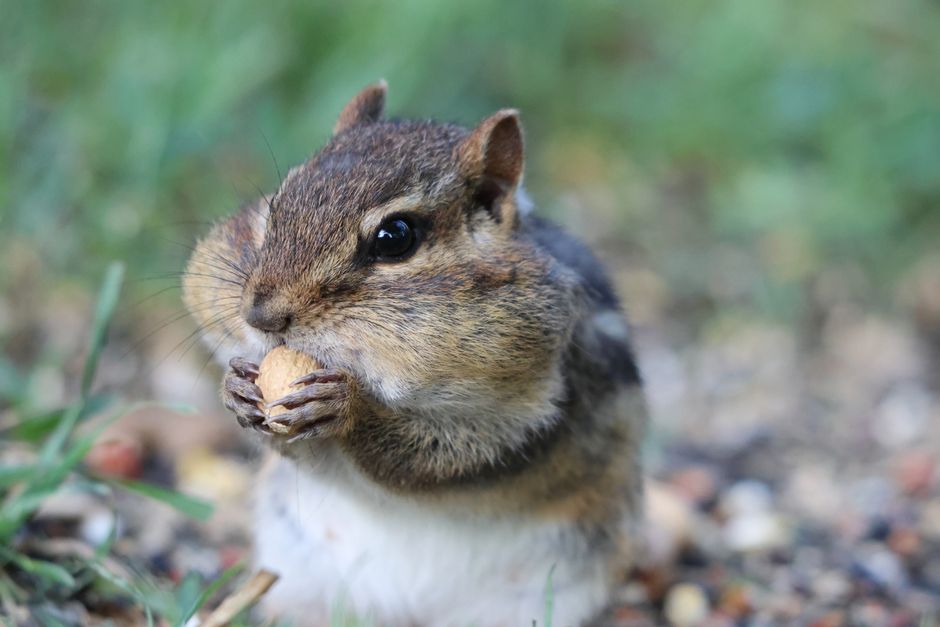
Chipmunks will eat cheese if they find it, but that does not mean it is good for them. Cheese is not a natural part of a chipmunk’s diet, and feeding it regularly can cause digestive distress and long-term health problems. While a tiny crumb of plain cheese is unlikely to poison a chipmunk, it offers no nutritional benefit and should not be offered intentionally.
Do Chipmunks Like Cheese And Is It Safe For Them?
Chipmunks are opportunistic eaters. In the wild, they eat seeds, nuts, berries, insects, and occasionally small vertebrates. They will sample almost anything that smells edible, including human food like cheese. Their willingness to eat it does not mean it is safe.
Cheese is high in fat and sodium. Chipmunks have small bodies and sensitive digestive systems built for fibrous plant material and protein from insects. Dairy products are not part of their evolutionary diet. Most chipmunks lack the enzymes needed to break down lactose efficiently, which means even small amounts can cause stomach upset.
If you want to feed wild chipmunks, there are far better options. Unsalted nuts, sunflower seeds, pumpkin seeds, and fresh berries are closer to what they naturally eat. Cheese should not be on that list.
What Happens If a Chipmunk Eats Cheese?
The immediate risk is digestive distress. Chipmunks that eat cheese may experience diarrhea, bloating, or abdominal discomfort. Lactose intolerance is common in adult mammals, and chipmunks are no exception. Even hard cheeses with lower lactose content can cause problems because of the fat and salt.
A single tiny bite of plain cheddar or mozzarella is not likely to cause lasting harm. The danger comes from repeated feeding. A chipmunk that fills up on cheese may skip the foods it actually needs, leading to nutritional imbalances over time.
Moldy cheese is a separate concern. Some molds produce mycotoxins that can be harmful to small animals. Never offer cheese that shows any sign of mold or spoilage.
Processed cheese products are worse. Cheese slices, cheese spreads, and cheese-flavored snacks contain additives, preservatives, and high sodium levels that offer no benefit and increase risk.
What Do Wild Chipmunks Actually Eat?
Chipmunks are omnivores, but their diet leans heavily on plant matter. They forage for seeds, nuts, acorns, and berries. They also eat fungi, insects, bird eggs, and occasionally small frogs or baby birds when they can catch them.
Their cheek pouches are designed for carrying food back to their burrows. They store food for winter, which means they need calorie-dense foods that will keep well. Nuts and seeds fit that need perfectly. Fresh cheese does not store well and can spoil in a burrow.
A healthy wild chipmunk diet includes:
- Sunflower seeds and pumpkin seeds
- Unsalted peanuts and tree nuts
- Fresh berries like blueberries and raspberries
- Leafy greens and tender plant shoots
- Insects like crickets and mealworms
These foods provide the protein, fats, and carbohydrates chipmunks need to survive and store energy. Cheese provides fat but lacks the fiber and micronutrients found in their natural foods.

Is Cheese Dangerous for Pet Chipmunks?
Pet chipmunks have the same digestive limitations as wild ones. Their captive diet should mimic what they would eat in nature. A commercial rodent pellet designed for chipmunks or squirrels can form the base of the diet, supplemented with fresh vegetables, fruits, nuts, and occasional insects.
Cheese is not recommended for pet chipmunks. Veterinary guidance for exotic pets generally excludes dairy products from rodent diets. The high fat content can contribute to obesity, and the sodium can strain their kidneys over time.
Some pet owners report that their chipmunks enjoy cheese and show no immediate ill effects. That observation is not evidence of safety. Digestive problems may not appear right away, and chronic issues like fatty liver disease or obesity develop slowly.
If you keep a pet chipmunk and want to offer a treat, choose something closer to its natural diet. A single unsalted almond, a small piece of apple, or a mealworm is a better choice than cheese.
What About Other Human Foods?
Chipmunks will eat many human foods they should not have. Bread, crackers, chips, candy, and other processed snacks are all things a chipmunk might accept. None of them belong in a chipmunk’s diet.
Foods that are toxic to chipmunks include chocolate, caffeine, alcohol, and avocado. These can cause serious illness or death even in small amounts. Salty snacks like pretzels and potato chips can cause dehydration and kidney strain.
Feeding wildlife human food in general creates problems beyond individual health. Animals that learn to rely on human handouts may lose their natural foraging skills. They may also approach humans more boldly, which increases their risk of injury or conflict.
How to Feed Wild Chipmunks Safely
If you enjoy watching chipmunks in your yard, you can provide food in a way that supports their health without creating dependency. Scatter seeds and nuts in areas where chipmunks naturally forage. Avoid feeding them by hand, which encourages them to approach humans.
Choose foods that are unsalted and unseasoned. Raw sunflower seeds and raw almonds are good options. Avoid roasted nuts with added salt or flavorings.
Provide fresh water in a shallow dish. Chipmunks get most of their moisture from food, but a clean water source is helpful in dry weather.
Keep feeding areas clean. Uneaten food can attract pests and spread disease. Offer small amounts and remove anything that is not eaten within a few hours.
Do not feed chipmunks cheese, dairy products, processed meats, or sugary foods. These offer no nutritional benefit and can cause real harm.
Signs of a Sick Chipmunk
If you have been feeding chipmunks and notice one that appears unwell, look for specific signs. Lethargy, diarrhea, bloating, or a visibly distended abdomen can indicate digestive distress. A chipmunk that is not moving normally or is approachable when it should be wary may be sick.
Injured or sick wildlife should be left alone unless you can contact a licensed wildlife rehabilitator. Do not attempt to treat a sick chipmunk yourself. Many human medications are toxic to small animals, and improper care can make things worse.
If you suspect your feeding habits caused the problem, stop feeding immediately. Give the animal space to recover naturally. Most digestive issues in chipmunks resolve on their own if the animal stops eating the offending food.
Frequently Asked Questions
Can chipmunks eat cheddar cheese?
A tiny piece of plain cheddar is unlikely to cause immediate harm, but it is not a good food for chipmunks. Cheddar is high in fat and salt, and dairy can upset their digestive system.
What foods are toxic to chipmunks?
Chocolate, caffeine, alcohol, and avocado are toxic to chipmunks. Processed snacks with high salt or sugar content should also be avoided.
What is the best food to feed wild chipmunks?
Unsalted sunflower seeds, raw almonds, pumpkin seeds, and fresh berries are excellent choices. These foods closely match what chipmunks eat in the wild.
Will feeding cheese make a chipmunk sick?
It can. Cheese can cause diarrhea and stomach upset because chipmunks do not digest dairy well. Regular feeding can lead to obesity and nutritional problems.
