
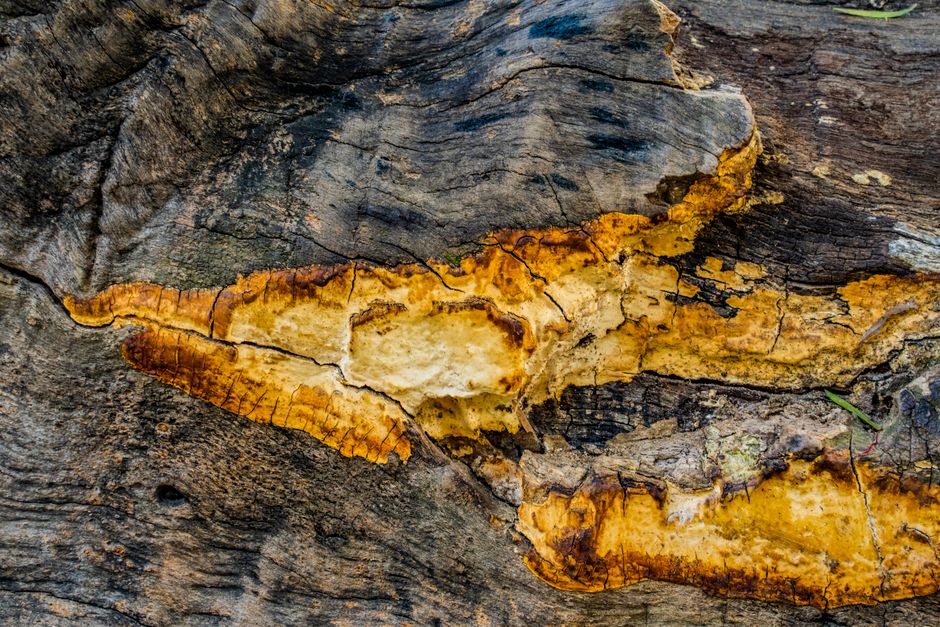
Spalted wood is wood that has started to decay from fungi, which creates striking dark lines, webs, and zones of color within the grain. It is generally safe to use for crafts, furniture, and decorative projects once it is fully dried and stabilized. However, working with spalted wood does require some precautions, particularly around inhaling fungal spores and dust.
What Does Spalted Wood Mean And Is It Safe To Use?
Spalting is a natural process where certain fungi break down parts of the wood’s cell structure. As the fungi consume nutrients, they leave behind dark pigments and thin boundary lines that separate their territories. These patterns are highly prized by woodworkers and artists because no two pieces look the same.
The safety question has two parts. The finished piece is generally safe to handle and display. The risk comes during the cutting, sanding, and finishing process, when fungal spores and wood dust become airborne.
How Does Spalting Actually Happen?
Spalting begins when a tree falls or a log sits in damp conditions. Fungi that naturally live in the soil or air colonize the exposed wood. The three types of fungi involved produce different visual effects.
White rot fungi break down lignin, the compound that gives wood its rigidity. This leaves the wood lighter and softer in patches. Brown rot fungi break down cellulose, leaving a darker, brittle material. Zone lines, the thin black spiderweb patterns, come from the fungi creating barriers against competing organisms.
The process takes weeks to months depending on the wood species, moisture level, and temperature. Spalted wood is essentially caught at a specific point in the decay process. If the fungi are allowed to continue, the wood eventually becomes punky, crumbly, and structurally useless.
Is Spalted Wood Dangerous to Your Health?
For most healthy adults, handling finished spalted wood poses little risk. The fungi that cause spalting are common environmental organisms. You encounter their spores outdoors regularly.
The real concern is dust. Cutting or sanding spalted wood releases a fine mixture of wood dust and fungal spores into the air. Inhaling any wood dust is linked to respiratory irritation, and certain molds can trigger allergic reactions or asthma symptoms in sensitive people.
People with compromised immune systems, chronic lung conditions, or mold allergies should take extra precautions. Pregnant women and young children should also avoid prolonged exposure to the dust.





What Are the Risks of Working with Spalted Wood?
Beyond respiratory concerns, spalted wood has structural weaknesses. The same fungi that create beautiful patterns also weaken the wood fibers. A piece that looks solid may have soft, punky areas that fail under pressure.
This matters most for functional items. A spalted cutting board or spoon that looks gorgeous may harbor deep decay that bacteria can colonize. The porous, partially degraded surface is harder to clean thoroughly. For these reasons, many woodworkers avoid spalted wood for food-contact items.
Structural failure is another issue. A spalted chair leg or table support may look intact but snap under load because internal decay has compromised its strength. The pattern does not reveal how deep the damage goes.
How Do You Make Spalted Wood Safe to Use?
The key to safe spalted wood is making sure it is fully dry before working with it. Drying stops fungal activity. Wood with a moisture content below 20 percent will not support active fungal growth.
Most woodworkers use a two-step approach. First, they dry the wood slowly to prevent cracking. Then they stabilize it with a penetrating resin or epoxy. This hardens the soft, decayed areas and makes the wood easier to work with.
For decorative pieces, stabilization is often optional if the wood is sound enough. For functional pieces, it is essential. Always wear a properly fitted N95 respirator when sanding or cutting spalted wood. Standard dust masks do not filter out fine fungal spores effectively.
What Should You Do If You Have a Reaction?
Symptoms of mold or wood dust exposure include coughing, wheezing, nasal congestion, eye irritation, and skin rashes. These usually appear within hours of exposure and resolve once you leave the workspace.
If symptoms persist for more than a few days, or if you develop fever, chest tightness, or shortness of breath, seek medical attention. These could indicate a more serious respiratory infection or hypersensitivity pneumonitis, a lung inflammation triggered by inhaled organic dust.
This condition is rare but serious. It is more common in people who work with moldy materials regularly without protection. Hobbyists who wear proper respirators and work in ventilated spaces rarely experience it.
Can You Buy Spalted Wood or Should You Make It Yourself?
Commercial spalted wood is widely available from specialty lumber suppliers and online marketplaces. These pieces are typically dried and stabilized already. They are the safest option because the supplier has already managed the fungal and moisture issues.
Making spalted wood at home is possible but requires patience and careful handling. The process involves keeping green wood in a damp, warm environment and inoculating it with specific fungi. The challenge is controlling the decay so the wood develops patterns without becoming too weak to use.
If you try it at home, keep the spalting process separate from your living space. The logs or boards will release spores continuously while the fungi are active. A garage, shed, or outdoor covered area is appropriate. Never bring actively spalting wood indoors.
What Is the Difference Between Spalted Wood and Rotten Wood?
The difference is timing and degree. Spalted wood is wood in the early to middle stages of fungal decay, where the structural integrity is still mostly intact. Rotten wood is the end stage, where the structure has collapsed and the material crumbles.
There is no precise line between the two. A board can be spalted on one end and rotten on the other. The visual appeal of spalting does not guarantee the wood is sound. You must test each piece individually by pressing on suspicious areas and checking for softness or crumbling.
If a piece of wood feels spongy, crumbles easily, or has large areas of discoloration that extend deep into the grain, it is probably too far gone for most projects. Use it for mulch or compost instead.
What Projects Are Best for Spalted Wood?
Spalted wood shines in decorative and low-stress applications. Wall art, display boxes, turned bowls that are not used for food, jewelry boxes, and picture frames are all excellent choices. The visual patterns are the main attraction, so pieces that show the grain clearly work best.
High-stress applications are riskier. Furniture legs, tool handles, cutting boards, and anything that bears weight or contacts food should be approached with caution. If you do use spalted wood for these items, the wood must be thoroughly stabilized and you must be confident in its structural integrity.
Some woodworkers use spalted wood for knife handles and other small items. These can work well if the wood is stabilized and the handle is properly sealed. The key is honest assessment of each individual piece.
Frequently Asked Questions
Can spalted wood make you sick?
Inhaling dust from spalted wood can cause respiratory irritation, allergic reactions, or asthma symptoms in sensitive people. Finished pieces are generally safe to handle, but always wear an N95 respirator when cutting or sanding.
Is spalted wood safe for cutting boards?
Most woodworkers avoid spalted wood for cutting boards and other food-contact items because the fungal decay creates porous areas where bacteria can hide. If you must use it, the wood needs heavy stabilization and a food-safe sealing finish, but the risk remains higher than with sound wood.
How can you tell if spalted wood is too far gone?
Press your thumb into suspicious areas. If the wood feels spongy, crumbles, or leaves an indentation, it is too decayed for structural use. Sound spalted wood should feel firm and solid despite the dark patterns.
Does drying spalted wood kill the fungi?
Drying stops fungal activity because the fungi require moisture to survive. Wood dried below 20 percent moisture content will not support active fungal growth, which makes the wood safe to handle and work with.
