
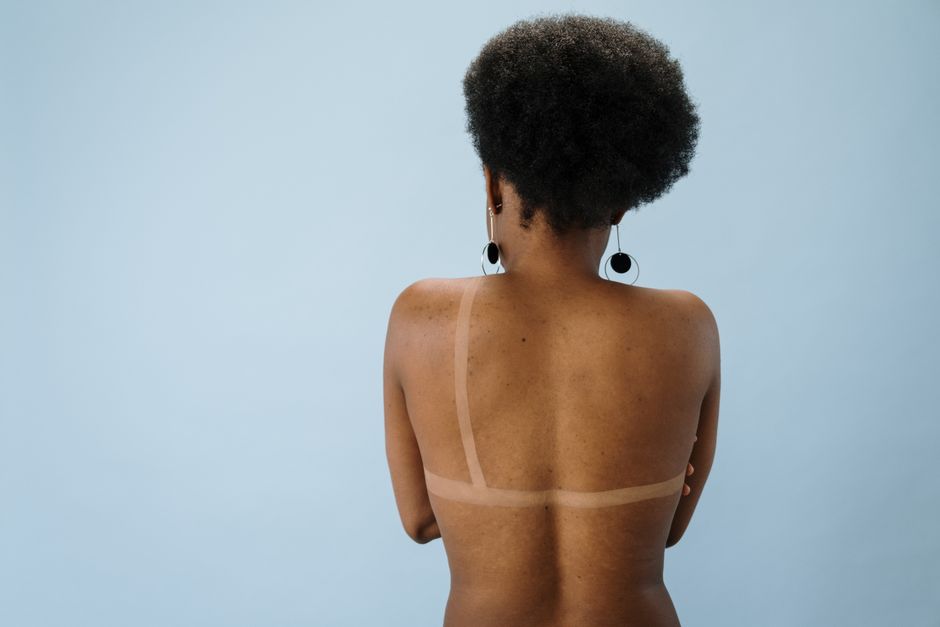
Yes, Black people can and do get sunburns. Melanin provides some natural protection, but it is not a complete shield. Anyone with skin can burn from too much UV exposure, regardless of skin color.
What Does Melanin Actually Do for Skin Protection?
Melanin is the pigment that gives skin its color. It works like a natural sunscreen by absorbing and scattering UV radiation. People with darker skin have more melanin, which means they have more built-in protection than people with very light skin.
Research published in the Journal of the American Academy of Dermatology found that Black skin has a natural SPF of around 13.4. White skin measures closer to 3.4. That difference matters, but an SPF of 13 is still far below what experts recommend for sun protection.
The American Academy of Dermatology advises everyone to use sunscreen with an SPF of 30 or higher. That means even the natural protection in Black skin is not enough on its own. You still need sunscreen to avoid burning and long-term skin damage.
Do Black People Get Sunburns at the Same Rate as Other Groups?
No, the rates are different. The CDC reports that sunburn is less common among Black Americans than among White Americans, but it still happens. About 13% of Black adults reported at least one sunburn in the past year according to CDC survey data. For White adults, that number was about 65%.
These numbers do not mean Black people are immune. They mean the risk is lower, not zero. A 13% rate still represents millions of people getting sunburned each year.
One reason the rate is lower is that darker skin burns less easily. But another reason is that many Black people do not spend as much time in direct sun without protection, partly because the risk is less obvious. This can create a false sense of safety.
Why Do Some People Think Black People Cannot Get Sunburned?
This myth comes from a misunderstanding of how melanin works. Some people assume that if you have dark skin, you are fully protected. That is not true. Melanin helps, but it does not block all UV rays.
Another reason is that sunburn on Black skin does not always look the same as sunburn on white skin. On lighter skin, a burn turns red quickly and is easy to spot. On darker skin, a burn may appear as a darker patch or feel tender and hot without obvious redness. The burn is real, but it is harder to see.
Some people report that they have never burned, so they assume it is impossible. But personal experience is not the same as biology. Many Black people who say they never burn may have had mild burns they did not recognize.





What Are the Real Risks of Sun Exposure for Black People?
Sunburn is not the only concern. UV radiation causes skin cancer in people of all skin tones. The difference is which types of skin cancer are most common.
According to the Skin Cancer Foundation, Black people are less likely to get melanoma, the deadliest form of skin cancer. But when they do get it, it is often diagnosed at a later stage. That makes it harder to treat. The survival rate for melanoma in Black patients is lower than in White patients for this reason.
There is also a condition called solar lentigo, which are dark spots caused by sun exposure. These are common in people with darker skin. They are not dangerous but can be mistaken for skin cancer. A dermatologist can tell the difference.
Another risk is vitamin D deficiency. Melanin blocks some UVB rays, which are needed for vitamin D production. Some Black people who avoid the sun completely may end up with low vitamin D levels. The right balance is to get some sun exposure for vitamin D while still protecting against burns.
How Should Black People Choose and Use Sunscreen?
There is no special sunscreen for Black skin, but some types work better than others. Mineral sunscreens with zinc oxide or titanium dioxide can leave a white cast that is more noticeable on darker skin. Chemical sunscreens tend to rub in clear.
Many brands now make sunscreens specifically designed for darker skin tones. These use chemical filters or micronized minerals that do not leave a visible residue. Look for labels that say “sheer” or “invisible finish.”
Here is a quick comparison of sunscreen types for darker skin:
| Sunscreen Type | How It Looks on Dark Skin | Best For |
|---|---|---|
| Chemical sunscreen | Clear, no white cast | Daily face use |
| Mineral sunscreen (zinc oxide) | White cast possible | Sensitive skin or kids |
| Tinted mineral sunscreen | Matches skin tone | Makeup replacement |
| Spray sunscreen | Clear or light residue | Body coverage |
Apply sunscreen 15 minutes before going outside. Use about a shot glass full for your whole body. Reapply every two hours or after swimming or sweating. This applies to everyone, no matter your skin color.
What Are the Signs of Sunburn on Black Skin?
Sunburn on Black skin can look different than on lighter skin. Here are the signs to watch for:
- Skin feels hot or tender to the touch
- The burned area looks darker than your usual skin tone
- You notice swelling or tightness in the skin
- Blisters form in severe cases
- Peeling happens a few days later
If you notice any of these signs after being in the sun, you have a sunburn. Treat it the same way anyone would. Get out of the sun. Apply a cool compress. Use aloe vera or a gentle moisturizer. Drink extra water. If blisters cover a large area, see a doctor.
Some people with darker skin also develop post-inflammatory hyperpigmentation after a burn. This means the burned area stays darker for weeks or months after healing. It is not dangerous but can be frustrating. Using sunscreen on the healed area helps prevent the dark spot from getting worse.
Frequently Asked Questions
Can Black people get skin cancer from the sun?
Yes. Black people can develop skin cancer from UV exposure. It is less common than in lighter-skinned people but often diagnosed later, which makes it more dangerous.
What SPF should Black people use?
The American Academy of Dermatology recommends SPF 30 or higher for everyone. Darker skin has natural SPF of about 13, which is not enough on its own.
Do Black people need sunscreen on cloudy days?
Yes. Up to 80% of UV rays pass through clouds. Sunburn and skin damage can still happen even when the sun is not visible.
Can sunburn on Black skin cause permanent damage?
Yes. Sunburn increases skin cancer risk and can cause dark spots that last for months. Repeated burns accelerate skin aging in all skin types.
