
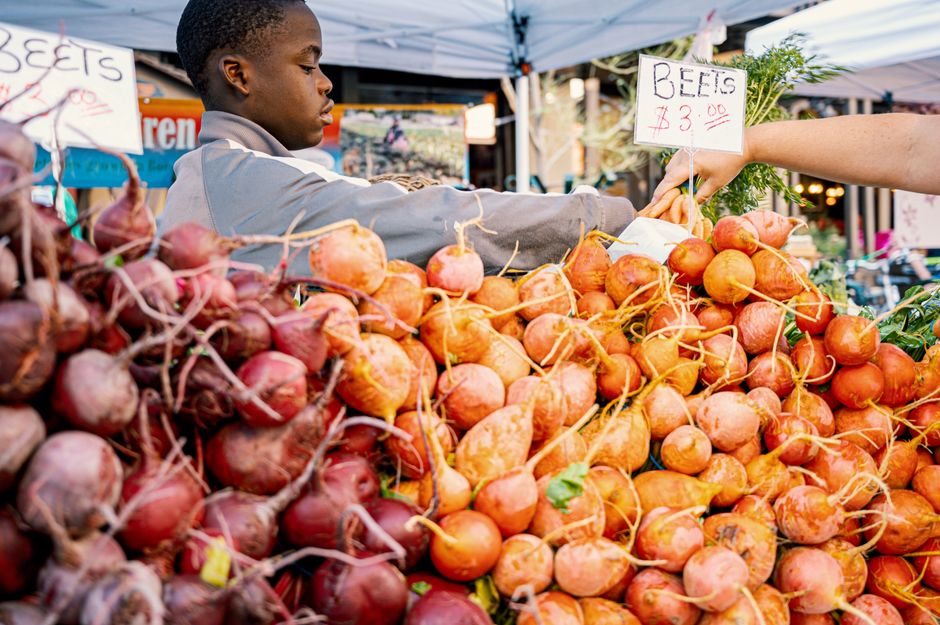
Beets are a rich source of dietary nitrate and pigments called betalains, and research suggests both compounds may influence inflammatory pathways in the body. Studies indicate that regular consumption of beets or beet juice can lower certain markers of inflammation, though the effect is modest and not a substitute for medical treatment. The evidence is strongest for the nitrate content, which the body converts to nitric oxide, a molecule that supports blood vessel function and can reduce inflammatory stress.
What Causes Inflammation in the Body?
Inflammation is the immune system’s natural response to injury or infection. Acute inflammation is short-term and protective — it is why a sprained ankle swells or a cut becomes red and warm. Chronic inflammation is different. It persists for months or years and can damage healthy tissue.
Chronic inflammation is linked to conditions like heart disease, type 2 diabetes, arthritis, and autoimmune disorders. Diet is one factor that influences inflammatory status. Highly processed foods, excess sugar, and refined oils tend to promote inflammation. Whole plant foods, including beets, are associated with lower inflammatory markers.
The key distinction is that food cannot cure existing inflammatory disease. What it can do is support the body’s natural regulatory systems, potentially reducing the background level of inflammation that contributes to disease progression over time.
Do Beets Help with Inflammation? What the Science Shows
Research on beets and inflammation focuses on two main components: betalains and dietary nitrate. Betalains are the pigments that give beets their deep red color. They act as antioxidants, meaning they can neutralize reactive molecules that would otherwise damage cells and trigger inflammatory responses.
Dietary nitrate is converted in the body to nitric oxide. Nitric oxide relaxes blood vessels, improves blood flow, and has anti-inflammatory effects on the lining of blood vessels. This is why much of the beet research has centered on cardiovascular health and exercise performance.
Some studies have found that drinking beet juice reduces levels of inflammatory markers like C-reactive protein (CRP) and interleukin-6 (IL-6). These are proteins the body produces during inflammation. Lower levels suggest less inflammatory activity. The effect appears within hours of consumption and can last for a day or more.
However, the studies are often small and short-term. Most involve beet juice rather than whole beets, and the amounts used are larger than what most people eat in a normal meal. The evidence is promising but not conclusive.
What Is the Active Compound in Beets?
Nitrate is the most studied compound in beets. A typical serving of beet juice contains significantly more nitrate than most vegetables. Leafy greens like spinach and arugula also contain high levels, but beets are among the most concentrated sources.
When you eat nitrate, bacteria in your mouth convert it to nitrite. In the acidic environment of the stomach, nitrite is further converted to nitric oxide. This process depends on having healthy oral bacteria — using antibacterial mouthwash can reduce the conversion significantly.
Betalains are a separate class of compounds. They are responsible for the red and yellow colors in beets and some other plants. Research has shown betalains can scavenge free radicals and reduce oxidative stress in laboratory settings. Whether this translates to meaningful anti-inflammatory effects in humans is less clear.
Both compounds work differently. Nitrate primarily affects blood vessels and circulation. Betalains act more broadly as antioxidants. Together they may provide complementary benefits, but most clinical studies have not separated the two effects.




What Does the Research on Beet Juice and Inflammation Show?
Several small clinical trials have examined beet juice and inflammatory markers. Participants typically drink about 250 to 500 milliliters of beet juice daily for one to two weeks. Some studies report reductions in CRP and other inflammatory markers; others find no significant change.
A study published in the journal Nutrients examined beet juice supplementation in adults with high blood pressure. The researchers found reductions in both blood pressure and markers of vascular inflammation. Another study in the Journal of Applied Physiology looked at beet juice and exercise recovery, finding reduced muscle soreness and lower inflammatory markers after intense exercise.
Not all research is positive. Some trials have found no effect on inflammatory markers, particularly in healthy young adults who already have low levels of inflammation. This makes sense — if your baseline inflammation is already low, there is less room for improvement.
The strongest evidence supports beets for improving blood vessel function. The anti-inflammatory effects are likely secondary to improved circulation and reduced oxidative stress. That is still valuable, but it is not the same as a direct anti-inflammatory drug effect.
How Many Beets Should You Eat to See an Effect?
No official guidelines exist for beet consumption specifically to reduce inflammation. The amounts used in research are generally higher than typical dietary intake. Most studies use 250 to 500 milliliters of beet juice, which is roughly one to two cups. That equals about two to four whole beets.
For practical purposes, eating one medium beet or drinking a small glass of beet juice daily is a reasonable starting point. This provides a meaningful dose of nitrate without excessive sugar intake. Beet juice is relatively high in natural sugars, so people with diabetes should account for the carbohydrate content.
Roasting or steaming whole beets preserves most of the nitrate content. Boiling leaches nitrate into the cooking water. If you boil beets, the water itself contains much of the beneficial compounds — using it in soups or sauces is a good way to retain the nutrients.
Consistency matters more than quantity. Occasional beet consumption is unlikely to have lasting effects on inflammatory status. Regular intake over weeks or months is more likely to produce measurable changes.
Are There Other Foods That Reduce Inflammation?
Beets are not unique. Many plant foods contain compounds with anti-inflammatory properties. The Mediterranean diet, which is rich in fruits, vegetables, whole grains, nuts, and olive oil, is consistently associated with lower inflammatory markers in research studies.
Foods with similar nitrate content include spinach, arugula, celery, and lettuce. Foods rich in antioxidants include berries, dark leafy greens, turmeric, and green tea. Omega-3 fatty acids from fatty fish like salmon and sardines also have well-documented anti-inflammatory effects.
The pattern of eating matters more than any single food. A diet built around whole plant foods, healthy fats, and adequate protein is more effective at managing inflammation than adding one “superfood” to an otherwise poor diet.
Beets can be part of this pattern, but they are not a replacement for it. No food, including beets, can offset the inflammatory effects of a diet high in ultra-processed foods and added sugars.
Who Should Be Careful with Beet Consumption?
Most people can eat beets safely. There are a few important exceptions. People with kidney stones should limit beets because they are high in oxalates, which can contribute to calcium oxalate stones. Anyone with a history of kidney stones should discuss beet intake with their doctor.
People taking blood pressure medication should be aware that beet juice can lower blood pressure further. The effect is usually modest, but combined with medication it could cause dizziness or lightheadedness. Monitoring blood pressure when starting regular beet consumption is prudent.
Beeturia is a harmless condition where urine turns pink or red after eating beets. It affects about 10 to 14 percent of people and is not a cause for concern. It can, however, be mistaken for blood in the urine, so it is worth knowing about if you eat beets regularly.
Pregnant women can eat beets as part of a normal diet. No specific clinical guidelines exist for beet supplementation during pregnancy, so whole food consumption is the safer choice over concentrated juices or extracts.
What Is the Bottom Line on Beets and Inflammation?
Beets can be a useful addition to an anti-inflammatory diet. The evidence supports modest benefits, primarily through nitrate-derived nitric oxide and antioxidant betalains. The effects are real but not dramatic.
Beets are not a treatment for inflammatory disease. They do not replace medication, and no research suggests they can reverse conditions like rheumatoid arthritis or inflammatory bowel disease. What they can do is contribute to a dietary pattern that supports lower background inflammation.
The most honest summary is this: eating beets regularly is a reasonable, evidence-informed choice for anyone looking to support cardiovascular health and reduce inflammatory stress. The benefits are modest, consistent with what we see from most whole plant foods, and best achieved through a varied diet rather than any single food.
Frequently Asked Questions
How quickly do beets reduce inflammation?
Some studies show changes in inflammatory markers within hours of drinking beet juice, but meaningful reductions typically require daily consumption over one to two weeks. The effect is gradual and depends on your baseline level of inflammation.
Is beet juice better than whole beets for inflammation?
Beet juice delivers a higher concentration of nitrate and betalains per serving, which is why most research uses juice. Whole beets provide the same compounds plus fiber, which supports gut health and may have additional anti-inflammatory benefits.
Can beets replace anti-inflammatory medication?
No. Beets have modest anti-inflammatory effects and are not comparable to prescription anti-inflammatory drugs. Never stop or change medication without consulting your doctor.
Do cooked beets still help with inflammation?
Yes, but the method matters. Roasting or steaming preserves most nitrate and betalain content, while boiling leaches these compounds into the water. If you boil beets, save the cooking liquid for soups or sauces.
