
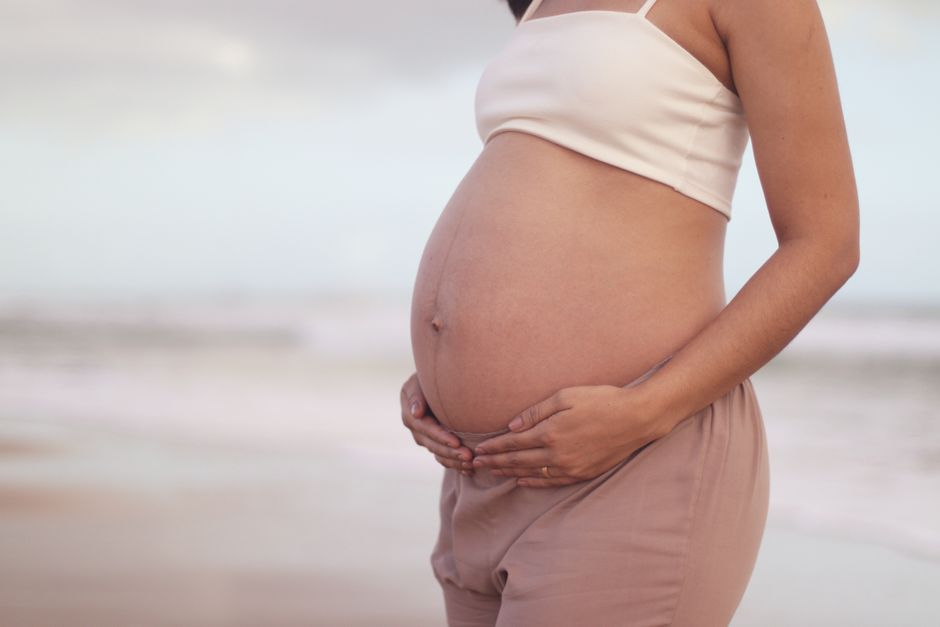
No, babies do not breathe in the womb the way we do after birth. They do not use their lungs to inhale air. Instead, they receive oxygen through the umbilical cord and placenta. Their lungs develop and practice specific movements, but they do not take a true breath of air until their first cry after delivery.
Do Babies Breathe In The Womb?
The short answer is no — not in the way you might think. A fetus gets all its oxygen from the mother’s blood supply through the placenta and umbilical cord. The lungs are present and growing, but they are filled with fluid, not air. The fetus does not inhale oxygen and exhale carbon dioxide like a newborn does.
What babies do in the womb is practice breathing movements. These are rhythmic motions of the diaphragm and chest wall that prepare the respiratory muscles for life after birth. These movements are not true breathing because no gas exchange happens. The oxygen comes from the placenta, not the lungs.
How Do Fetuses Get Oxygen Before Birth?
Oxygen travels from the mother’s bloodstream through the placenta and into the umbilical cord. The umbilical vein carries oxygen-rich blood to the fetus. This blood bypasses the lungs entirely because the lungs are not yet functional for gas exchange.
There are special shunts in the fetal circulatory system that route blood away from the lungs. The foramen ovale and ductus arteriosus are two of these shunts. They direct blood to the rest of the body and back to the placenta. At birth, these shunts close, and blood begins flowing to the lungs for the first time.
This is a dramatic shift. In a single moment, the newborn’s circulatory system changes from relying on the placenta to relying on its own lungs. This transition is triggered by the first breath.
What Are Fetal Breathing Movements?
Fetal breathing movements are exactly what they sound like — the fetus moves its diaphragm and chest wall in a pattern that resembles breathing. These movements begin early in pregnancy and become more regular as the fetus grows.
These movements are important for development. They strengthen the respiratory muscles and help the lungs expand and mature. They also help regulate the amount of amniotic fluid in the womb. The fetus inhales and exhales small amounts of this fluid during these practice movements.
Fetal breathing movements are not constant. They occur in episodes and are more common during certain times of day. They tend to increase after the mother eats and during periods of fetal activity. They may decrease when the mother is stressed or if blood sugar levels drop.
Doctors can observe these movements on ultrasound. Their presence is a reassuring sign of fetal health. Absent or reduced fetal breathing movements can sometimes indicate a problem, but this is not always the case. It depends on the stage of pregnancy and other factors.





When Do Fetal Lungs Become Functional?
The lungs begin forming early in pregnancy, but they take months to mature. By around 24 weeks of gestation, the lungs have developed enough that a baby born at this point has a chance of survival with intensive medical support. However, the lungs are still very immature at this stage.
The most critical development happens in the third trimester. This is when the lungs produce surfactant. Surfactant is a substance that coats the inside of the air sacs, or alveoli, and keeps them from collapsing. Without enough surfactant, a newborn cannot keep its lungs open and will struggle to breathe.
Most babies produce enough surfactant by around 34 to 36 weeks of pregnancy. This is why babies born before this time are at higher risk for respiratory distress syndrome. Their lungs may be structurally present, but they lack the chemical maturity needed to breathe effectively.
Lung development continues after birth. A baby’s lungs are not fully mature at birth, even at full term. The alveoli continue to multiply and mature during the first few years of life.
Do Babies Practice Swallowing Amniotic Fluid?
Yes. Fetal breathing movements involve moving amniotic fluid in and out of the lungs. This is different from swallowing, which is a separate action. The fetus swallows amniotic fluid regularly, and this helps develop the digestive system.
The fluid that moves in and out of the lungs during fetal breathing movements is important for lung development. It helps stretch the lung tissue and promotes the growth of the airways. Without this fluid movement, the lungs would not develop normally.
This is why a condition called oligohydramnios — low amniotic fluid — can be problematic. If there is not enough fluid, the lungs may not develop fully. This is one reason doctors monitor amniotic fluid levels during pregnancy.
What Happens At The Moment Of Birth?
The first breath is a major event. When a baby is born, it takes its first true breath of air. This breath is often accompanied by a cry. The cry helps clear fluid from the airways and expands the lungs for the first time.
Several things trigger this first breath. The change in temperature, the physical stimulation of birth, and the clamping of the umbilical cord all play a role. The drop in oxygen levels and rise in carbon dioxide also stimulate the respiratory center in the brain.
With the first breath, the fluid in the lungs is absorbed or expelled. The alveoli open up for the first time. Blood flow to the lungs increases dramatically as the shunts close and the circulatory system switches to its postnatal pattern.
This transition usually happens within seconds to minutes after birth. Most babies take their first breath within 10 seconds of delivery. The entire transition of the circulatory system takes a bit longer, but it is well underway within the first minutes of life.
Can Babies Breathe Underwater After Birth?
This is a common question, and the answer is no. The diving reflex is real, but it does not mean a baby can breathe underwater. The reflex causes a baby to hold its breath and slow its heart rate when its face is submerged in water. This is a protective response, not a way to breathe.
Newborns also have a reflex that causes them to swallow rather than inhale when their mouth and nose are covered with fluid. This reflex is strongest in the first six months of life. It is why some babies can be born underwater during a water birth without inhaling the water.
However, this reflex is not reliable and should never be tested. A baby can still inhale water, especially if it is submerged for more than a few seconds or if it is stressed. Water birth is only safe under the supervision of trained medical professionals, and even then, it is not without risks.
What Happens If A Baby Breathes Meconium?
Meconium is the first stool a baby passes. Sometimes, a fetus passes meconium in the womb, especially if it is stressed. This meconium can mix with the amniotic fluid the fetus is practicing breathing. If the baby inhales this fluid into its lungs, it is called meconium aspiration.
Meconium aspiration can cause breathing problems after birth. The meconium can block airways and cause inflammation in the lungs. It can also interfere with the production of surfactant. In severe cases, it can lead to respiratory distress and require oxygen therapy or mechanical ventilation.
Not every baby who passes meconium will aspirate it. And not every baby who aspirates meconium will have serious problems. The severity depends on how much meconium is inhaled and how thick it is. Doctors monitor for this during labor and delivery and are prepared to treat it if it occurs.
Frequently Asked Questions
Do babies breathe in the womb?
No, babies do not breathe air in the womb. They receive oxygen through the placenta and umbilical cord, and their lungs remain filled with fluid until birth.
When do babies start practicing breathing in the womb?
Fetal breathing movements can be seen on ultrasound as early as the first trimester, but they become more regular and noticeable in the second half of pregnancy.
Can a baby drown in the womb?
No, a baby cannot drown in the womb. The lungs are filled with amniotic fluid, and oxygen comes from the placenta, not from breathing the fluid.
How long after birth does a baby take its first breath?
Most babies take their first breath within seconds of delivery, usually within 10 seconds. The first breath is often accompanied by a cry.
