
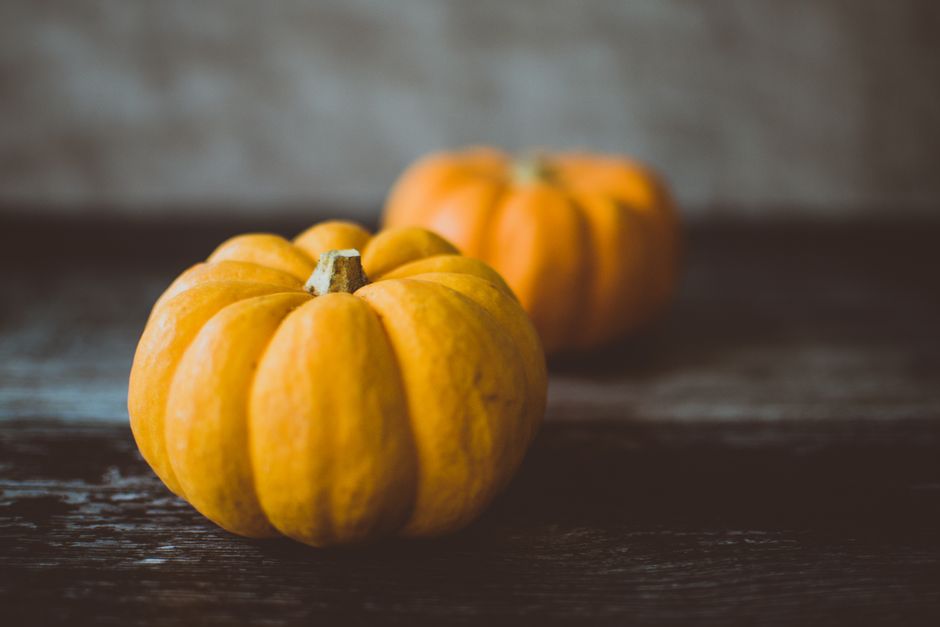
Canned pumpkin is a nutrient-dense food that most people keep in their pantry without thinking much about it. One cup of plain canned pumpkin contains roughly 80 calories, about 7 grams of fiber, and more than 200% of the daily value for vitamin A. It is not the same as pumpkin pie filling, which has added sugar and syrup. Plain canned pumpkin is just cooked, pureed pumpkin with no additives, and it offers a concentrated source of vitamins, minerals, and antioxidants that are available year-round.
What Is Actually in Canned Pumpkin?
Plain canned pumpkin is cooked pumpkin that has been pureed and sealed. The ingredient list should contain one word: pumpkin. Some brands may use a specific variety of squash, which is legally allowed under FDA labeling rules, but the nutritional profile is essentially the same.
Pumpkin pie filling is different. It contains sugar, spices, and sometimes condensed milk. It is a dessert product, not a vegetable. Always check the label before buying. If the ingredient list includes anything beyond pumpkin, you are not buying plain canned pumpkin.
Canned Pumpkin Nutrition Information by the Numbers
One cup (245 grams) of plain canned pumpkin provides the following approximate values based on USDA standard reference data:
- Calories: 80-85
- Protein: 2-3 grams
- Carbohydrates: 19-20 grams
- Fiber: 7 grams
- Sugars: 8 grams (naturally occurring)
- Fat: less than 1 gram
- Vitamin A: over 200% of the daily value
- Vitamin K: about 40% of the daily value
- Potassium: about 15% of the daily value
- Iron: about 15% of the daily value
The vitamin A content is the standout feature. Canned pumpkin is one of the richest food sources of vitamin A in the form of beta-carotene, which the body converts to retinol. This matters for vision, immune function, and skin health.
How Does Canned Pumpkin Compare to Fresh Pumpkin?
Fresh pumpkin and canned pumpkin are nutritionally similar. If anything, canned pumpkin often has a slightly higher concentration of nutrients because the cooking process removes some water, making the puree denser per cup.
Fresh pumpkin contains more moisture. When you cook and puree it at home, you get a similar product to canned. The can version is simply more convenient and consistent. There is no meaningful nutritional advantage to cooking your own pumpkin from scratch, assuming the canned product has no added ingredients.
One difference is sodium. Some brands add salt to canned pumpkin. Check the label. If sodium content matters to you, look for a no-salt-added version. Plain canned pumpkin without added salt contains only trace amounts of sodium.




Fiber and Digestive Health Benefits
Seven grams of fiber per cup is substantial. For comparison, that is about 25% of the daily fiber recommendation for most adults. Most Americans get far less fiber than recommended, so canned pumpkin is a practical way to close that gap.
The fiber in pumpkin is mostly insoluble, which adds bulk to stool and helps prevent constipation. It also contains some soluble fiber, which can help manage blood sugar by slowing digestion. This makes canned pumpkin a reasonable food choice for people watching their carbohydrate intake, though portion size still matters.
Vitamin A and Beta-Carotene Explained
Beta-carotene is the orange pigment in pumpkin. It is a provitamin A carotenoid, meaning the body converts it into active vitamin A as needed. This conversion is regulated, so consuming large amounts of beta-carotene from food is not considered toxic. The same is not true for preformed vitamin A found in animal products and supplements.
This distinction matters. You can eat canned pumpkin regularly without worrying about vitamin A toxicity. The body simply converts less beta-carotene when its vitamin A stores are adequate. High-dose vitamin A supplements are a different matter entirely and can cause harm, but that risk does not apply to pumpkin.
Vitamin A supports the immune system, maintains healthy mucous membranes, and is essential for night vision. A deficiency in vitamin A is rare in the United States, but suboptimal intake is not uncommon, particularly in older adults.
Antioxidants and Anti-Inflammatory Properties
Beyond beta-carotene, canned pumpkin contains other carotenoids including lutein and zeaxanthin. These compounds are associated with eye health, specifically the prevention of age-related macular degeneration. Research on carotenoids and eye health has been consistent over decades, though most studies focus on dietary patterns rather than pumpkin specifically.
Pumpkin also contains vitamin C, though in modest amounts. One cup provides about 10-15% of the daily value. This is not remarkable compared to citrus fruits, but it contributes to overall antioxidant intake.
The antioxidant content of pumpkin is preserved reasonably well through canning. The heating process actually makes some carotenoids more bioavailable because it breaks down plant cell walls, releasing the pigments for easier absorption.
Is Canned Pumpkin Good for Blood Sugar Control?
Pumpkin has a moderate glycemic index, meaning it does not cause rapid spikes in blood sugar when eaten in reasonable portions. The fiber content helps slow glucose absorption. However, the natural sugars in pumpkin are still carbohydrates, and they count toward your daily carbohydrate budget.
What matters most is how you eat it. Plain canned pumpkin added to oatmeal, yogurt, or a smoothie is very different from pumpkin pie, pumpkin bread, or a pumpkin spice latte. Those products contain added sugar and refined flour, which negate the nutritional benefits. Plain pumpkin, on the other hand, can be part of a diabetes-friendly eating pattern when portioned correctly.
Some research in animal models has suggested that pumpkin compounds may improve insulin sensitivity. Human evidence is limited. Do not treat canned pumpkin as a treatment for diabetes. Treat it as a nutritious vegetable that fits into a balanced diet.
Practical Ways to Use Canned Pumpkin
Canned pumpkin is versatile beyond pie. It can be stirred into oatmeal, blended into smoothies, mixed into plain Greek yogurt, or added to soups and chili. It also works as a base for savory sauces and can be used to replace some fat or eggs in baking.
A common mistake is buying pumpkin pie filling instead of plain pumpkin. Again, the label is the key. If the can says “pumpkin pie mix” or lists sugar as an ingredient, it is not plain pumpkin.
Once opened, canned pumpkin lasts about five to seven days in the refrigerator. It also freezes well. Portion it into ice cube trays or freezer bags for easy use later.
Potential Downsides and Precautions
Canned pumpkin is safe for almost everyone. There are no known serious risks associated with eating it in normal food amounts. The main considerations are practical rather than dangerous.
People with a history of kidney stones may want to moderate their intake. Pumpkin is moderately high in oxalates, which can contribute to calcium oxalate stone formation in susceptible individuals. This is not a reason to avoid pumpkin entirely, but those with recurrent stones should discuss their diet with a healthcare provider.
If you are taking warfarin or another blood thinner, vitamin K intake should remain consistent. Canned pumpkin contains a meaningful amount of vitamin K. Eating it regularly is fine, but suddenly adding large amounts could affect anticoagulation. Keep your intake steady and inform your clinician if you change your diet significantly.
Frequently Asked Questions
Is canned pumpkin as healthy as fresh pumpkin?
Yes, canned pumpkin is nutritionally comparable to fresh pumpkin and often slightly more concentrated per cup because cooking removes water. The canning process preserves most nutrients, and beta-carotene becomes more absorbable after heating.
Can I eat canned pumpkin every day?
Yes, eating canned pumpkin daily is safe for most people and is a good way to increase fiber and vitamin A intake. If you take blood thinners or have a history of kidney stones, talk to your doctor about appropriate portions.
What is the difference between canned pumpkin and pumpkin pie filling?
Canned pumpkin is pure pumpkin with no additives, while pumpkin pie filling contains added sugar, spices, and sometimes other ingredients. Pumpkin pie filling is a dessert product with significantly more calories and sugar per serving.
Does canned pumpkin cause blood sugar spikes?
Plain canned pumpkin has a moderate effect on blood sugar due to its fiber content, but it still contains carbohydrates. Portion control matters, and eating it with protein or fat slows absorption further.
