
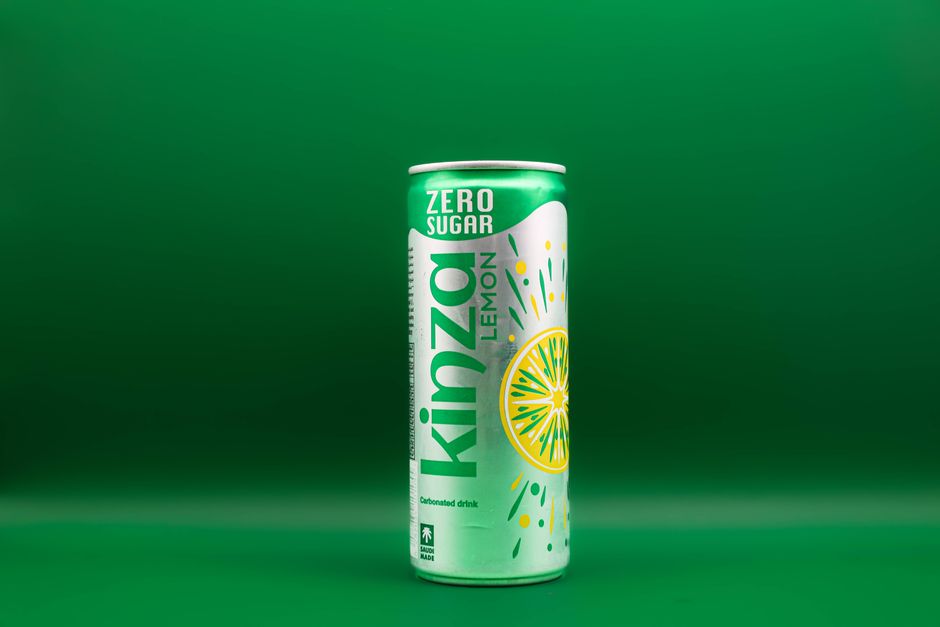
Yes, zero sugar drinks can cause diarrhea. The sugar alcohols and artificial sweeteners used in these beverages are known to pull water into the intestines and alter gut bacteria, which can lead to loose stools. While not everyone reacts this way, it is a well-documented digestive side effect of these ingredients.
Which Ingredients in Zero Sugar Drinks Cause Diarrhea?
The main culprits are sugar alcohols, also called polyols. These are carbohydrates that taste sweet but are poorly absorbed by the small intestine. When they reach the colon undigested, bacteria ferment them, producing gas and drawing water into the bowel.
Common sugar alcohols in diet drinks include sorbitol, xylitol, erythritol, and maltitol. Sorbitol and maltitol are especially known for causing digestive distress. Erythritol is generally better tolerated, but it can still cause issues in larger amounts.
Artificial sweeteners like sucralose and aspartame are less likely to cause diarrhea on their own. However, some people are sensitive to them. The reaction varies from person to person, and the amount consumed matters a great deal.
How Sugar Alcohols Pull Water Into Your Gut
Your small intestine absorbs most of what you eat and drink. Sugar alcohols are only partially absorbed. The unabsorbed portion continues into the large intestine, where it creates an osmotic effect.
Osmosis is the movement of water across a membrane. When unabsorbed sugar alcohols sit in the colon, they draw water from your body into the bowel. This extra water softens the stool. If enough water accumulates, the result is diarrhea.
This is the same mechanism behind some laxatives. Osmotic laxatives work by pulling water into the intestines to relieve constipation. Sugar alcohols do this naturally, which is why they can have an unintended laxative effect.
Why Gut Bacteria Make the Problem Worse
The colon is home to trillions of bacteria. When sugar alcohols arrive undigested, these bacteria ferment them. Fermentation produces gas, which causes bloating and cramping. It also produces short-chain fatty acids, which can further stimulate the gut.
This fermentation process is normal, but it is not always comfortable. For people with sensitive digestive systems, the combination of gas and increased water can trigger urgent bowel movements.
Some research suggests that artificial sweeteners may also alter the balance of gut bacteria over time. The long-term effects are not fully understood. Short-term digestive symptoms, however, are clearly linked to the osmotic and fermentative effects of these ingredients.





How Much Is Too Much
There is no single dose that causes diarrhea in everyone. Tolerance varies widely. Some people can drink several zero sugar beverages a day with no issues. Others develop loose stools after a single can.
Studies on sugar alcohols have shown that sorbitol can cause diarrhea at doses around 10 grams. Maltitol has caused symptoms at similar amounts. A single can of diet soda rarely contains that much, but some drinks and flavored waters contain higher levels.
Pay attention to the total intake across a day. A sugar-free drink in the morning, sugar-free gum in the afternoon, and a sugar-free dessert at night can easily add up. The cumulative amount matters more than any single product.
Check the ingredient list for anything ending in “-ol.” Sorbitol, xylitol, maltitol, erythritol, and mannitol are all sugar alcohols. If several products you consume daily contain these, your total intake may be higher than you realize.
Zero Sugar Drinks vs. Regular Soda
Regular soda contains sugar, which is absorbed efficiently in the small intestine. Most people do not get diarrhea from regular soda unless they consume very large amounts. The sugar itself is not drawing water into the colon in the same way.
Zero sugar drinks replace that sugar with sweeteners that behave differently in the digestive tract. The very thing that makes them low calorie — poor absorption — is also what causes digestive symptoms in some people.
There is a trade-off here. Sugar-free beverages avoid the calories and blood sugar spikes of regular soda. But for some people, the digestive side effects are not worth it. This is a personal decision based on how your body responds.
Who Is Most Likely to Have This Problem
People with irritable bowel syndrome (IBS) are more sensitive to sugar alcohols. Their guts react more strongly to gas, water shifts, and fermentation. If you have IBS, zero sugar drinks are a common trigger for diarrhea.
People without any diagnosed digestive condition can also react. It simply depends on your individual tolerance and the amount consumed. There is no reliable way to predict who will be affected.
If you are prone to loose stools after diet drinks, you may also react to sugar-free gum, mints, and protein bars. These products often contain the same sugar alcohols. The reaction is not specific to beverages.
What to Do If Zero Sugar Drinks Give You Diarrhea
If you suspect a zero sugar drink is causing your symptoms, stop drinking it for a few days. See if your stools return to normal. This is the simplest way to confirm the cause.
If symptoms resolve, you have your answer. You can then decide whether to avoid these drinks entirely or limit them to amounts your body tolerates. Some people find that smaller servings are fine but larger ones are not.
If diarrhea continues after you stop drinking these beverages, the cause may be something else. See a doctor. Persistent diarrhea can be a sign of an infection, food intolerance, or an underlying digestive condition like inflammatory bowel disease.
Stay hydrated if you are experiencing diarrhea. Water and oral rehydration solutions are the best choices. Diarrhea causes fluid loss, and replacing that fluid is important, especially if symptoms last more than a day.
Are Some Zero Sugar Sweeteners Worse Than Others
Sorbitol and maltitol are the most likely to cause diarrhea. They are poorly absorbed and have a strong osmotic effect. These are often used in sugar-free candies and some beverages.
Xylitol is also poorly absorbed and can cause digestive upset. It carries an additional warning: xylitol is highly toxic to dogs. Even small amounts can cause a dangerous drop in a dog’s blood sugar. Keep products containing xylitol away from pets.
Erythritol is absorbed better than other sugar alcohols. It causes fewer digestive symptoms at typical doses. However, large amounts can still cause gas, bloating, and loose stools.
Sucralose and aspartame do not generally cause diarrhea. If you react to these, it is likely a personal sensitivity rather than a universal effect. Keeping a food diary can help you identify which specific sweetener triggers your symptoms.
Can Zero Sugar Drinks Cause Diarrhea Yes Heres Why — The Bottom Line
Zero sugar drinks can absolutely cause diarrhea. The sugar alcohols they contain are poorly absorbed, pull water into the colon, and feed gut bacteria that produce gas. This combination leads to loose stools in susceptible people.
The effect is dose-dependent. Small amounts may cause no symptoms. Larger amounts, or multiple sugar-free products throughout the day, can trigger diarrhea. Your individual sensitivity plays a major role.
If you experience diarrhea after drinking zero sugar beverages, the solution is straightforward. Reduce or eliminate them and see if your symptoms improve. If they do not, consult a healthcare provider to explore other causes.
Zero sugar drinks are not harmful for everyone. Many people consume them daily without digestive issues. But if you are one of the people who reacts, the evidence clearly explains why.
Frequently Asked Questions
How long after drinking a zero sugar drink does diarrhea start?
Symptoms usually begin within a few hours after consumption. The unabsorbed sweeteners travel through the digestive tract, and the laxative effect typically develops within 2 to 4 hours.
Can diet soda cause diarrhea every day?
Yes, if you drink it daily, you may have diarrhea daily. The sugar alcohols accumulate in your system, and each drink can trigger the same response.
Is erythritol less likely to cause diarrhea than sorbitol?
Yes, erythritol is absorbed better and generally causes fewer digestive symptoms. However, large amounts can still cause gas and loose stools in sensitive people.
Does carbonation in zero sugar drinks make diarrhea worse?
Carbonation can increase gas and bloating, which may worsen discomfort. The diarrhea itself is primarily caused by the sweeteners, not the bubbles.
