
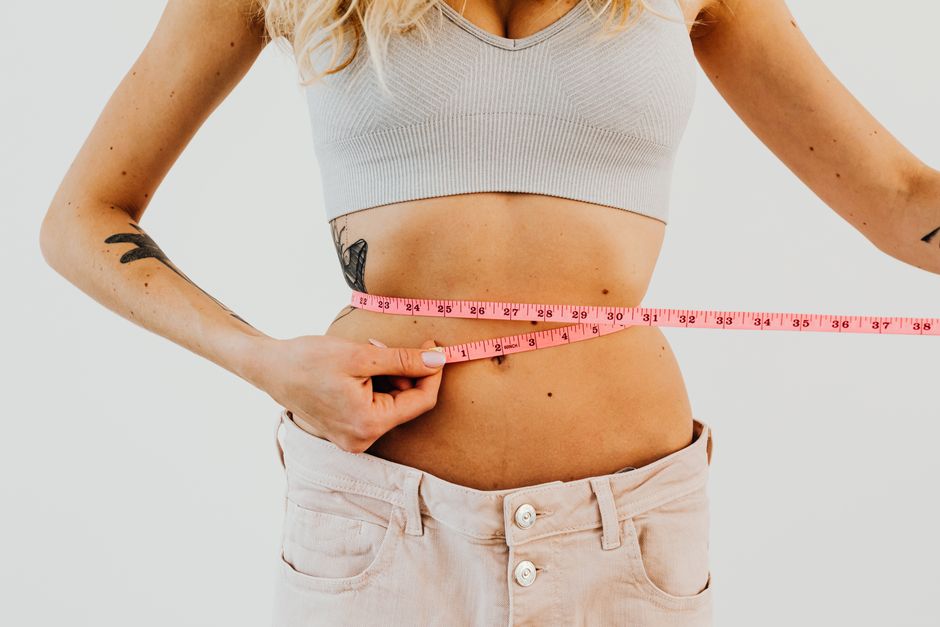
Yes, your period can affect weight loss, but usually not in the way most people think. The hormonal shifts across your cycle can change water retention, appetite, cravings, and energy levels, which can slow or mask fat loss for part of the month. That does not mean your body stops burning fat during your period. It means the number on the scale can move for reasons that have nothing to do with fat.
Does Your Period Affect Weight Loss Directly?
Your period itself does not stop fat loss. What changes is the environment around it.
Across the menstrual cycle, levels of estrogen and progesterone rise and fall in a predictable pattern. These hormones influence fluid balance, appetite, and how your body uses energy. In the days before bleeding starts, many people retain water. The scale can jump by a few pounds even when nothing about their diet or activity has changed.
That weight is water, not fat. It typically drops within a few days after bleeding begins. If you only weigh yourself once a month, or during the same week each cycle, you may be comparing your heaviest days to your lightest ones without realizing it.
Fat loss depends on a sustained calorie deficit. Your menstrual cycle does not cancel that. It can, however, make the deficit harder to maintain for a stretch of days each month, and it can hide real progress on the scale.
Why Do You Weigh More Before Your Period?
Water retention is the main reason. In the week before menstruation, falling progesterone and shifting estrogen levels can cause the body to hold extra sodium and fluid. This is sometimes called cyclical weight gain, and it is normal.
The amount varies from person to person. Some people notice a pound or two. Others notice more. It usually resolves on its own within a few days of the period starting.
Several things drive this shift:
- Hormonal changes that affect how the kidneys handle sodium and water
- Increased appetite and cravings, which can raise calorie intake
- Bloating and slower digestion, which can make the abdomen feel fuller
- Changes in glycogen storage, which pulls water into muscle tissue
None of these reflect fat gain. They reflect fluid and digestion. Knowing this matters, because a discouraging number on the scale can push people to abandon a plan that was actually working.
Does Your Appetite Really Change During Your Cycle?
Yes. Appetite often rises in the days before bleeding starts. This is one of the better-documented cycle-related changes.
Research on the menstrual cycle has found that many people eat more, and crave more carbohydrate-rich and sweet foods, during the luteal phase — the roughly two weeks between ovulation and the start of the next period. Some studies suggest resting energy expenditure may rise slightly during this phase as well, though the size of that change is small and varies between people.
The practical effect is simple. If you eat more than usual for several days, you may erase part of your weekly calorie deficit. That can slow fat loss even when water weight is not the issue.
This is not a willpower failure. It is a predictable hormonal pattern. Planning for it — rather than being surprised by it — tends to work better than fighting it.





How to Track Progress Without the Cycle Getting in the Way
If you want an honest picture of fat loss, stop relying on a single weigh-in. The scale is one data point, and during your cycle it is a noisy one.
A few approaches tend to give a clearer signal:
- Weigh yourself at the same time of day, under similar conditions, several times a week
- Look at the trend across a full month, not a single week
- Track waist or hip measurements, which are less affected by daily fluid shifts
- Note which cycle phase you are in when you record your weight
- Use progress photos taken at the same phase each month
Comparing the same phase of two different cycles is more useful than comparing your pre-period weight to your post-period weight. That comparison is not measuring fat. It is measuring fluid.
Here is a detail many people miss: because water retention follows a predictable hormonal rhythm, it can look like a pattern of “losing” and “gaining” the same few pounds every month. That pattern is often just the cycle repeating, not a real change in body fat.
Should You Change Your Diet or Workouts During Your Period?
There is no single correct approach. The evidence on cycle-synced training and cycle-synced eating is limited, and much of what circulates online is not supported by strong trials.
What is well established: your body needs a consistent calorie deficit to lose fat, and regular physical activity supports that. How you arrange those things across the month is largely a matter of what you can stick with.
Some people find that eating a bit more protein and fiber in the days before their period helps with appetite. Some find that lighter activity feels better when energy is low. Others notice no meaningful difference. None of these is a rule.
If you do adjust, keep the overall pattern intact. A few harder days do not undo a month of consistent effort. A few days of feeling out of control with food can, if they become the norm.
If your cycle-related symptoms are severe — heavy bleeding, pain that disrupts daily life, or mood changes that feel unmanageable — that is a reason to talk with a clinician. Those symptoms can have causes that go beyond normal cycle variation, and they are worth evaluating rather than pushing through.
What Actually Drives Fat Loss
Fat loss comes down to a sustained calorie deficit over time. Your menstrual cycle can influence how that deficit feels and how it shows up on the scale, but it does not change the underlying math.
Water weight, appetite swings, and energy changes are real. They can slow the visible progress of a plan that is working. They rarely stop fat loss on their own.
The most useful mindset is patience with the process and skepticism about any single number. A monthly trend tells you far more than a daily reading. If the trend over several weeks is moving in the right direction, the cycle is doing what it does — and your plan is still working.
Frequently Asked Questions
Can you lose weight during your period?
Yes. Fat loss depends on a calorie deficit, and your period does not prevent that. Water weight often drops in the first few days of bleeding, which can make the scale move down even faster.
Why do I gain weight before my period?
Water retention from shifting estrogen and progesterone is the main cause. Increased appetite and cravings in the days before bleeding can also raise calorie intake, which may add to the effect.
How much weight can you gain before your period?
It varies widely. Many people notice a pound or two of water weight, while others notice more. This fluid usually resolves within a few days after the period starts.
Should I stop dieting during my period?
No clinical guidelines recommend stopping a calorie deficit during your period. You may need to adjust how you eat or train based on energy and appetite, but the overall plan can stay the same.
