
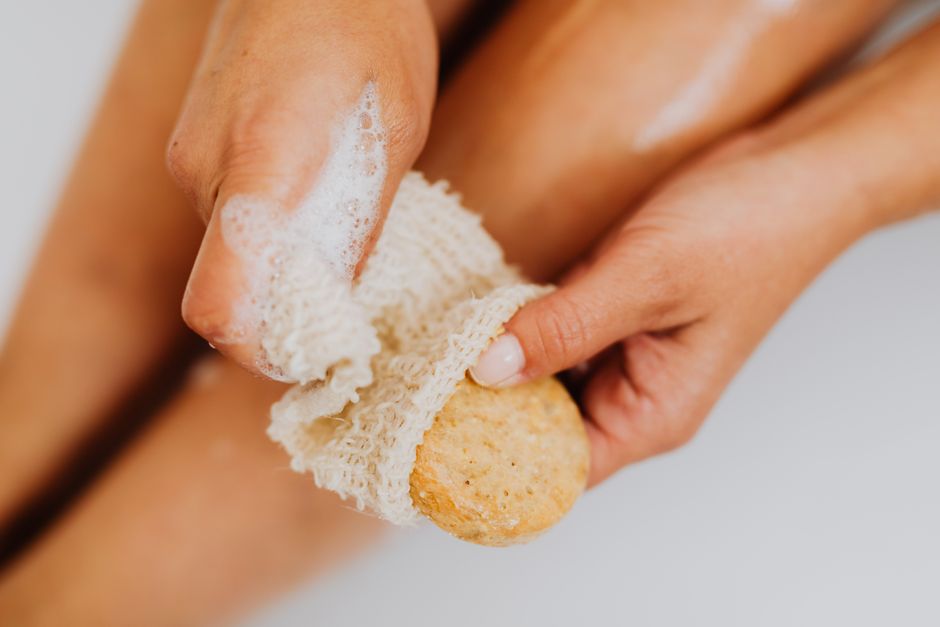
Yes, you can wash your body with hand soap. It cleans skin the same way body wash does, and for most people it causes no harm. The bigger question is whether it is the best choice for your skin day after day, and that answer depends on your skin type and the soap you pick.
Hand soap and body wash are not the same product. They are formulated for different jobs, and that difference matters more than most people realize.
Can You Wash Your Body With Hand Soap?
Yes. Hand soap will remove dirt, sweat, and oil from your skin. That is what soap does. The surfactants in it lift grime and oil so water can rinse them away, and this works on your arms and legs just as well as it works on your hands.
The catch is what else hand soap does. Many hand soaps are made to strip oil aggressively. That makes sense for hands, which touch everything and get washed many times a day. Your body skin is thinner in places, and it does not need the same level of degreasing.
Used once in a while, like when you forget your body wash in the shower, hand soap is fine. Used every day on your whole body, some formulas can leave skin dry, tight, or itchy. That is not a safety problem. It is a comfort and skin-barrier problem.
The type of hand soap matters a lot here. A mild liquid hand soap is a very different product from a heavy-duty antibacterial or gritty workshop soap.
What Is the Difference Between Hand Soap and Body Wash?
Both are cleansers built on the same basic chemistry. The difference is in the extras and in how harsh the cleansing agents are.
Body wash is usually formulated with milder surfactants and more moisturizing ingredients. Glycerin, oils, and skin-conditioning agents are common. The goal is to clean without stripping the skin barrier.
Hand soap often uses stronger surfactants because hands are exposed to more grease and germs. It may also contain higher levels of fragrance or antibacterial agents. Those ingredients are not dangerous, but they can irritate skin that is already dry or sensitive.
Here is a simple comparison:
- Cleansing strength: Hand soap is often stronger; body wash is milder.
- Moisturizers: Body wash usually contains more; hand soap often contains few or none.
- Fragrance and additives: Hand soap tends to have more; body wash varies.
- pH: Both are usually formulated to be skin-friendly, but specific products vary.
- Cost per use: Hand soap is often cheaper, though this depends on the product.
One thing worth knowing: the word “soap” on a label is often used loosely. Many products sold as soap are actually synthetic detergents, also called syndets. True soap is made from fats and lye. Both clean skin. Detergent-based products tend to be less alkaline and often gentler on skin.
Does Hand Soap Dry Out Your Skin?
It can, especially with frequent use. Dryness happens when a cleanser strips away too much of the skin’s natural oils and disrupts the outer layer of skin.
That outer layer, called the stratum corneum, is your skin barrier. It holds in water and keeps irritants out. When it is damaged by harsh cleansing, skin loses moisture faster. It can feel tight, look flaky, and itch.
Whether hand soap dries you out depends on several things:
- How strong the soap is
- How often you use it
- How hot the water is
- Your natural skin type
- The climate and humidity where you live
People with oily skin may notice little difference. People with dry or sensitive skin, or those with conditions like eczema, are more likely to react. For them, a harsh hand soap used daily can make existing dryness worse.
Hot water makes this worse. It strips oils faster than warm water. If you are going to use hand soap on your body, warm water and a short rinse help.





Is Hand Soap Bad for Sensitive Skin or Eczema?
For sensitive skin, the answer leans toward caution. Hand soap is more likely to contain fragrances, strong surfactants, and antibacterial ingredients that can trigger irritation.
Eczema is a condition where the skin barrier is already weakened. Anything that further strips the barrier can cause a flare. Research on skin cleansing consistently shows that harsh cleansers worsen barrier damage, while mild, low-pH cleansers cause less disruption.
If you have eczema or very sensitive skin, a purpose-made body wash or a fragrance-free cleanser is usually the safer choice. Some clinicians recommend products labeled for sensitive skin, though individual reactions still vary.
This is not about hand soap being toxic. It is about matching the product to the skin. A cleanser designed for delicate skin is simply a better fit for delicate skin.
Can You Use Hand Soap on Your Face?
You can, but it is a poor idea for most people. Facial skin is thinner and more reactive than body skin.
Hand soap tends to be too stripping for the face. It can leave skin dry, tight, and more prone to irritation. Over time, harsh cleansing can disrupt the facial skin barrier and may worsen oiliness as skin tries to compensate.
Facial cleansers are formulated to be gentler and often have a pH closer to skin’s natural range. If you have no other option, a mild, fragrance-free hand soap used once is unlikely to cause lasting harm. Doing it daily is where problems tend to build.
One clarification worth making: the idea that you must use a different cleanser for every body part is mostly marketing. The real principle is simpler. Match the cleanser’s strength to how delicate the skin is. Face and body can sometimes share a mild cleanser. Hands, which get dirtier, often need more.
Does Hand Soap Kill Bacteria on Your Body?
Regular hand soap does not kill most bacteria. It removes them. The surfactants lift germs off the skin so water can rinse them away.
Antibacterial hand soaps contain added agents meant to kill or inhibit bacteria. For everyday body washing, these are not necessary for most people. Washing with plain soap and water removes germs effectively.
There is a broader point here. Your skin hosts a large community of bacteria, fungi, and other microbes, often called the skin microbiome. Most of these are harmless or helpful. Washing does not sterilize skin, and it is not supposed to. Overusing harsh antibacterial products can disrupt this balance, though the full health effects of that disruption are still being studied.
For normal body cleaning, you do not need an antibacterial product. Plain soap and water do the job.
When Should You Not Use Hand Soap on Your Body?
There are a few situations where hand soap is the wrong choice:
- If you have eczema, psoriasis, or another skin condition that flares with harsh cleansers
- If your skin is already dry, cracked, or irritated
- If the soap contains ingredients you know you react to
- If it is a strong workshop or degreasing soap meant for heavy grime
In these cases, a mild, fragrance-free body wash or cleanser is a better fit. If you have a skin condition and are unsure what to use, a dermatologist can help you choose.
For everyone else, using hand soap on your body now and then is not something to worry about. The main downside is dryness, and that is manageable.
What Should You Look For in a Body Cleanser?
If you want a cleanser that is gentle on skin, a few label details help.
- Fragrance-free: “Unscented” and “fragrance-free” are not the same. Fragrance-free means no added fragrance.
- Mild surfactants: Ingredients like glycerin and mild cleansing agents signal a gentler formula.
- Moisturizing ingredients: Glycerin, ceramides, and oils help support the skin barrier.
- Low pH: Products closer to skin’s natural pH tend to be less irritating.
You do not need an expensive product. Many drugstore body washes are formulated well. The key is matching the cleanser to your skin, not to the price tag.
For most people, the routine that works is simple. Use a mild cleanser, keep showers warm rather than hot, and moisturize after. That does more for skin than any single product choice.
Frequently Asked Questions
Can you wash your body with hand soap every day?
You can, but daily use may dry out your skin, especially if the soap is strong or fragranced. A mild body wash is usually a better fit for everyday use.
Is hand soap bad for your skin?
Hand soap is not harmful for most people when used occasionally. It can strip natural oils and irritate dry or sensitive skin with frequent use.
Can hand soap cause a rash?
Yes, harsh or fragranced hand soap can irritate skin and cause a rash in some people. If a rash appears, stop using the product and see a doctor if it does not clear up.
Is body wash better than hand soap?
Body wash is generally gentler and contains more moisturizing ingredients, which makes it a better choice for daily body cleaning. Hand soap works in a pinch but is not designed for full-body use.
