
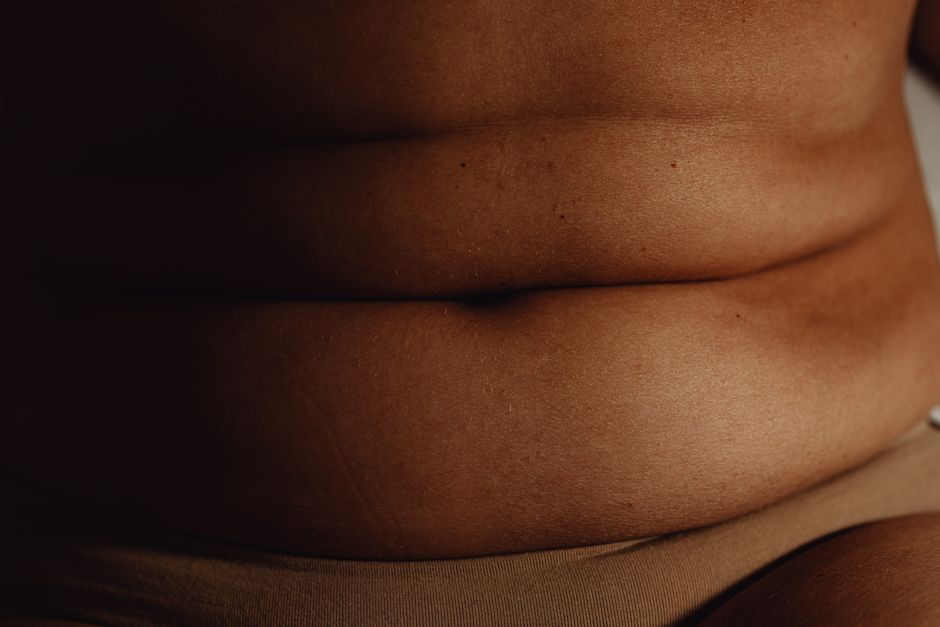
The biggest organ in the human body is the skin. It covers your entire body and acts as the first line of defense against the outside world. In an average adult, the skin weighs about 8 to 20 pounds and covers roughly 22 square feet, making it the largest organ by both weight and surface area.
What Is The Biggest Organ Of The Human Body?
The skin is the largest organ of the human body. It is the only organ you can see from the outside, and it is also one of the most complex. The skin is not just a simple covering. It is a living, working system that protects your muscles, bones, ligaments, and internal organs.
The skin makes up about 15 percent of your total body weight. It is constantly shedding old cells and growing new ones. In fact, you shed millions of skin cells every day. The skin also helps regulate your body temperature, stores water and fat, and produces vitamin D when exposed to sunlight.
How Does the Skin Compare to Other Large Organs?
People often guess the liver or the brain is the largest organ. Those are large organs, but they do not come close to the skin in size. The liver is the largest internal organ, weighing about 3 pounds in an adult. The brain weighs about the same. The skin outweighs both by a significant margin.
Here is a quick comparison of the largest organs by weight:
- Skin: 8 to 20 pounds
- Liver: About 3 pounds
- Brain: About 3 pounds
- Lungs: About 2.5 pounds each
- Heart: About 0.7 pounds
The skin also has the largest surface area. If you flattened it out, it would cover about 22 square feet. That is roughly the size of a standard twin mattress. No other organ comes close to that surface area.
What Are the Three Layers of Skin?
The skin has three main layers. Each layer has a specific job, and they all work together to keep you healthy.
The epidermis is the top layer you can see and touch. It is thin and acts as a waterproof barrier. The epidermis constantly produces new skin cells at its base and pushes older cells toward the surface. Those older cells eventually die and flake off. This process takes about 28 to 30 days from start to finish.
The dermis is the middle layer and the thickest of the three. It contains blood vessels, hair follicles, nerve endings, and sweat glands. The dermis is also where collagen and elastin live. These proteins give your skin strength and flexibility. When you get a cut, the dermis is the layer that produces scar tissue to close the wound.
The hypodermis is the deepest layer. It is made mostly of fat and connective tissue. This layer insulates your body, stores energy, and cushions your internal organs. The hypodermis also attaches the skin to the muscles and bones underneath it.





What Does the Skin Actually Do?
The skin is a multitasking organ. Its primary job is protection, but it does far more than block germs.
The skin is your immune system’s first barrier. It physically blocks bacteria, viruses, and other pathogens from entering your body. It also produces antimicrobial proteins that kill harmful microbes on contact. This is why broken skin increases your risk of infection — the barrier is compromised.
The skin regulates body temperature through sweating and blood flow. When you are hot, blood vessels in the skin widen to release heat, and sweat glands produce moisture that cools you as it evaporates. When you are cold, those blood vessels narrow to keep heat inside your core.
The skin is also a sensory organ. It is packed with nerve endings that detect touch, pressure, pain, and temperature. These signals travel to your brain and help you react to your environment. Without skin sensation, you would not feel a hot stove or a sharp object until the damage was already done.
Finally, the skin synthesizes vitamin D. When ultraviolet B rays from sunlight hit the skin, a chemical reaction produces vitamin D. This vitamin is essential for calcium absorption and bone health. However, the amount of sun exposure needed varies widely by skin tone, latitude, and season. The evidence does not support prolonged sunbathing as a health practice due to skin cancer risk.
Why Is Skin Health Often Misunderstood?
Skin care is a massive industry, and much of the marketing around it is not supported by strong evidence. Many products claim to “detoxify” the skin or “boost collagen” in ways that have not been proven in clinical trials.
The skin does not need detoxification. Your liver and kidneys handle that job. Sweat is mostly water and electrolytes, not toxins. No study has confirmed that any topical product can remove toxins from the body through the skin.
Collagen creams are another area where marketing outpaces evidence. Collagen molecules are too large to penetrate the epidermis when applied topically. Some research suggests that oral collagen supplements may improve skin elasticity, but the evidence is mixed and the effect sizes are modest. If a product promises dramatic results, treat that claim with skepticism.
What is well established is that the skin ages with sun exposure. Ultraviolet damage breaks down collagen and elastin over time, leading to wrinkles and sagging. Daily sunscreen use is one of the few skin care practices with strong evidence behind it. The American Academy of Dermatology recommends a broad-spectrum sunscreen with an SPF of 30 or higher for anyone spending time outdoors.
What Are the Most Common Skin Conditions?
Skin conditions are among the most common reasons people visit a doctor. Some are minor and temporary. Others are chronic and require ongoing management.
Acne affects nearly everyone at some point in life. It happens when hair follicles become clogged with oil and dead skin cells. Acne is most common in teenagers but can persist into adulthood. Treatment ranges from over-the-counter benzoyl peroxide to prescription medications for severe cases.
Eczema is a chronic condition that causes dry, itchy, inflamed skin. It often appears in childhood and can flare up in response to irritants, stress, or weather changes. There is no cure, but moisturizers and topical steroids help manage symptoms.
Psoriasis is an autoimmune condition that speeds up the skin cell life cycle. Cells build up rapidly on the surface, forming thick, scaly patches. It is not contagious. Treatment includes topical treatments, light therapy, and systemic medications for moderate to severe cases.
Skin cancer is the most serious skin condition. Basal cell carcinoma and squamous cell carcinoma are the most common types and are highly treatable when caught early. Melanoma is less common but more dangerous because it can spread to other organs. Regular skin checks and prompt evaluation of new or changing moles are important for early detection.
How Can You Keep Your Skin Healthy?
Basic skin health comes down to a few well-established habits. You do not need expensive products or complicated routines.
Protect it from the sun. This is the single most important thing you can do for your skin. Use sunscreen, wear protective clothing, and seek shade during peak sun hours. Sun damage is cumulative and irreversible.
Moisturize regularly. Moisturizers trap water in the skin and strengthen the barrier. They are especially helpful in dry climates or during winter months. Look for products with ceramides or hyaluronic acid, which have supporting evidence for improving skin hydration.
Stay hydrated. Severe dehydration affects skin elasticity, but the evidence that drinking extra water improves skin appearance in well-hydrated people is limited. Drink when you are thirsty and do not expect water to replace sunscreen.
Do not smoke. Smoking damages collagen and elastin, accelerating skin aging. It also narrows blood vessels in the skin, reducing oxygen and nutrient flow. The effects are visible and well documented.
Clean gently. Harsh soaps strip the skin of natural oils and can worsen conditions like eczema. Use mild cleansers and avoid scrubbing aggressively.
Frequently Asked Questions
Is the skin considered an organ?
Yes, the skin is the largest organ of the human body. An organ is a group of tissues that work together to perform a specific function, and the skin clearly meets that definition.
What is the largest internal organ?
The liver is the largest internal organ, weighing about 3 pounds in an adult. The skin is larger, but it is external.
How much skin does the average adult have?
The average adult has about 22 square feet of skin weighing between 8 and 20 pounds. The exact amount depends on body size and weight.
What is the fastest growing organ in the human body?
The skin is one of the fastest growing organs because it constantly regenerates. The epidermis replaces itself roughly every 28 to 30 days.
