
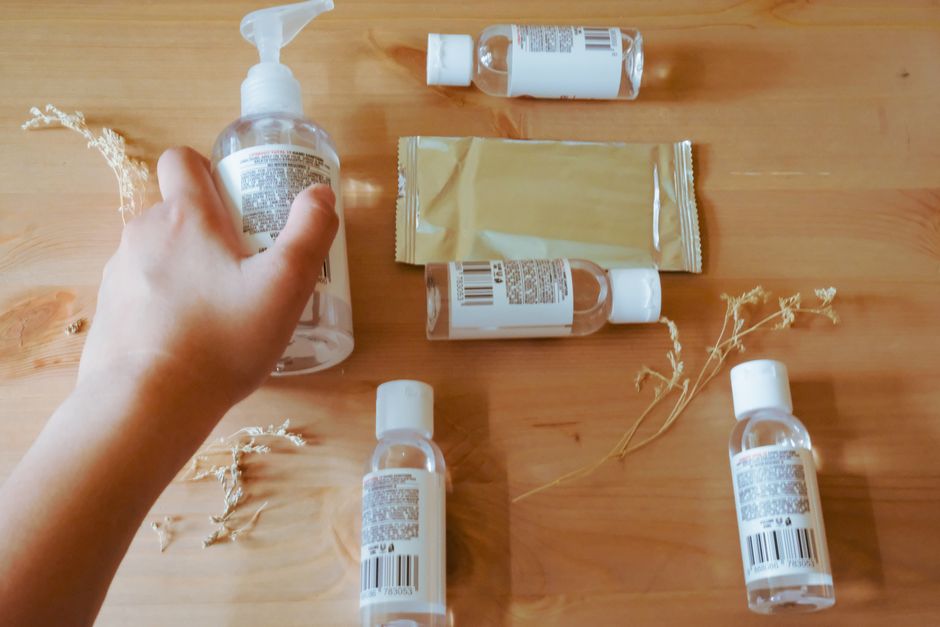
Isopropyl alcohol, often called rubbing alcohol, is a common household staple. You likely have a bottle in your medicine cabinet right now. The short answer is yes, you can use isopropyl alcohol to clean many things, but it is not a universal cleaner. It works well on some surfaces and can damage others. It also has important safety limits you need to know before you start wiping things down.
What Isopropyl Alcohol Actually Does
Isopropyl alcohol is a solvent. That means it dissolves many types of dirt, grease, and oils that plain water cannot touch. It also evaporates quickly, which makes it useful for cleaning electronics and other items that should not stay wet.
The main reason people use it for cleaning is its ability to kill germs. At the right concentration, it disrupts the cell membranes of bacteria and viruses. This is why it is a standard ingredient in many disinfecting wipes and hand sanitizers.
There is a common misconception that higher percentages are always better. That is not true. Most rubbing alcohol sold in stores is either 70% or 91% isopropyl alcohol mixed with water. The 70% version is generally better for disinfecting because the water helps the alcohol penetrate bacterial cell walls more slowly, giving it more time to destroy the organism. The higher concentration evaporates too fast to be as effective.
Can You Use Isopropyl Alcohol To Clean Your Home Surfaces?
Yes, isopropyl alcohol is effective on many hard, non-porous surfaces. This includes glass, stainless steel, ceramic tile, and sealed countertops like granite or quartz. It cuts through fingerprints, sticky residue, and light grime. It also evaporates without leaving streaks, which makes it popular for cleaning mirrors and glass tabletops.
You should not use it on unsealed wood. Alcohol can strip the finish and dry out the wood, leaving a dull or discolored patch. It can also damage some plastics. If you are unsure whether a plastic item is safe, test a small hidden area first. Many plastics will discolor, warp, or become brittle after repeated exposure to alcohol.
Never use isopropyl alcohol on painted surfaces. It can dissolve many types of paint, including latex and some automotive finishes. This is why you should keep it away from walls and painted furniture.
Cleaning Electronics With Isopropyl Alcohol
Isopropyl alcohol is one of the safest options for cleaning electronics. Because it evaporates quickly, it is less likely to seep into components and cause damage than water-based cleaners. This makes it useful for cleaning keyboards, phone screens, and the exterior of laptops.
There are two important rules. First, always unplug the device and remove the battery if possible before cleaning. Second, apply the alcohol to a microfiber cloth, never directly to the device. Spraying liquid directly onto electronics can push moisture into ports, buttons, or speakers.
For screens, be careful. Modern smartphones and tablets have oleophobic coatings that repel oil. Some research and many manufacturer guidelines suggest that alcohol-based cleaners can degrade this coating over time with repeated use. Occasional cleaning is generally fine, but daily wiping with alcohol may shorten the life of that coating. When in doubt, use a dry microfiber cloth or a cleaner specifically designed for screens.


What Concentration Should You Use?
The concentration matters depending on your task. For disinfecting, 70% isopropyl alcohol is the standard choice. It kills most bacteria and viruses on surfaces when left to sit for at least 30 seconds to a minute.
For dissolving sticky residue like adhesive from labels, 91% or 99% works faster because it evaporates quickly and leaves less moisture behind. The trade-off is that it is less effective as a disinfectant.
For cleaning electronics, higher concentrations like 91% are often preferred because they dry fastest. Just remember the fast evaporation means you need to work quickly if you are trying to break down a stubborn stain.
Safety Rules You Cannot Skip
Isopropyl alcohol is flammable. Do not use it near open flames, pilot lights, or anything that sparks. This includes gas stoves, candles, and even some space heaters.
It also produces fumes. Use it in a well-ventilated area. If you are cleaning a large surface or using a lot of it, open a window. Breathing in concentrated fumes can cause headaches, dizziness, or nausea.
Do not mix isopropyl alcohol with bleach or other household cleaners. Mixing it with bleach can create chloroform and other toxic compounds. This is a serious safety hazard. Use one cleaner at a time.
Keep it away from children and pets. Ingesting even a small amount of isopropyl alcohol is dangerous. It is not the same as ethanol, the alcohol in beverages, and the body cannot process it safely.
What Isopropyl Alcohol Cannot Clean
Isopropyl alcohol is not a degreaser for heavy kitchen grease. It will dissolve some oils, but it struggles with baked-on cooking grease. A dedicated kitchen degreaser or a hot soapy water soak will work better.
It is not a good choice for porous surfaces like unsealed stone, raw wood, or fabrics. On these materials, it can push dirt deeper in or cause discoloration. For upholstery and carpets, use a cleaner designed for fabrics.
It does not clean dirt and grime on its own. If a surface is visibly dirty, wipe it with soap and water first. The alcohol works best on surfaces that are already physically clean but need disinfection or a final streak-free wipe.
How To Use It Correctly
Apply isopropyl alcohol to a clean cloth, not directly onto the surface. A microfiber cloth is ideal because it traps dirt and leaves fewer fibers behind. Paper towels work but can leave lint on some surfaces.
Wipe the surface evenly. For disinfecting, the surface needs to stay visibly wet for about 30 seconds. Do not wipe it dry immediately. Let it air dry to give the alcohol time to work.
For sticky residue, apply the alcohol to the cloth and press it against the residue for a few seconds. This softens the adhesive so it can be wiped away without scratching the surface underneath.
Isopropyl Alcohol vs. Other Cleaners
Isopropyl alcohol is not a replacement for soap and water. Soap physically lifts dirt and grease off surfaces, while alcohol dissolves them chemically. For most household cleaning, soap and water is the better first step.
It is also not a replacement for bleach. Bleach is a stronger disinfectant and works on a wider range of pathogens. However, bleach is corrosive and can damage surfaces that alcohol handles safely. They serve different purposes.
For everyday disinfection of high-touch surfaces like doorknobs, light switches, and phone screens, isopropyl alcohol is a solid choice. For bathroom grout, raw wood, or heavily soiled areas, choose a different product.
Frequently Asked Questions
Is 70% or 91% isopropyl alcohol better for cleaning?
70% is better for disinfecting because the water content slows evaporation and improves germ-killing power. 91% is better for quickly dissolving sticky residue or cleaning electronics because it dries faster.
Can I use isopropyl alcohol on my phone screen?
Yes, but sparingly. Frequent use can degrade the protective coating on modern screens over time. Use a small amount on a microfiber cloth and avoid getting moisture in the ports.
Is it safe to mix isopropyl alcohol with vinegar?
No. Mixing them can create irritant fumes and is not more effective than using them separately. Never mix isopropyl alcohol with bleach, as this can create toxic gases.
Does isopropyl alcohol damage wood?
Yes, it can strip finishes and dry out unsealed wood. Use it only on sealed wood surfaces in small amounts, and avoid it entirely on antique or unfinished furniture.
