
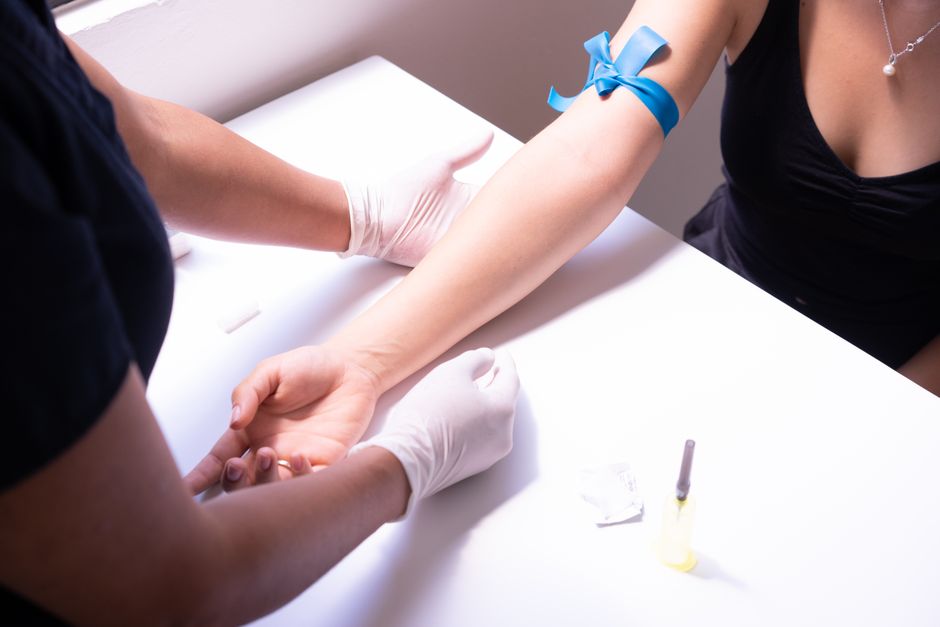
There is no blood test, swab, or scan that can tell you whether you have tetanus. Doctors diagnose it by recognizing a specific pattern of symptoms in someone who was never fully vaccinated or whose immunity has faded. That single fact shapes everything about how tetanus is caught, treated, and prevented — and it is why vaccination, not testing, is the real defense.
Can You Test For Tetanus Diagnosis And Prevention?
You cannot test for tetanus directly. No lab result confirms the disease. Diagnosis is clinical, meaning a doctor identifies it from the symptoms and the person’s vaccination history.
This surprises people. Most infections we worry about have a test — a throat swab, a blood culture, an antibody panel. Tetanus is different because the bacteria that cause it usually stay in a wound and never spread through the bloodstream. They release a toxin that travels along nerves, and the harm comes from the toxin, not from a widespread infection the body can sample and measure.
That is the core reason testing does not work. The bacteria are often undetectable at the site by the time symptoms appear, and the toxin acts in the nervous system in a way that blood tests cannot capture.
Why Is There No Lab Test For Tetanus?
The bacterium behind tetanus is called Clostridium tetani. It lives in soil, dust, and manure as dormant spores. When spores get into a wound, especially a deep or dirty one, they can germinate and produce a toxin called tetanospasmin.
That toxin is one of the most potent nerve poisons known. It travels up nerve fibers and blocks signals that normally tell muscles to relax. The result is the sustained, uncontrollable muscle tightening that defines the disease.
Two features make lab testing impractical:
- The bacteria often stay confined to the wound and are not present in blood or spinal fluid in a way a routine test could detect.
- By the time symptoms appear, the toxin is already bound to nerve tissue. There is no reliable blood marker that reflects its activity.
Doctors sometimes order tests, but not to confirm tetanus. They test to rule out other conditions that look similar, or to check for complications. The diagnosis itself rests on the clinical picture.
How Do Doctors Actually Diagnose Tetanus?
Diagnosis depends on symptoms and history. There is no single finding that proves it, so doctors assemble the picture from several clues.
The classic sign is trismus — tightness of the jaw muscles, sometimes called lockjaw. It often appears first. From there, muscle stiffness can spread to the neck, back, abdomen, and limbs. Spasms can be triggered by noise, light, or touch.
A doctor weighs three things together:
- Symptoms consistent with tetanus, especially jaw stiffness and muscle spasms
- A wound that could have introduced spores, though in some cases no wound is ever found
- An incomplete or uncertain vaccination history
The vaccination history matters a lot. Someone who has completed a full tetanus vaccination series and kept up with boosters is very unlikely to develop tetanus, even after a dirty wound. When that protection is absent or unknown, the suspicion rises.
Because tetanus is rare in countries with widespread vaccination, many doctors have never seen a case. That is one more reason a clear history and symptom pattern carry so much weight.




What Symptoms Point To Tetanus?
Symptoms usually begin days to weeks after a wound, and the timing varies. In general, the faster symptoms appear after an injury, the more severe the illness tends to be.
Early signs often include:
- Jaw stiffness or difficulty opening the mouth
- Stiff neck and shoulders
- Trouble swallowing
- Muscle restlessness or tightness near the wound
As the disease progresses, more serious signs can develop:
- Painful, powerful muscle spasms, sometimes strong enough to cause fractures
- A rigid abdomen
- Arching of the back
- Spasms of the vocal cords or breathing muscles, which can be life-threatening
The person usually stays awake and aware throughout. Tetanus does not typically cause loss of consciousness, which distinguishes it from some other conditions that cause muscle rigidity.
Which Conditions Can Be Mistaken For Tetanus?
Several conditions can produce muscle stiffness or spasms, and part of the diagnostic work is telling them apart. This is where testing does play a role — to exclude other causes, not to confirm tetanus.
Conditions that can resemble tetanus include:
- Meningitis — infection of the membranes around the brain, which can cause neck stiffness
- Strychnine poisoning — a toxin that causes spasms very similar to tetanus
- Drug reactions — some medications can trigger muscle rigidity
- Dental problems — a jaw infection or abscess can cause difficulty opening the mouth
- Other neurological conditions — including certain movement disorders
Because these can overlap with tetanus, doctors may order blood tests, imaging, or a spinal tap to rule them out. The goal is to be sure they are not missing something else — or missing tetanus by assuming it is something else.
How Is Tetanus Treated Once Diagnosed?
Tetanus is a medical emergency. Treatment happens in a hospital, often in an intensive care unit, because the breathing muscles can be affected.
Care focuses on several fronts at once:
- Neutralizing the toxin — a medication called tetanus immune globulin can bind toxin that has not yet reached nerve tissue. It cannot undo damage already done.
- Wound care — cleaning and removing dead tissue to stop further toxin production.
- Controlling spasms — medications to relax muscles and reduce spasm severity.
- Supporting breathing — mechanical ventilation if the breathing muscles are involved.
- Managing complications — monitoring for issues like fractures, blood clots, or infection.
Recovery is slow and can take weeks to months. Even after recovery, surviving tetanus does not make a person immune. Anyone who has had it still needs vaccination, because the amount of toxin produced during illness is too small to build lasting protection.
That last point is genuinely important and often misunderstood. Natural infection with tetanus does not confer immunity the way many other infections do.
How Is Tetanus Prevented?
Prevention is where the real power lies, and it is highly effective. Vaccination is the single most important step.
In the United States, the standard schedule uses a combination vaccine that protects against tetanus, diphtheria, and pertussis. Children receive it as part of routine childhood immunization. A booster is recommended roughly every 10 years for adults to maintain protection.
Beyond vaccination, wound care matters:
- Clean wounds promptly with soap and water
- Remove dirt or debris from the wound
- See a doctor for deep, dirty, or puncture wounds
- Ask about a booster if your vaccination status is uncertain or more than 10 years have passed
For wounds that are deep or contaminated, a doctor may recommend a tetanus booster or, in some cases, immune globulin, depending on vaccination history. This is a decision a clinician makes based on the wound and the person’s records.
If you are unsure whether your tetanus vaccination is current, that is worth a conversation with a doctor. There is no test that tells you whether your protection has faded, so records and boosters are the practical tools.
Why Testing Cannot Replace Vaccination
People sometimes hope a test could settle the question of whether they are protected or infected. For tetanus, that hope does not match reality.
There is no test to confirm infection, and there is no widely used test to measure whether your immunity is still strong enough. Protection is tracked through vaccination records and timing, not lab results.
This is why public health guidance leans so heavily on routine vaccination. When a disease cannot be easily tested for and is dangerous once it appears, prevention carries almost all the weight. Tetanus is a clear example.
Frequently Asked Questions
Can a blood test detect tetanus?
No. There is no blood test that confirms tetanus, because the bacteria usually stay in the wound and the toxin acts on nerves in ways blood tests cannot measure. Diagnosis is made from symptoms and vaccination history.
How do doctors know if you have tetanus?
They diagnose it by recognizing symptoms like jaw stiffness and muscle spasms, combined with a wound and an incomplete vaccination history. Lab tests are used mainly to rule out other conditions.
Can you get tetanus if you were vaccinated?
It is very unlikely if you completed the full vaccination series and kept up with boosters. Protection can fade over time, which is why a booster is recommended about every 10 years.
Does surviving tetanus make you immune?
No. Natural infection does not provide lasting immunity, so anyone who has had tetanus still needs to be vaccinated afterward.
