
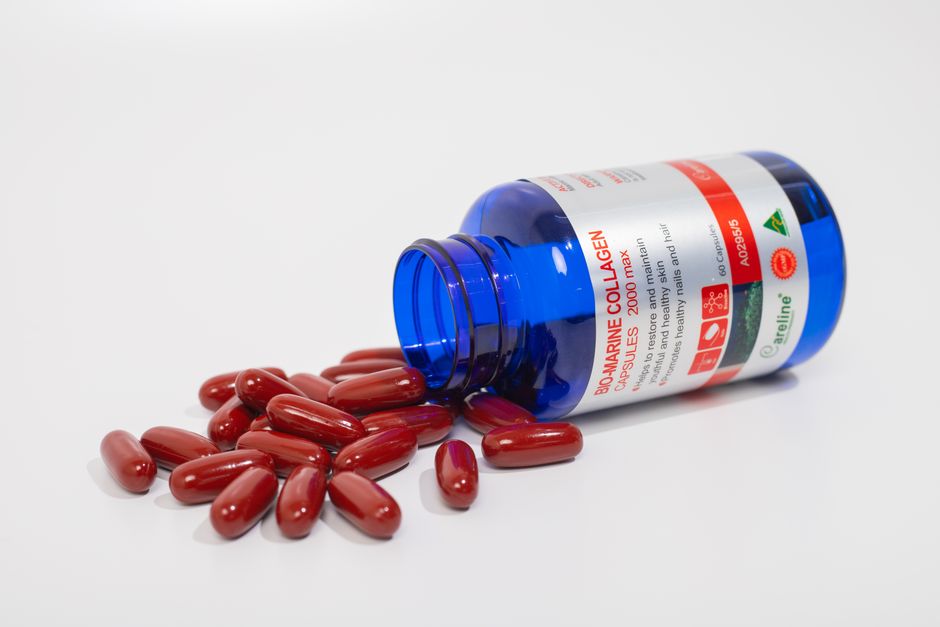
Collagen supplements are popular for skin, joints, and hair. But if you take a blood thinner, you need to ask a different question first: is it safe to combine them? The short answer is that it depends on the type of collagen product, the specific blood thinner, and your individual health history. You should never start a collagen supplement while taking a blood thinner without first discussing it with your doctor or pharmacist.
Why Blood Thinners and Supplements Can Be a Risky Mix
Blood thinners work by slowing down your body’s clotting process. That is their job. They reduce the risk of dangerous clots that can cause strokes or heart attacks. But this also means that anything that affects clotting — even a seemingly harmless supplement — can change how your medication works.
Some supplements can make your blood too thin, which raises your risk of serious bleeding. Others can work against the medication, making it less effective and raising your risk of a clot. Either outcome is dangerous. This is why doctors are cautious about adding anything new when you are on a blood thinner.
The concern with collagen is not the collagen itself. It is what else might be in the product. Many collagen supplements contain added ingredients like vitamin K, which directly affects blood clotting.
The Real Problem: Vitamin K and Collagen Products
Vitamin K is essential for your body to make clotting factors. If you take warfarin (Coumadin), your dose is carefully balanced around your vitamin K intake. A sudden change in vitamin K can throw that balance off completely.
Some collagen powders and capsules are fortified with vitamin K. Others contain natural ingredients that are high in vitamin K, like certain greens blends or plant extracts. If you take one of these products, your warfarin dose may no longer be correct.
This does not mean you can never have vitamin K. The issue is consistency. A sudden spike in vitamin K from a new supplement is what causes problems. Your doctor can adjust your dose if they know what you are taking, but they cannot do that if you start a product without telling them.
What Collagen Does (and Does Not Do) to Blood
Collagen itself is a protein. It is the main structural protein in your skin, tendons, ligaments, and bones. When you take a collagen supplement, it is broken down into amino acids during digestion. These amino acids are then used by your body to build new proteins.
There is no strong clinical evidence that collagen peptides directly thin the blood or interfere with clotting. Some early research has looked at whether specific collagen peptides might affect platelet function, but the evidence is limited and not conclusive. No large human trials have confirmed that collagen supplements change how blood thinners work.
However, the lack of proven harm is not the same as proven safety. If you are on a blood thinner, you are in a category where extra caution is appropriate. The potential for interaction comes mainly from added ingredients, not the collagen itself.





Marine Collagen vs. Bovine Collagen: Does It Matter?
Collagen supplements come from different sources. The most common are bovine (cow) and marine (fish). Some people wonder if one is safer than the other when taking blood thinners.
There is no clinical evidence that the source of collagen changes how it interacts with blood thinners. The concern is the same for both: added ingredients and individual response. Marine collagen is often marketed as “cleaner” or “purer,” but that does not mean it is safer for someone on anticoagulants.
What matters more is the full ingredient list. Check for vitamin K, herbal extracts, and any other active ingredients. A plain collagen peptide with no additives is different from a “beauty blend” that includes multiple botanicals.
What About Collagen in Food?
You may wonder if eating collagen-rich foods like bone broth is safer. In general, food sources of collagen are not a concern for people on blood thinners. The amount of collagen in food is much lower than in supplements, and it comes with other nutrients that your body processes differently.
Bone broth, chicken skin, fish skin, and gelatin are all food sources of collagen. These are not considered risky for people on blood thinners, provided you are eating them as part of a normal diet. The same caution about vitamin K applies here, but only if you suddenly start consuming large amounts of foods that are very high in vitamin K, like kale or spinach.
If you are eating a consistent diet and your blood thinner dose is stable, adding a serving of bone broth is unlikely to cause problems. But if you are unsure, ask your doctor.
Signs of a Problem: When to Seek Immediate Care
If you do start a collagen supplement while on a blood thinner, you need to know what to watch for. Unusual bleeding is the main concern. This can show up in several ways.
- Bleeding that takes longer than usual to stop
- Unexplained bruising that is larger than normal or appears without injury
- Blood in your urine or stool
- Coughing up blood or vomiting what looks like coffee grounds
- Severe headache or dizziness that feels different from usual
These are not symptoms to wait out. If you experience any of these, contact your doctor immediately or go to urgent care. Do not stop your blood thinner on your own — that can be just as dangerous as bleeding.
How to Talk to Your Doctor About Collagen
Bring the actual product to your appointment. Do not describe it from memory. Hand the bottle or package to your doctor or pharmacist so they can read the full ingredient list.
Ask specific questions. Is there anything in this product that could interact with my medication? Should I get my blood tested more frequently if I start this? What symptoms should I watch for?
Be honest about how often you plan to take it. If you want to take it every day, say so. If you think you will take it occasionally, say that too. Consistency matters for adjusting your medication dose.
Some clinicians may be comfortable with a plain collagen peptide at a standard dose. Others may recommend against it. There is no universal answer because your dose of blood thinner, your diet, and your overall health are unique to you.
Alternatives to Consider
If your doctor advises against collagen supplements, you still have options. Eating enough protein from food supports your body’s natural collagen production. Your body makes collagen from amino acids, and you need vitamin C, zinc, and copper for this process.
Foods that support collagen production include eggs, chicken, fish, citrus fruits, berries, and leafy greens. These provide the building blocks your body needs without the concentrated dose that comes from a supplement.
For skin health, protecting yourself from sun damage and avoiding smoking are backed by stronger evidence than collagen supplements. For joint pain, physical therapy and exercise have more consistent research support than collagen. These are not flashy answers, but they are honest ones.
Bottom Line: Can You Take Collagen With Blood Thinners?
The safest answer is that you should not start collagen supplements on your own if you take a blood thinner. This is not because collagen itself is known to be dangerous. It is because the interaction has not been well studied, and the risk of bleeding complications is too serious to take lightly.
Talk to your doctor. Bring the product with you. Let them make the call based on your specific medication, your dose, and your health history. If they give you the go-ahead, start at the lowest dose and watch for any signs of unusual bleeding.
Your blood thinner is protecting you from a serious event like a stroke or pulmonary embolism. Do not put that protection at risk for a supplement that may or may not help your skin or joints. The evidence for collagen benefits is real but modest. The evidence for blood thinner safety is not established. That imbalance should guide your decision.
Frequently Asked Questions
Can collagen supplements cause bleeding?
There is no strong clinical evidence that collagen itself causes bleeding. The risk comes from added ingredients like vitamin K or herbal extracts that can affect how your blood thinner works.
Is marine collagen safer than bovine collagen with blood thinners?
No clinical evidence shows that the source of collagen changes its safety with blood thinners. The ingredient list matters more than whether the collagen comes from fish or cows.
Can I eat bone broth while taking a blood thinner?
Eating bone broth as part of a normal diet is generally not a concern for people on blood thinners. The amount of collagen in food is much lower than in supplements, but you should still mention any major diet changes to your doctor.
Should I stop my blood thinner to take collagen?
Never stop a blood thinner without your doctor’s approval. Stopping suddenly can raise your risk of blood clots, stroke, or heart attack, which is far more dangerous than any potential supplement interaction.
