
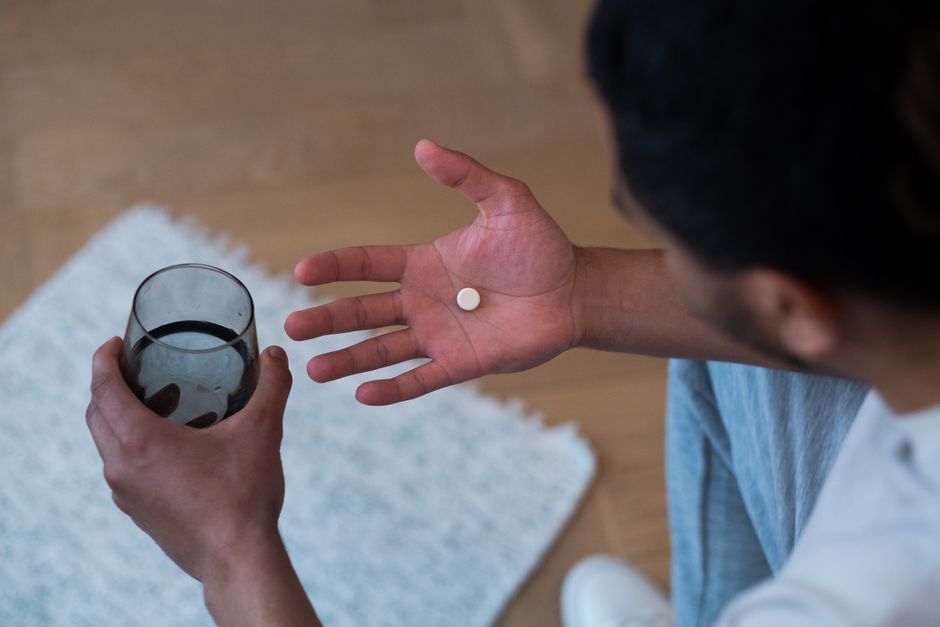
No, you should not take alcohol with ibuprofen. The combination increases your risk of stomach bleeding and kidney damage. Even small amounts of alcohol can raise these risks, especially if you take ibuprofen regularly or at higher doses. This is not a scare tactic — it is what the evidence shows.
Ibuprofen is a nonsteroidal anti-inflammatory drug (NSAID). It works by blocking enzymes that help produce inflammation. The problem is those same enzymes protect your stomach lining and help your kidneys function properly. Alcohol irritates the stomach lining and affects kidney function on its own. Together, they make things worse.
Many people think “a glass of wine with dinner is fine.” For some, it might be. But the research is clear that even moderate drinking while on ibuprofen carries real risk. Let’s look at what the studies actually say.
How Do Ibuprofen and Alcohol Interact in Your Body?
Ibuprofen blocks two enzymes called COX-1 and COX-2. COX-2 helps reduce inflammation, which is why you take the drug. COX-1 helps protect your stomach lining. When you block COX-1, that protective layer weakens. Your stomach becomes more vulnerable to damage from acid and irritants.
Alcohol is a direct stomach irritant. It increases acid production and can inflame the stomach lining on its own. When you combine alcohol with ibuprofen, you get two different forms of irritation hitting the same tissue. The stomach lining takes a double hit.
Your liver also gets involved. Both alcohol and ibuprofen are processed through the liver. When they are present at the same time, the liver has to work harder. This can slow down how fast ibuprofen leaves your system, meaning it stays in your blood longer and extends the time your stomach lining is unprotected.
Research published in the journal Alimentary Pharmacology & Therapeutics found that NSAID users who also drank alcohol had a significantly higher risk of upper gastrointestinal bleeding compared to those who took NSAIDs alone. The risk went up as alcohol intake increased.
What Are the Specific Health Risks of Mixing Ibuprofen and Alcohol?
The main risk is gastrointestinal bleeding. This is not a minor issue — it can be serious enough to require hospitalization. The stomach lining becomes thin and can develop small tears or ulcers. When those bleed, you might not notice right away. Symptoms include black or tarry stools, vomiting blood, and stomach pain that does not go away.
Kidney damage is the second major concern. Ibuprofen reduces blood flow to the kidneys. Alcohol dehydrates you, which also reduces kidney blood flow. Together, they can push your kidneys into a dangerous state. For most healthy people, occasional use is unlikely to cause permanent damage. But if you already have kidney issues, high blood pressure, or are over 65, the risk is much higher.
Liver stress is a third factor. While ibuprofen is not known to cause liver damage on its own at normal doses, alcohol is. Combining them puts extra demand on your liver. If you drink heavily or have liver disease, this combination can accelerate liver damage.
The table below summarizes the main risks:
| Risk Area | Ibuprofen Alone | Alcohol Alone | Ibuprofen + Alcohol |
|---|---|---|---|
| Stomach bleeding | Moderate risk at high doses | Low to moderate risk | Significantly increased risk |
| Kidney damage | Low risk in healthy people | Low risk in moderate use | Moderate to high risk |
| Liver stress | Very low risk | Moderate to high risk with heavy use | Increased stress on liver |
| Stomach ulcer formation | Moderate risk with long-term use | Low risk | High risk |
How Much Alcohol Is Too Much With Ibuprofen?
There is no safe amount of alcohol to combine with ibuprofen. The FDA advises against drinking alcohol while taking any NSAID, including ibuprofen. That includes beer, wine, and liquor. Even one drink can increase your risk of stomach bleeding.
Some people report having one drink with ibuprofen and feeling fine. That does not mean it is safe. Stomach bleeding can happen without any immediate symptoms. You might not know anything is wrong until you see blood in your stool or feel faint from blood loss.
The risk depends on several factors:
- Dose of ibuprofen. Higher doses mean higher risk. Taking 800 mg is riskier than 200 mg.
- Frequency of use. Taking ibuprofen daily for chronic pain is far riskier than taking it once a week for a headache.
- Amount of alcohol. Binge drinking is obviously dangerous. But even moderate drinking — one drink per day for women, two for men — adds real risk.
- Your personal health. People with a history of ulcers, kidney disease, or liver problems are at much higher risk.
- Age. Adults over 65 are more likely to have complications from NSAIDs and alcohol.
The safest choice is to skip alcohol entirely while taking ibuprofen. If you absolutely must drink, keep it to a single serving and take the lowest effective dose of ibuprofen. But “lowest risk” is not the same as “no risk.”





What About Taking Ibuprofen After Drinking the Night Before?
This is a common question. You had a few drinks last night. Now you have a headache and want ibuprofen. Is that safer than taking them together?
Yes, it is safer. But it is not completely risk-free. Alcohol stays in your system longer than you might think. Your liver processes alcohol at a rate of about one standard drink per hour. If you had three drinks, it can take three hours for alcohol to leave your system. And that is after your last drink, not after you started drinking.
If you drank heavily, your stomach lining may still be irritated the next morning. Your liver is still working to clear the alcohol byproducts. Taking ibuprofen at this point adds stress to both systems.
The general advice is to wait until you are fully sober and have eaten a full meal before taking ibuprofen. Food helps buffer the stomach against irritation. And make sure you are hydrated — dehydration from alcohol makes kidney damage more likely.
If your headache is from a hangover, consider acetaminophen (Tylenol) instead. But be careful — acetaminophen combined with alcohol is hard on the liver, especially if you drank heavily. There is no perfect option after heavy drinking. The best choice is to rest, hydrate, and let your body recover naturally.
Can You Take Ibuprofen If You Are a Light Drinker?
Some people have one glass of wine a few nights per week. They do not get drunk. They are not heavy drinkers. Is it safe to take ibuprofen on a day they plan to have that one glass of wine?
The evidence says it is still risky. A study published in Arthritis & Rheumatology looked at NSAID users and found that even low-dose alcohol consumption increased the risk of gastrointestinal complications. The risk was lower than for heavy drinkers, but it was still higher than for non-drinkers.
The problem is that you cannot predict how your body will react. Some people have a naturally more sensitive stomach lining. Others have undiagnosed kidney issues. You might be fine 100 times and have problems on the 101st time.
If you are a light drinker and absolutely need ibuprofen, consider these steps:
- Take ibuprofen with a full meal to reduce stomach irritation.
- Use the lowest effective dose for the shortest time possible.
- Skip alcohol entirely on days you take ibuprofen.
- If you must drink, have your ibuprofen dose at least 4-6 hours before or after your drink.
But honestly, the simplest and safest choice is to not drink on days you need ibuprofen. If you need pain relief often enough that this becomes a problem, you should talk to a doctor about alternative treatments that do not interact with alcohol.
What Are Safer Alternatives to Ibuprofen If You Drink Alcohol?
If you drink alcohol regularly and need pain relief, you have options. The right choice depends on what kind of pain you have and your overall health.
Acetaminophen (Tylenol) is gentler on the stomach than ibuprofen. It does not cause bleeding or kidney issues. But it is hard on the liver. If you drink heavily — more than three drinks per day regularly — acetaminophen can cause liver damage even at normal doses. The FDA recommends no more than 3,000 mg of acetaminophen per day for heavy drinkers, and ideally less.
Topical pain relievers like diclofenac gel (Voltaren) or lidocaine patches work locally. They do not enter your bloodstream in significant amounts. This means they do not interact with alcohol at all. For joint pain, muscle aches, or back pain, these can be very effective.
Non-drug approaches include ice for acute injuries, heat for muscle tension, physical therapy, massage, and acupuncture. These have zero drug interactions. They are worth trying before reaching for a pill.
Other NSAIDs like naproxen (Aleve) are not safer than ibuprofen. They carry the same stomach and kidney risks. Switching to a different NSAID does not solve the problem.
The best choice depends on your specific situation. If you drink moderately and need occasional pain relief, topical treatments are your safest bet. If you need daily pain management, talk to a doctor rather than self-medicating.
Frequently Asked Questions
Can I drink alcohol 4 hours after taking ibuprofen?
It is not recommended. Ibuprofen stays in your system for 4 to 6 hours, and your stomach lining remains vulnerable during that time.
What happens if I accidentally drank alcohol with ibuprofen?
One accidental combination is unlikely to cause serious harm. Drink water, eat food, and watch for stomach pain or dark stools. Call a doctor if symptoms appear.
Is it safe to take ibuprofen the morning after drinking?
Safer than taking them together, but not risk-free. Wait until you are fully sober, eat a meal, and hydrate well before taking ibuprofen.
Does ibuprofen make you more drunk?
No. Ibuprofen does not affect how alcohol is metabolized or how drunk you feel. But it does increase the physical risks of drinking.
