
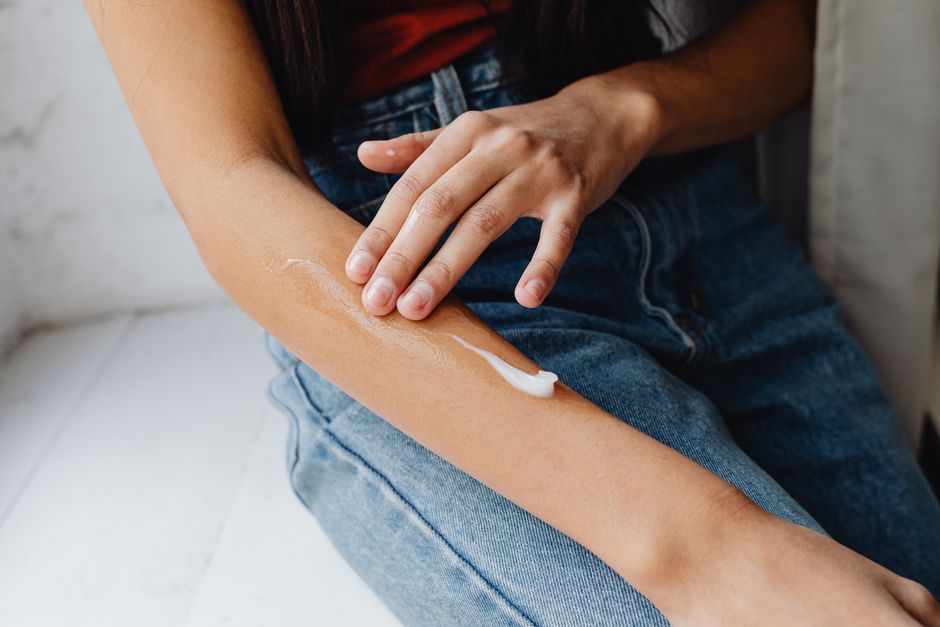
Yes, you can put Vaseline on a burn, but only on certain types of burns and only after the burn has cooled down. Plain petroleum jelly like Vaseline is actually recommended by many doctors for minor burns because it keeps the wound moist, which supports healing. However, you should never put Vaseline on a severe burn, an open blister, or a burn that is still hot. The type of burn you have determines whether Vaseline helps or hurts.
What Kind of Burn Can You Treat With Vaseline?
Vaseline is appropriate for first-degree burns and superficial second-degree burns. A first-degree burn affects only the top layer of skin. It looks red, feels painful, and may be slightly swollen. Sunburns are the most common example.
A superficial second-degree burn goes a little deeper. It typically produces blisters, but the blisters are intact and the skin around them is not charred or leathery. These burns are painful but usually heal within two to three weeks with proper care.
Do not use Vaseline on third-degree burns. These burns damage all layers of skin and sometimes tissue underneath. The skin may look white, brown, black, or leathery. Third-degree burns are often painless because nerve endings are destroyed. These require emergency medical treatment.
Also avoid Vaseline on any burn with an open or broken blister. Once the skin is broken, the risk of infection changes, and a healthcare provider should guide treatment.
Why Moisture Helps Burns Heal
Burns heal best in a moist environment. This is well established in wound care research. When a burn stays moist, skin cells can migrate across the wound more easily. A dry burn forms a hard scab, which slows healing and increases scarring.
Vaseline works by sealing in the skin’s natural moisture. It creates a barrier that keeps water from evaporating out of the damaged tissue. This barrier also protects the burn from dirt and bacteria.
This is why many burn specialists recommend plain petroleum jelly over antibiotic ointments. Antibiotic ointments like Neosporin can cause allergic reactions in some people, and they are not necessary for a clean burn. Plain Vaseline does not contain antibiotics, so it avoids that risk while still providing the moisture barrier.
The key is that Vaseline is an occlusive agent, not a treatment that actively kills bacteria or reduces inflammation. It simply creates the right conditions for your body to repair itself.
How to Apply Vaseline to a Burn Correctly
Timing matters. Do not apply Vaseline to a burn that is still hot. The heat needs to leave the skin first. If you trap heat under petroleum jelly, you can extend the damage to deeper tissue.
Follow these steps for a minor burn:
- Run cool — not cold — water over the burn for 10 to 15 minutes. This stops the burning process.
- Gently pat the area dry with a clean cloth. Do not rub.
- Wait until the skin no longer feels hot to the touch.
- Apply a thin layer of Vaseline to the burn.
- Cover it loosely with a sterile, non-stick gauze pad. Do not wrap tightly.
- Reapply Vaseline and change the dressing once a day, or whenever the dressing becomes wet or dirty.
Wash your hands before touching the burn. If the burn is on your hand or a joint, keep it elevated when possible to reduce swelling.
Some clinicians recommend applying Vaseline for the first few days only, then switching to a plain moisturizing lotion as the burn matures. The evidence for this switch is not strong, but it is a common practice. What matters most is keeping the area moist until it heals.





What Not to Put on a Burn
Several popular home remedies are not just ineffective — they can be harmful. Butter, cooking oil, and toothpaste are common examples. These substances trap heat in the skin and can introduce bacteria into the wound. There is no clinical evidence that any of them help burns heal.
Ice is another problem. Applying ice directly to a burn can cause frostbite on top of the burn injury. The cold constricts blood vessels, which reduces blood flow to the area and can actually make the tissue damage worse. Use cool running water instead.
Avoid popping blisters. An intact blister is a natural sterile bandage. If you break it, you open the wound to infection. Let the blister drain on its own, or have a healthcare provider drain it under sterile conditions.
Do not use alcohol or hydrogen peroxide on a burn. These can damage healthy tissue and slow healing. Mild soap and water are sufficient for cleaning.
When to See a Doctor for a Burn
Some burns need professional medical care, no matter how small they seem. Seek medical attention if any of the following apply:
- The burn is larger than about 3 inches in diameter
- The burn is on your face, hands, feet, genitals, or over a major joint
- The burn looks charred, white, or leathery
- You cannot feel pain in the burn area
- The burn came from electricity, chemicals, or an explosion
- You have diabetes, a weakened immune system, or poor circulation
- Signs of infection develop — increased redness, swelling, pus, or red streaks
- You have not had a tetanus shot in the past 10 years
Burns on the face or joints can cause functional problems even when they are small. Scarring on a finger joint can limit movement. A burn on the face can affect how you blink or eat. These are not situations for home treatment.
If you are uncertain about the severity of a burn, err on the side of caution. A doctor can assess the burn depth and recommend the right dressing. This is especially important for burns in young children and older adults, whose skin is thinner and burns more deeply at lower temperatures.
Does Vaseline Prevent Burn Scarring?
Vaseline does not prevent scarring directly. No topical product can guarantee scar prevention. What Vaseline does is reduce the conditions that make scarring worse.
Scarring is more severe when a wound is slow to heal, becomes infected, or repeatedly reopens. By keeping the burn moist and protected, Vaseline helps the skin heal faster and reduces the chance of complications. A burn that heals cleanly in two weeks is less likely to leave a thick, raised scar than one that takes a month and gets infected.
Once the burn has closed, some evidence suggests that silicone gel sheets or silicone creams can help flatten and soften scars. These are different products with different mechanisms than petroleum jelly. Silicone products are typically started after the wound has fully closed, not during the healing phase.
For most minor burns, consistent moisture with Vaseline during healing is the most practical approach. Sun protection is also important. New scar tissue is sensitive to UV light and can darken permanently if exposed. Keep healed burns covered or use sunscreen on the area for at least a year.
Vaseline vs. Burn Creams and Gels
Over-the-counter burn creams often contain ingredients like lidocaine, benzocaine, or aloe vera. These products serve different purposes than Vaseline.
Lidocaine and benzocaine are topical anesthetics. They numb the burn and reduce pain. They do not significantly improve healing. Some people are allergic to these ingredients, especially benzocaine, which can cause a condition called methemoglobinemia in rare cases. This is a blood disorder that reduces oxygen delivery to tissues.
Aloe vera is anti-inflammatory and soothing. It feels cool on the skin and can reduce discomfort. However, aloe vera gels dry out quickly and may not provide the sustained moisture barrier that petroleum jelly offers.
Silver sulfadiazine cream is a prescription burn treatment. It was once standard for all burns, but current guidance is more selective. Some research has questioned whether it slows healing compared to simple moisture therapy for minor burns. It is still used for deeper burns and burns at risk of infection.
For a minor burn, plain Vaseline is often the simplest and most effective choice. It is inexpensive, widely available, hypoallergenic, and does not contain ingredients that can cause reactions.
Frequently Asked Questions
Can I put Vaseline on a burn with blisters?
Only if the blisters are intact. Apply a thin layer of Vaseline over the unbroken blisters and cover with a loose dressing. Do not use Vaseline on broken blisters or open wounds.
How long should I wait before putting Vaseline on a burn?
Wait until the burn has completely cooled, which usually takes 10 to 15 minutes under cool running water. Applying Vaseline to a hot burn traps heat and can deepen the injury.
Is Vaseline better than antibiotic ointment for burns?
For clean minor burns, Vaseline is often preferred because it avoids the risk of allergic reactions to antibiotic ingredients. Antibiotic ointments are not necessary unless a healthcare provider has identified an infection risk.
Can I put Vaseline on a sunburn?
Yes, after the skin has cooled. Vaseline will lock in moisture and reduce peeling, but it will not stop the pain or inflammation. For pain relief, consider a cool compress or an oral pain reliever like ibuprofen.
