
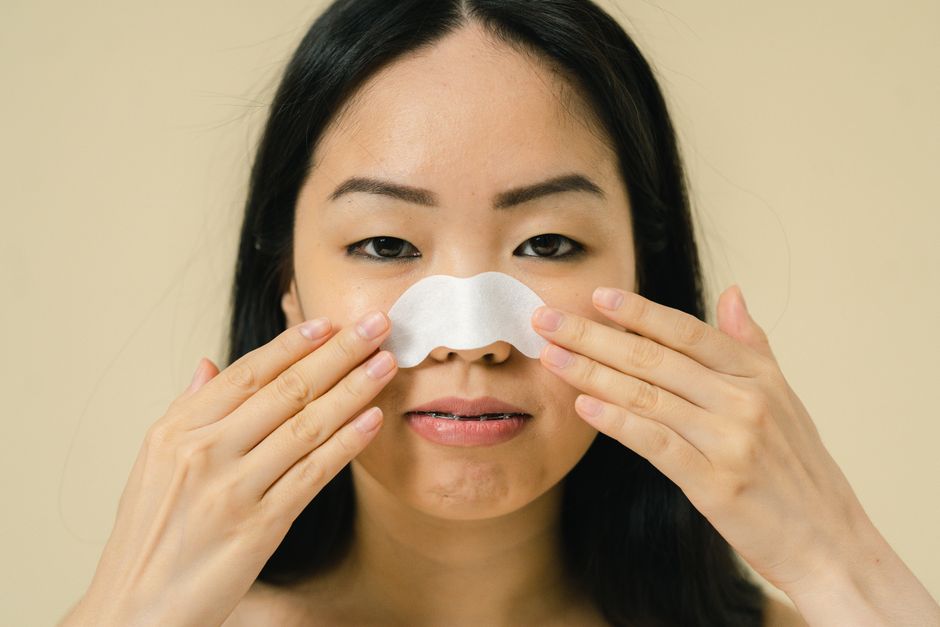
Putting Vaseline inside your nose is a common home remedy for dry nasal passages, but it is not without risks. While it can temporarily soothe dryness, petroleum jelly is not designed for internal use, and breathing in its vapors or particles can lead to a rare but serious lung condition called lipoid pneumonia. Experts generally advise against routine use inside the nostrils, especially for children, and recommend safer, water-based alternatives for daily nasal moisture.
Why Do People Put Vaseline In Their Nose?
Dry nasal passages are uncomfortable. They can cause a burning sensation, crusting, and even nosebleeds, especially in dry climates, during winter months, or after using nasal decongestants. The skin inside your nostrils is delicate and can crack easily, making it sore.
Vaseline, or petroleum jelly, is an occlusive moisturizer. It works by creating a waterproof barrier that locks moisture into the skin. This mechanism works well on the outside of your body, like on chapped lips or dry hands. It seems logical to apply the same logic to a dry nose.
Many people also use it after a nosebleed to keep the area moist and promote healing. Some use it to protect the nasal lining from irritants like dust or cold air. The practice is widespread, but it is a case where common practice and medical advice do not fully align.
What Are The Risks Of Using Vaseline In The Nose?
The primary concern with putting petroleum jelly inside your nose is the risk of lipoid pneumonia. This is a rare condition where oil-based substances enter the lungs and cause inflammation. It happens when tiny droplets of the jelly are inhaled into the airways instead of staying in the nasal passage.
Your nose has small hairs called cilia that normally trap and move particles out. However, thick substances like petroleum jelly can impair this function. If you breathe in deeply, or if the jelly is applied too far back in the nose, small amounts can be aspirated into the lungs.
Over time, the lungs cannot break down petroleum jelly. The body mounts an inflammatory response to the foreign material. This can lead to chronic cough, shortness of breath, and in severe cases, permanent lung damage. While rare, the condition is serious enough that most doctors advise against the practice.
Another risk is contact dermatitis. Some people develop an allergic reaction or skin irritation to the ingredients in petroleum jelly, though this is less common. The thick consistency can also trap bacteria and debris inside the nose, potentially increasing the risk of infection.
There is also a practical concern. Vaseline is greasy and difficult to remove. It can drip down the back of the throat, causing an unpleasant sensation or a mild cough. This is a sign that the product is not staying where you put it.
Is It Safe For Children And Babies?
Using Vaseline in a child’s nose carries higher risk than in adults. Children have narrower airways and may not be able to clear oil-based substances as effectively. Their breathing patterns can also increase the chance of inhaling the jelly into the lungs.
Infants, in particular, are obligate nose breathers. They rely almost entirely on nasal breathing for the first few months of life. Anything that interferes with nasal function, or that could be aspirated, is a greater concern in this age group.
Most pediatricians recommend against putting petroleum jelly inside a child’s nose. For babies with nasal congestion or dryness, a few drops of sterile saline solution are the standard, safer choice. Saline is water-based, gentle, and does not carry the same aspiration risk.
If you are considering any home remedy for a child’s nose, it is best to check with a pediatrician first. What works for an adult may not be appropriate for a child’s developing respiratory system.





What Do Doctors Recommend Instead?
For dry nasal passages, water-based products are the safer choice. They moisturize the tissue without leaving an oil residue that can be inhaled. Saline nasal sprays or gels are widely available and are the first-line recommendation for nasal dryness.
Saline sprays work by adding moisture directly to the nasal lining. They are safe to use multiple times a day and do not carry the risk of lipoid pneumonia. They are also effective at loosening thick mucus and clearing the nasal passages.
For persistent dryness, a humidifier in your bedroom can help. Dry indoor air, especially during winter, is a common cause of nasal irritation. Adding moisture to the air you breathe addresses the root cause rather than just coating the inside of the nose.
Staying hydrated also helps. Your nasal passages are lined with mucous membranes that need adequate fluid to stay moist. Drinking enough water throughout the day supports normal mucus production.
Some doctors recommend a small amount of plain, unmedicated ointment applied just inside the rim of the nostril, not deep inside. This is a compromise position. It can help with a cracked, sore nostril opening without coating the deeper nasal passages where aspiration is more likely.
If you use this approach, apply a very thin layer with a cotton swab and only at the very edge of the nostril. Do not push the swab deep into the nose. This minimizes the risk while still providing some relief for the most sensitive area.
When Should You See A Doctor?
Occasional nasal dryness is normal and manageable. But persistent symptoms may point to an underlying issue that needs medical attention. If your nose remains dry, painful, or crusted despite using saline products, it is worth a check-up.
Recurrent nosebleeds are another reason to see a doctor. While occasional nosebleeds are common, frequent ones can indicate a problem with the blood vessels in the nose or an underlying condition. A doctor can examine your nasal passages and determine the cause.
If you have been using Vaseline in your nose and develop a persistent cough, shortness of breath, or a feeling of congestion in your chest, seek medical advice. These symptoms could indicate that some of the product has entered your lungs. Mention your use of petroleum jelly to the doctor so they can consider this possibility.
People with weakened immune systems, chronic lung conditions like asthma or COPD, or those who are bedridden should be especially cautious. They are at higher risk for complications from aspiration and should avoid putting oil-based products in their nose.
Can You Put Vaseline In Your Nose As A Daily Habit?
Using Vaseline in your nose every day is not recommended. The risks, while rare, are serious enough that routine daily use is not worth it. The potential for lipoid pneumonia, even if small, increases with repeated exposure over time.
Daily nasal dryness is a signal that something in your environment or routine needs to change. Relying on a petroleum-based product to mask the symptom does not address the underlying cause. It is better to identify why your nose is dry and fix that.
Consider your environment. Is the air in your home or office very dry? Are you taking medications that dry out your nasal passages, such as antihistamines or decongestants? Are you dehydrated? These are common, fixable causes of nasal dryness.
If you have tried saline sprays, humidifiers, and increased water intake and your nose is still painfully dry, talk to a doctor. They can evaluate for less common causes and recommend a treatment plan that is safe for long-term use.
Frequently Asked Questions
Can Vaseline in the nose cause lung damage?
Yes, it can. Inhaling petroleum jelly particles into the lungs can cause lipoid pneumonia, a rare inflammatory condition that may lead to chronic cough and permanent lung damage.
Is it safe to put Vaseline in your nose for a nosebleed?
Most doctors advise against it. A water-based saline gel or spray is safer for keeping the nasal lining moist after a nosebleed without the risk of aspiration.
What is the best substitute for Vaseline in the nose?
Saline nasal sprays or gels are the safest and most effective substitutes. They are water-based, gentle on the nasal lining, and do not carry the risk of lipoid pneumonia.
Can you put Vaseline on the outside of your nose?
Yes, applying a thin layer to the skin on the outside of the nostrils is safe. This can help with chapped or cracked skin around the nose, but it should not be applied inside the nasal passages.
