
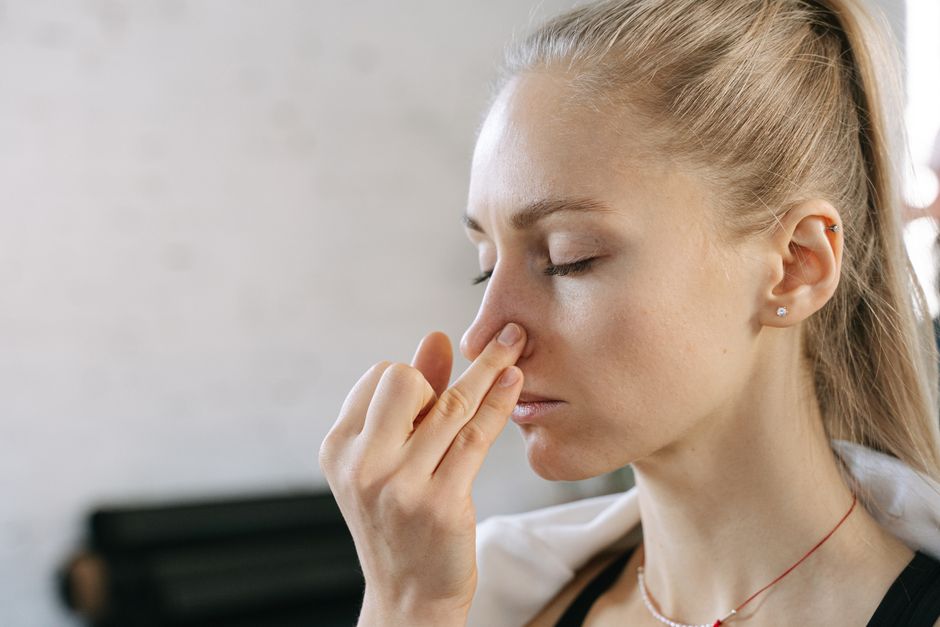
A nosebleed can be startling, but it is rarely a sign of something serious. Most nosebleeds happen when the tiny blood vessels inside the nostrils break open. The medical name for a nosebleed is epistaxis, and it affects nearly everyone at some point in life. The most common causes are dry air, nose picking, and minor trauma to the face. Understanding why the bleeding starts is the first step to stopping it and preventing it from happening again.
What’s the Cause of Nose Bleeding?
The inside of your nose is lined with a dense network of delicate blood vessels. These vessels sit very close to the surface of the nasal lining, called the mucosa. Because they are so fragile, any irritation or injury can make them burst. The front part of the nose, known as the Little’s area, has an especially high concentration of these vessels. That is why most nosebleeds start in the front of the nose rather than deeper inside.
Dry air is the single most common trigger. When the air is dry, the nasal lining dries out and becomes crusty. Those crusts crack when you breathe, sneeze, or touch your nose. Once the lining cracks, the exposed vessels bleed easily. This is why nosebleeds are more frequent in winter, when indoor heating removes moisture from the air, and in dry desert climates.
Physical irritation is the second most common cause. Picking the nose, blowing it forcefully, or inserting objects into the nostrils can scrape the lining. In children, nose picking is the leading cause of nosebleeds. In adults, forceful blowing during a cold or allergy flare can do the same damage.
Are Some Nosebleeds More Serious Than Others?
Yes. There are two main types of nosebleeds, and they differ in where the bleeding comes from and how serious it is.
Anterior nosebleeds start in the front of the nose. They are the most common type, especially in children and younger adults. The blood flows forward and drips out of the nostrils. These are almost always easy to stop with pressure and do not require medical care.
Posterior nosebleeds start deeper in the nasal cavity, near the back of the throat. These are less common but far more serious. Blood flows backward down the throat, which can cause coughing or spitting up blood. Posterior nosebleeds are more frequent in older adults and in people with high blood pressure or blood-thinning medications. They often require medical treatment to stop.
If blood runs down the back of your throat rather than out your nose, treat it as a more serious event. You should seek medical attention for a posterior nosebleed, especially if it does not stop quickly.
What Medical Conditions Can Cause Nosebleeds?
Several underlying conditions can make nosebleeds more likely or more frequent. These are less common than dry air or trauma, but they matter.
High blood pressure does not directly cause a nosebleed, but it can make bleeding harder to stop. The higher pressure in the vessels means that when one breaks, it bleeds more heavily and takes longer to clot. Some research suggests that people who seek emergency care for nosebleeds often have elevated blood pressure at the time.
Blood-thinning medications are a major factor. Aspirin, warfarin, clopidogrel, and newer anticoagulants like apixaban or rivaroxaban all interfere with clotting. People on these medications may experience nosebleeds that last longer and are harder to control. The same applies to over-the-counter supplements like fish oil, vitamin E, and ginkgo biloba, which can have mild blood-thinning effects.
Bleeding disorders such as hemophilia or von Willebrand disease prevent the blood from clotting normally. These are genetic conditions, and people with them usually know they have a clotting problem before nosebleeds become an issue.
Nasal tumors are a rare cause of nosebleeds. Both benign growths and cancerous tumors can bleed. This is not a common cause, but persistent nosebleeds on one side only, especially with facial pain or a feeling of blockage, should be evaluated by a doctor.




How Should You Stop a Nosebleed?
The correct first aid for a nosebleed is simple, but many people do it wrong. The most common mistake is tilting the head back. That causes blood to run down the throat, which can lead to nausea, coughing, or inhaling blood into the lungs.
The correct method is to lean forward slightly and pinch the soft part of the nose, just below the bony bridge. Use your thumb and index finger to press the nostrils together firmly. Keep pinching for a full 10 minutes without checking to see if the bleeding has stopped. Checking early breaks up the clot that is forming and restarts the bleeding.
Breathe through your mouth while you hold the pressure. You can apply an ice pack to the bridge of the nose or the cheek. The cold narrows blood vessels and can slow the flow, though the main action that stops the bleed is direct pressure.
After 10 minutes, release the pressure slowly. If bleeding continues, repeat the process for another 10 minutes. If it still has not stopped after 20 minutes of total pressure, seek medical care.
When Should You See a Doctor for a Nosebleed?
Most nosebleeds stop on their own or with simple pressure. Some situations require medical attention. You should see a doctor if the bleeding lasts longer than 20 minutes despite proper pressure, if the bleeding is heavy and you feel dizzy or lightheaded, or if you are on blood-thinning medication and cannot stop the bleeding.
You should also seek care if you are coughing up blood or if the blood is flowing down your throat rather than out your nose. This suggests a posterior nosebleed, which is harder to treat at home. Frequent nosebleeds that happen several times a week also deserve a medical evaluation. A doctor can check for underlying causes and may offer treatments like nasal cautery, which seals off the bleeding vessel.
For anyone on anticoagulant medication, a nosebleed that will not stop is a reason to contact a healthcare provider promptly. The medication prevents clotting, so home pressure may not be enough.
How Can You Prevent Nosebleeds?
Prevention focuses on keeping the nasal lining moist and protecting the fragile vessels. If dry air is your trigger, increasing humidity in your home is the most effective step. A cool-mist humidifier in your bedroom, especially during winter, keeps the air from drying out your nasal passages.
Applying a thin layer of petroleum jelly or a saline nasal gel to the inside of the nostrils helps keep the lining moist. Do this once or twice a day, particularly before bed. Saline nasal sprays are another option. They rinse the nose and add moisture without medication.
Avoid picking your nose, and keep your fingernails trimmed short. If you need to blow your nose, do it gently. Blow one nostril at a time with soft pressure rather than forcefully clearing both sides at once.
Stay hydrated. Dehydration dries out all mucous membranes, including the nasal lining. Drinking enough water throughout the day helps maintain moisture in the nose.
If you have allergies, treating them can reduce the urge to sneeze and blow your nose repeatedly. An antihistamine or nasal steroid spray, used as directed, can reduce inflammation and irritation. This is especially helpful during allergy season.
What Should You Not Do During a Nosebleed?
A few common practices make nosebleeds worse. Tilt your head back and blood flows down your throat. This can cause you to swallow blood, which irritates the stomach and may cause vomiting. It can also give you a false sense that the bleeding has stopped when it has actually moved elsewhere.
Do not stuff cotton, tissue, or gauze into the nostril. These materials stick to the clot when you remove them and can restart the bleeding. If packing is needed, a doctor should place it properly. Do not blow your nose after a nosebleed stops. Blowing dislodges the clot and can cause the bleeding to start again. Wait at least a few hours before blowing, and do it gently.
Avoid hot drinks and alcohol for 24 hours after a nosebleed. Heat dilates blood vessels, and alcohol thins the blood. Both increase the chance of rebleeding.
Are Nosebleeds Ever an Emergency?
Most nosebleeds are not emergencies, but some are. Heavy bleeding that soaks through a cloth within minutes, bleeding accompanied by chest pain or shortness of breath, or bleeding that follows a significant facial injury all warrant immediate medical attention.
If you are losing enough blood to feel faint, confused, or extremely weak, call for emergency help. The amount of blood from a nosebleed can look dramatic because the nose has a rich blood supply, but the actual volume lost is usually small. However, posterior nosebleeds can involve significant blood loss, especially in older adults or people with clotting problems.
People who take blood thinners should have a lower threshold for seeking help. Because their blood cannot clot normally, what looks like a minor bleed can become serious quickly.
Frequently Asked Questions
Why do I get nosebleeds every day?
Daily nosebleeds usually mean the nasal lining is chronically dry or irritated. Recurrent bleeding that happens every day for more than a week deserves a medical check to rule out an underlying cause.
Can stress cause nosebleeds?
Stress does not directly cause nosebleeds, but it can raise blood pressure, which may make bleeding harder to stop. Stress can also lead to habits like nose rubbing or picking that trigger bleeding.
Is it safe to sleep after a nosebleed?
Yes, but keep your head elevated on extra pillows for the first night. This reduces pressure in the nasal vessels and helps prevent rebleeding while you sleep.
Do nosebleeds mean I have a brain bleed?
No. A nosebleed is bleeding from the nasal lining, not the brain. The blood vessels in the nose are separate from those inside the skull, and a nosebleed does not indicate a brain hemorrhage.
