
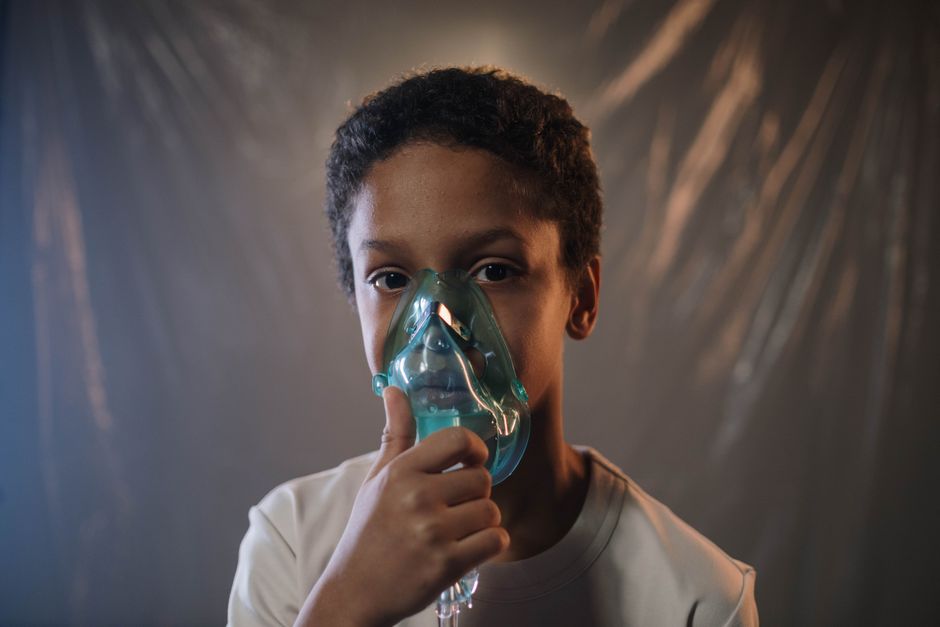
Asthma can go quiet for years, and sometimes it never comes back. But “growing out of it” is not quite the right way to think about it. For many children, asthma symptoms become much less frequent or disappear entirely by the teenage years. For others, the condition fades and then returns later in life. The airways stay sensitive even when you feel completely fine.
Doctors call this remission rather than a cure. Understanding the difference matters, because it changes how you manage your health long-term. This guide explains what the evidence actually shows about asthma over a lifetime.
Can You Grow Out Of Asthma?
Some people do stop having asthma symptoms, especially if their asthma started in childhood. Research consistently shows that a meaningful share of children with asthma see their symptoms improve or disappear by adolescence. But the word “outgrow” suggests the condition is gone for good, and that is not always true.
The airways in a person with asthma are chronically inflamed and overly sensitive to triggers. That underlying sensitivity can remain even when symptoms stop. Many adults who had childhood asthma and felt fine for decades find that symptoms return later, often triggered by allergies, respiratory infections, exercise, or environmental exposures.
So the honest answer is: symptoms can go into long-term remission, but the tendency toward airway sensitivity often stays. Some people truly never have another episode. Others do. There is no reliable test that tells you which group you are in.
What Does Remission Actually Mean For Asthma?
Remission means you have no symptoms and need no medication for a sustained period, but the underlying condition has not necessarily disappeared. This is different from a cure, where the disease process is gone entirely.
For asthma, remission is usually defined by the absence of symptoms and the absence of flare-ups over a period of time, without the need for daily controller medication. Some people in remission still have mildly reactive airways that show up on breathing tests even when they feel perfectly well.
This matters for practical reasons:
- You may still react to a strong trigger like smoke, cold air, or a severe respiratory infection.
- New allergies can develop and reactivate symptoms.
- Lung function can decline silently if inflammation returns without obvious symptoms.
Remission is good news. It is just not the same as being cured. Doctors generally recommend staying aware of your history rather than assuming the chapter is permanently closed.
What Makes Asthma More Likely To Go Away?
Certain factors are linked to a higher chance of symptoms fading. These are patterns seen across populations, not guarantees for any one person.
Children with mild asthma tend to have better long-term outcomes than those with severe asthma. Those whose symptoms are triggered mainly by viral infections, rather than by ongoing allergies, also often improve as they get older. Lung function that is normal or near-normal between episodes is another favorable sign.
On the other side, several factors are associated with asthma that persists:
- Moderate to severe asthma in childhood
- Allergic asthma, especially with eczema or hay fever
- A family history of asthma or allergies
- Early and frequent wheezing episodes
- Exposure to tobacco smoke or ongoing air pollution
- Obesity
These are associations, not destiny. Plenty of people with several risk factors see their asthma improve, and plenty with few risk factors continue to have symptoms.





Why Does Asthma Come Back After Years?
Asthma that returns after a long quiet period is common and often catches people off guard. The airway inflammation never fully resolved, and a new trigger tips it back into active disease.
Common triggers for a return of symptoms include:
- New or worsening allergies, including to pets, pollen, or dust mites
- Respiratory infections such as colds, flu, or COVID-19
- Smoking or exposure to secondhand smoke
- Moving to a new environment with different air quality
- Pregnancy, which can change breathing and immune function
- Occupational exposures like dust, fumes, or chemicals
Some people notice symptoms return gradually. Others have a sudden flare after a bad chest infection. Either way, a return of symptoms is not a failure on your part. It is the nature of a condition that stays in the background.
How Is Asthma Treated At Different Ages?
Treatment depends on how often symptoms occur and how severe they are, not on whether you “still have” asthma. This is a key point that surprises many people.
The two main categories of medication are:
- Relievers (short-acting bronchodilators) that open the airways quickly during symptoms.
- Controllers (inhaled corticosteroids and other anti-inflammatory drugs) that reduce the underlying inflammation over time.
Doctors adjust treatment based on symptom frequency, nighttime waking, use of reliever medication, and lung function tests. If asthma is well controlled for a sustained period, a doctor may step treatment down. That decision should be made with a clinician, not on your own.
Stopping controller medication abruptly when you feel fine is a common mistake. It can lead to a flare weeks or months later. If you want to reduce medication, talk to your doctor about a planned step-down.
Can Adults Develop Asthma For The First Time?
Yes. Adult-onset asthma is well documented and is different in some ways from childhood asthma. It is often less likely to go into remission and more likely to be persistent.
Adults with new asthma may not wheeze at all. They may mainly experience coughing, chest tightness, or shortness of breath, especially with exercise or at night. This can delay diagnosis because it does not match the classic picture people expect.
Adult-onset asthma is often associated with allergies, occupational exposures, or irritants. It can also occur without any clear trigger. When it appears in adulthood, it tends to require ongoing management rather than fading on its own.
What Should You Do If You Had Childhood Asthma?
If you had asthma as a child and have felt fine for years, you do not need to live in fear of it returning. But a few sensible habits are worth keeping.
Pay attention to your breathing during exercise, in cold air, or around strong smells. If you notice coughing, wheezing, or chest tightness that persists, mention your asthma history to a doctor. Symptoms that seem mild can still reflect active airway inflammation.
If you have allergies, keeping them managed can reduce the chance of asthma symptoms returning. Avoiding tobacco smoke and limiting exposure to known irritants also helps.
If you are prescribed a reliever inhaler for occasional use, keep it accessible. Many people who had childhood asthma keep one on hand for years, and that is reasonable. Discuss with your doctor whether you still need it and how often you should check in.
One thing worth knowing: lung function can decline slowly over decades in people with a history of asthma, even without obvious symptoms. Regular check-ins with a clinician, especially if you notice any change, are a reasonable precaution. This is not a reason to worry constantly. It is a reason to stay attentive.
Frequently Asked Questions
Can asthma go away permanently?
For some people, symptoms never return, but doctors generally describe this as long-term remission rather than a permanent cure. The underlying airway sensitivity can persist even without symptoms.
At what age do most children outgrow asthma?
Symptoms most often improve or disappear during the teenage years, though the timing varies widely. Some children improve earlier, and some continue to have symptoms into adulthood.
Can asthma come back after 20 years?
Yes, it can return after decades of no symptoms. New allergies, respiratory infections, or environmental exposures are common reasons symptoms reappear.
Does childhood asthma affect you as an adult?
It can. Even people who feel completely well may have mildly reactive airways, and some experience a return of symptoms later in life.
